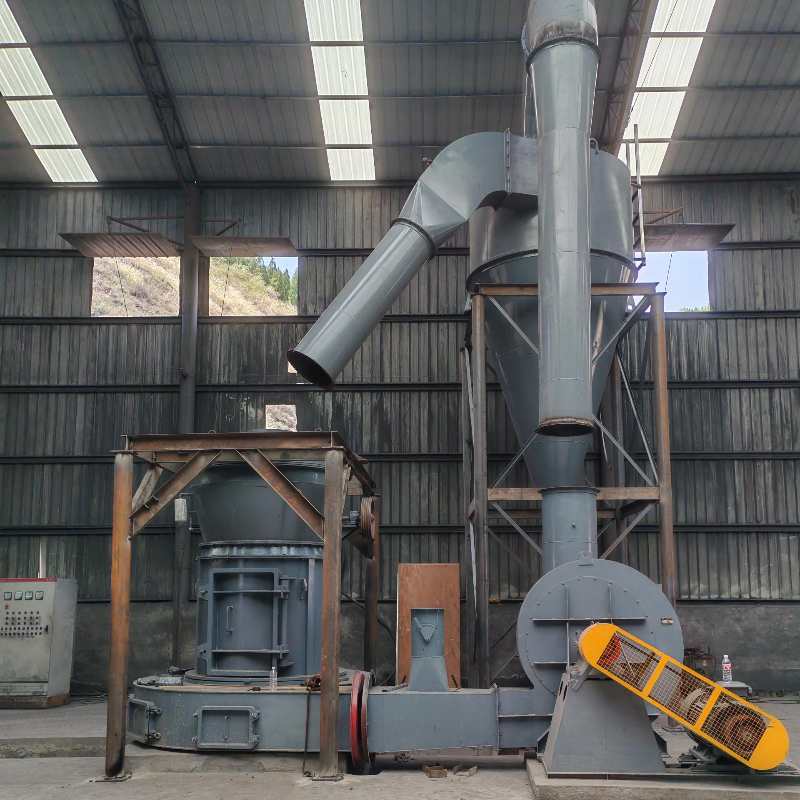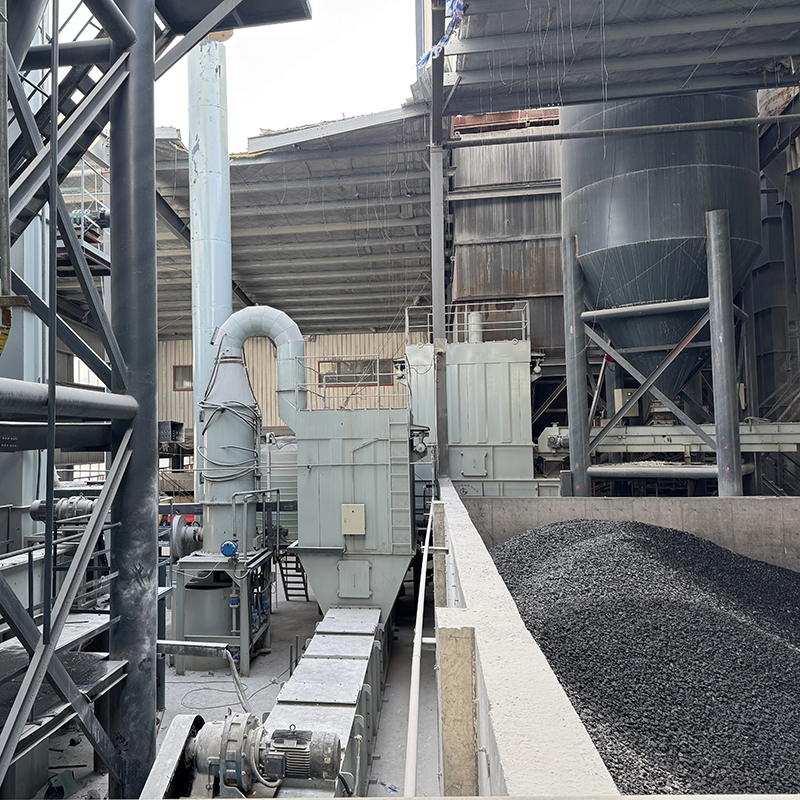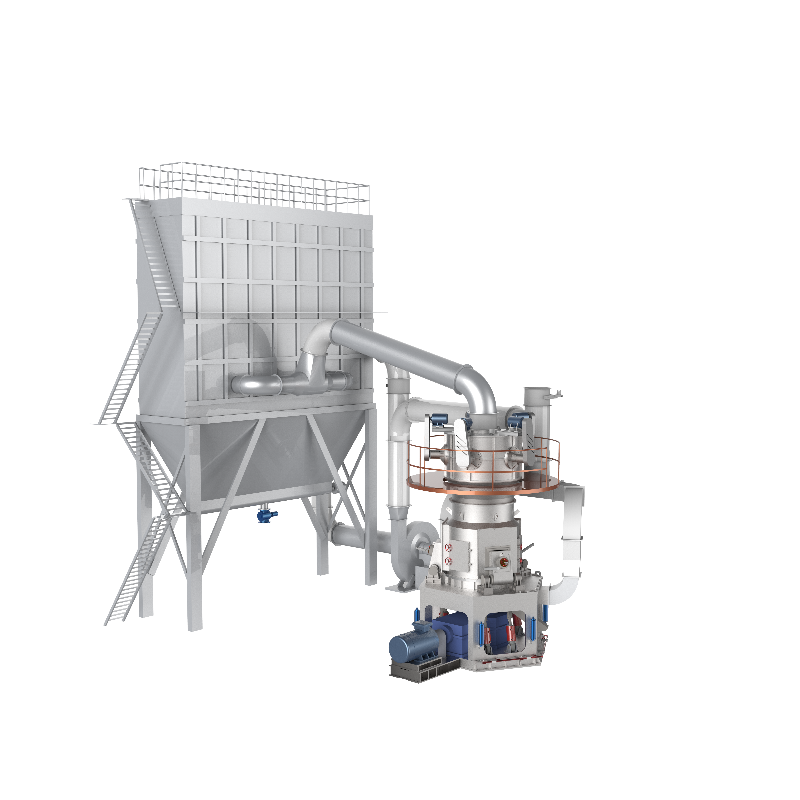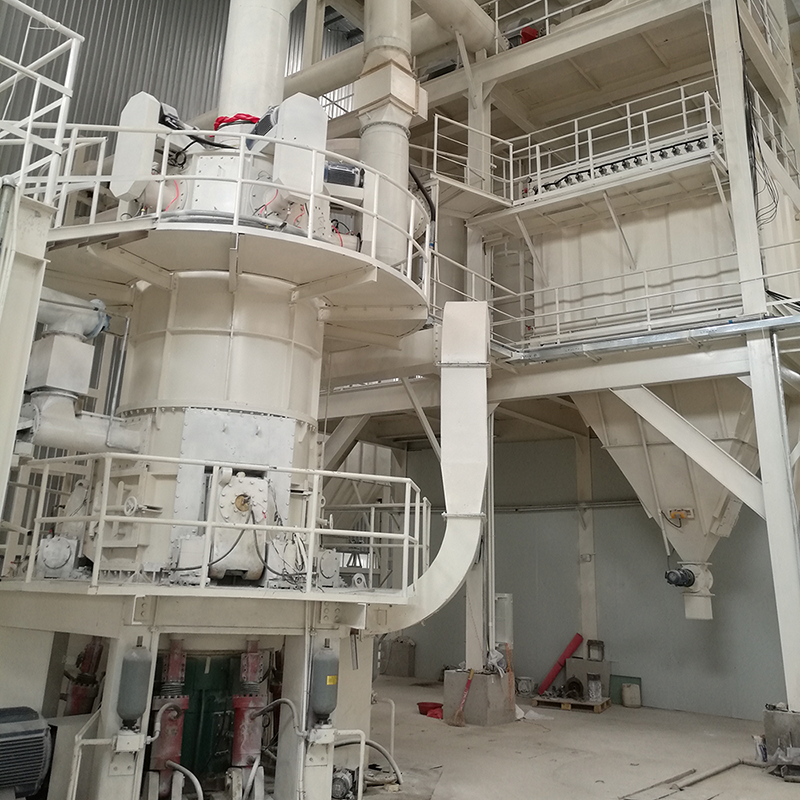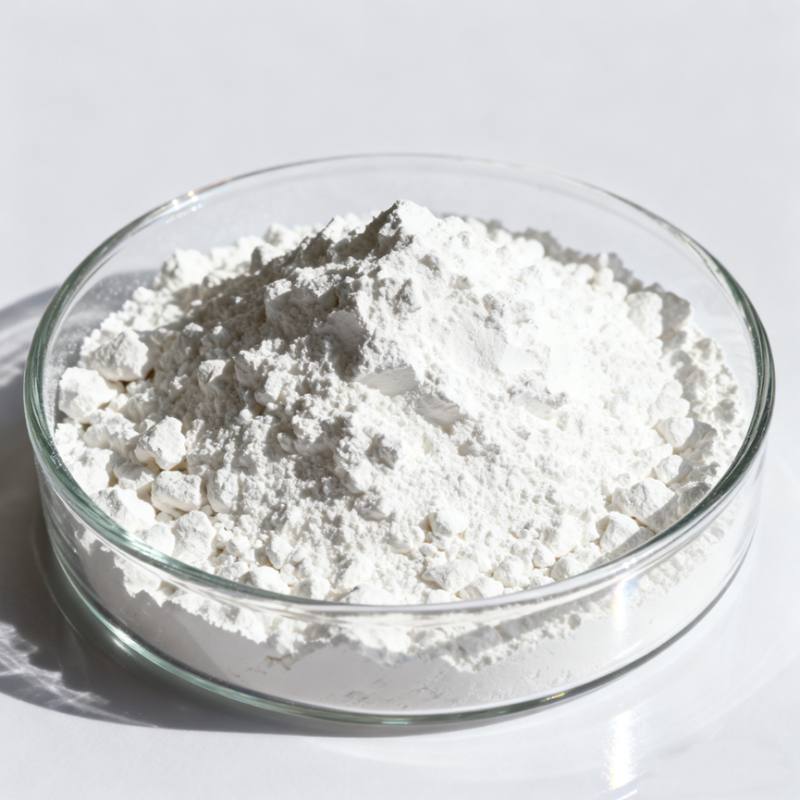
In modern industry, ultrafine calcium carbonate (GCC) has become an indispensable filler in the plastics, paper, coatings, and rubber industries. With increasingly stringent market requirements for powder fineness and purity, choosing the right grinding equipment has become a core competitive advantage for enterprises.
As an expert in grinding equipment, Shanghai Cronus will provide an in-depth analysis: Why is the upgraded Raymond mill the ideal choice for processing ultrafine calcium carbonate?
Why Choose a Raymond Mill for Processing Ultrafine Calcium Carbonate?
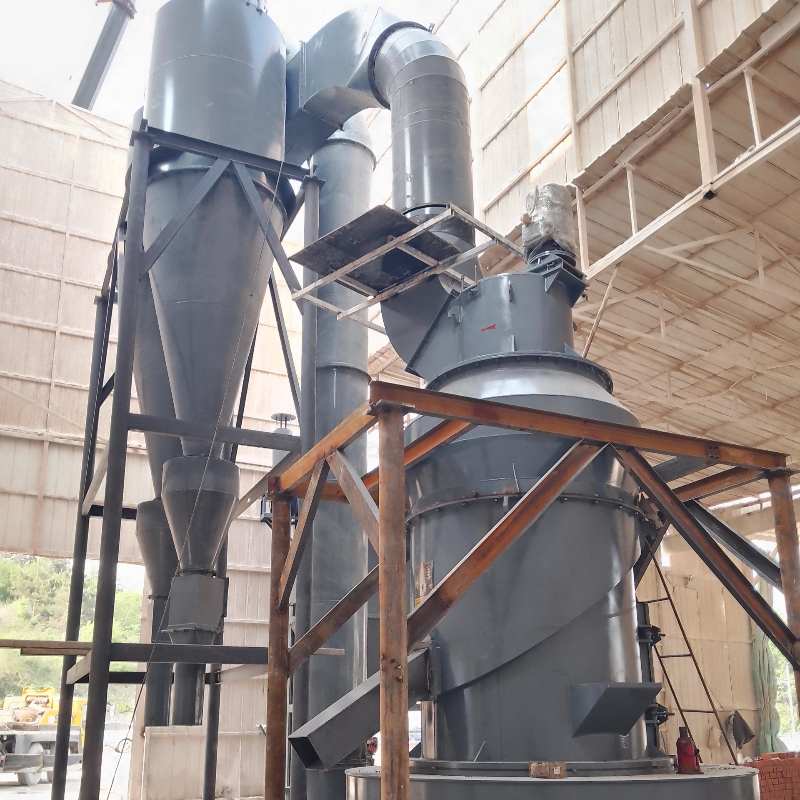
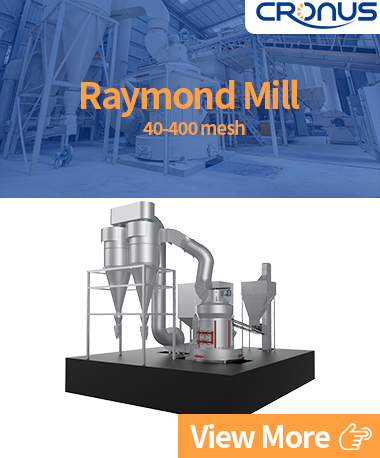
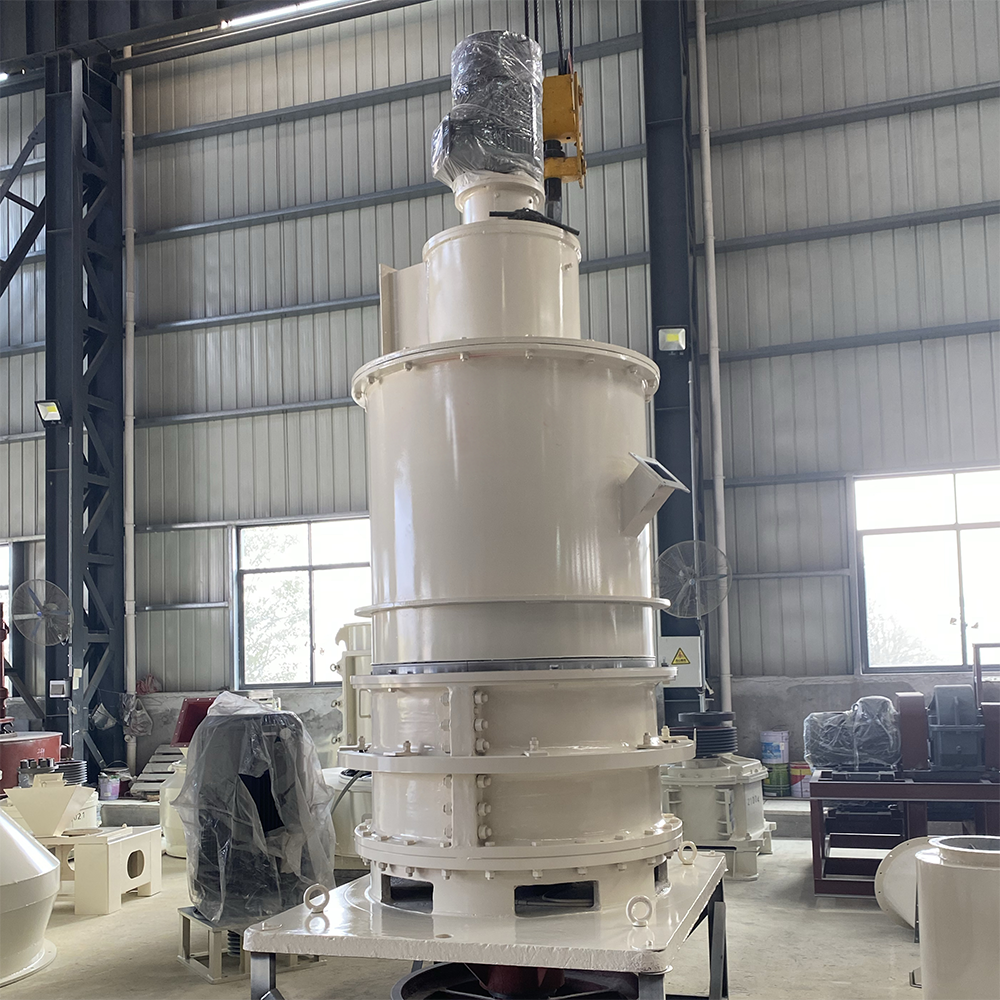
Traditional Raymond mills are generally considered to be able to process powders of 200-400 mesh. However, the new generation of ultrafine Raymond mills, improved by SH Cronus technology, can now stably produce ultrafine powders of 600-1500 mesh.
A Cost-Effective Investment Choice
Compared to vertical mills or ball mills, Raymond mills have lower initial investment costs and a smaller footprint, making them ideal for small and medium-sized calcium carbonate processing plants to quickly start production.
Uniform Particle Size Distribution in Finished Product
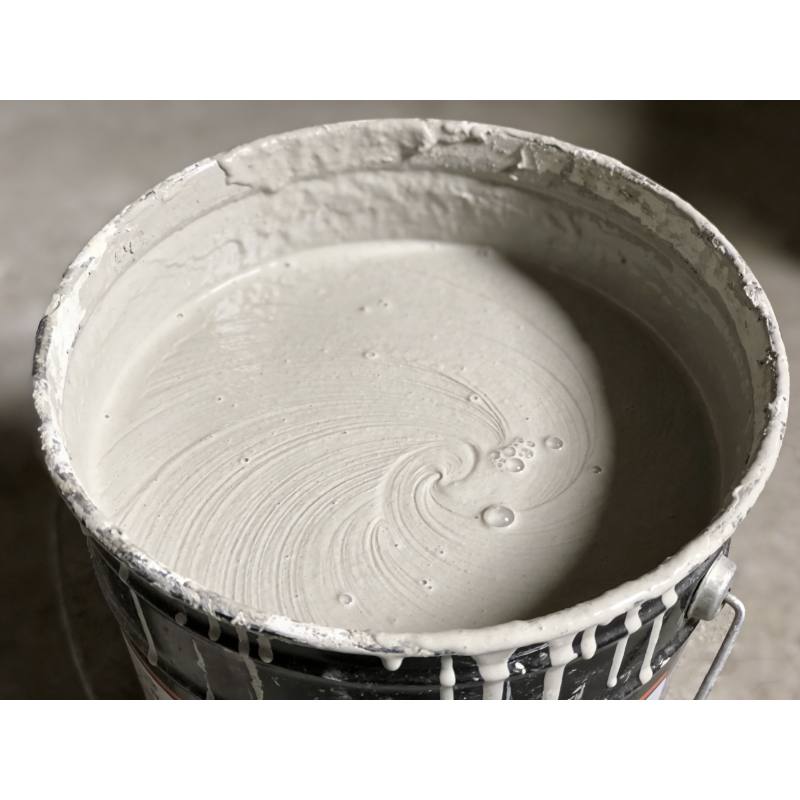
By using a high-precision multi-head classifier, the Raymond mill can precisely control the output particle size. The produced ultrafine calcium carbonate has excellent flowability and dispersibility, perfectly replacing some expensive imported fillers.
High System Integration
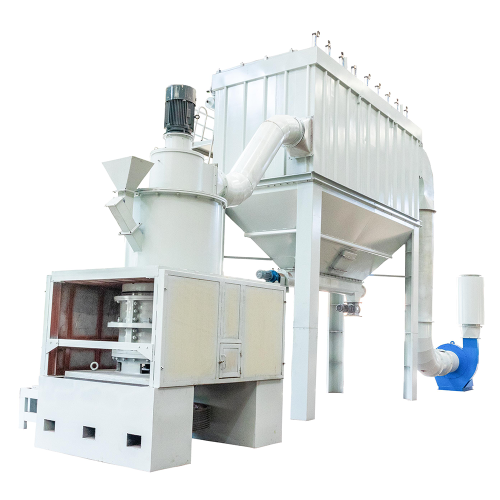
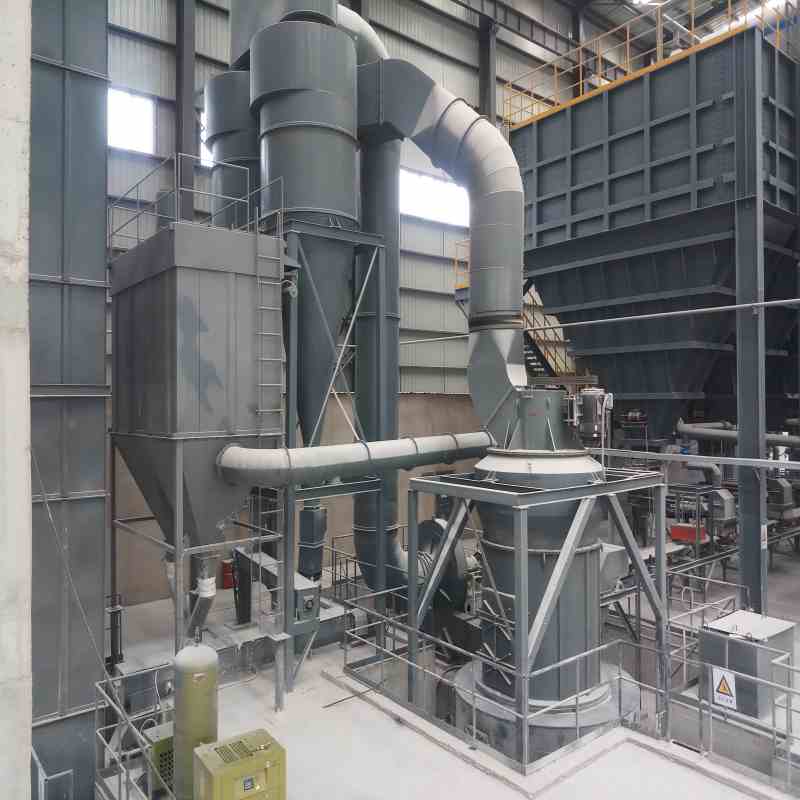
The Raymond mill is a complete system integrating crushing, drying, grinding, classification, and conveying. This closed-loop system effectively reduces dust leakage, meeting current stringent environmental standards.
Ultrafine Calcium Carbonate Processing Flow
Processing high-quality ultrafine calcium carbonate requires not only a good main unit but also a scientific process flow:
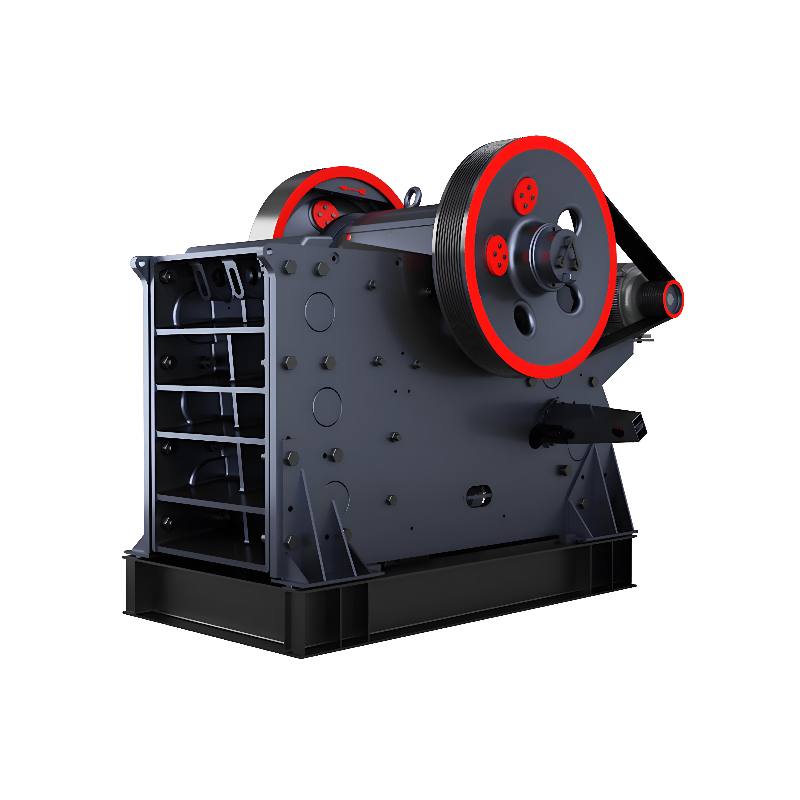
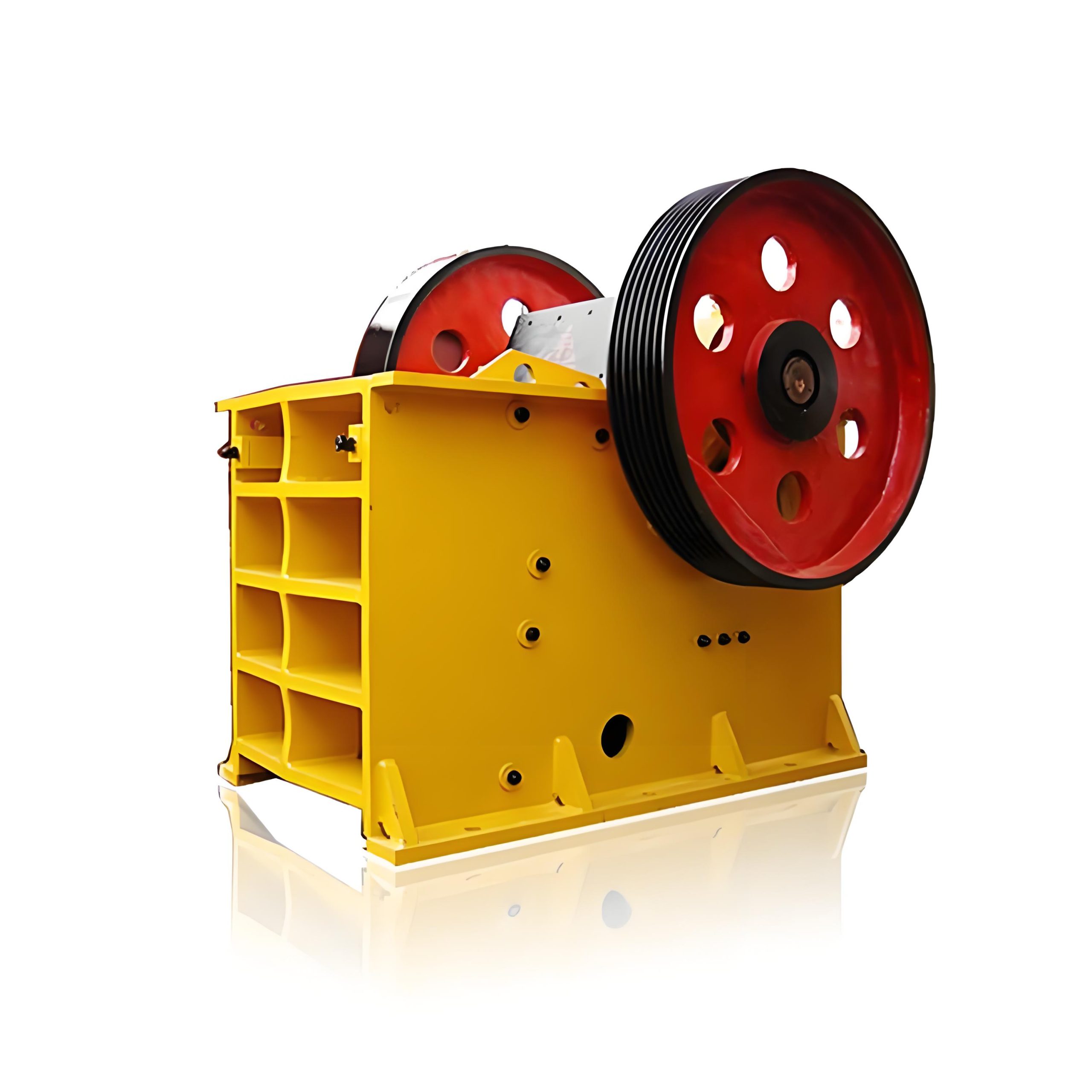
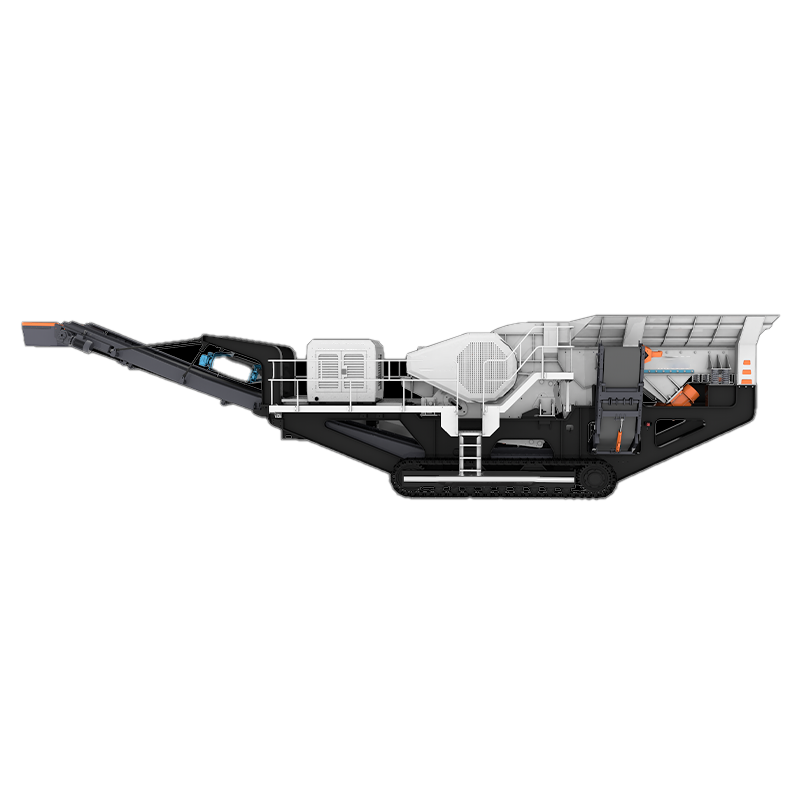
Crushing Stage: Large calcite or marble pieces are processed to 20-30mm using a raw ore crusher.
Grinding Stage: The material is evenly fed into the Raymond mill main unit by a feeder, and the grinding rollers are pressed tightly against the grinding ring under centrifugal force.
Classification Stage: The ground powder enters the classifier with the airflow. This is the key step determining the fineness: unqualified coarse powder falls back for regrinding, while qualified fine powder enters the powder collector.
Finished Product Collection: Finished products are collected via a pulse dust collector, and the purified air is discharged in compliance with standards.
Professional Tips to Improve Processing Efficiency
If you want to achieve higher yields of ultrafine powder in your production, please pay attention to the following parameters:
Feed Moisture Control: The moisture content of the calcium carbonate ore should be controlled below 1%. Excessive moisture will cause "grinding," severely reducing classification efficiency.
Grinding Roller and Grinding Ring Material: It is recommended to use high-chromium cast iron or special alloy materials to extend the life of wearing parts and reduce the impact of metallic impurities on the whiteness of calcium carbonate.
Airflow and Speed Matching: For different mesh size requirements, the classifier speed and frequency converter parameters need to be precisely adjusted.
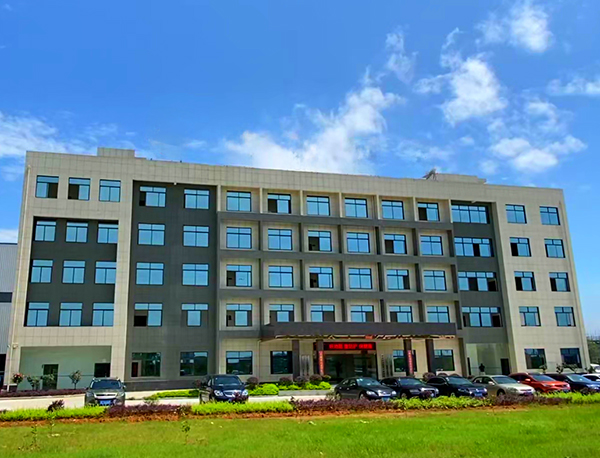
About Shanghai Cronus
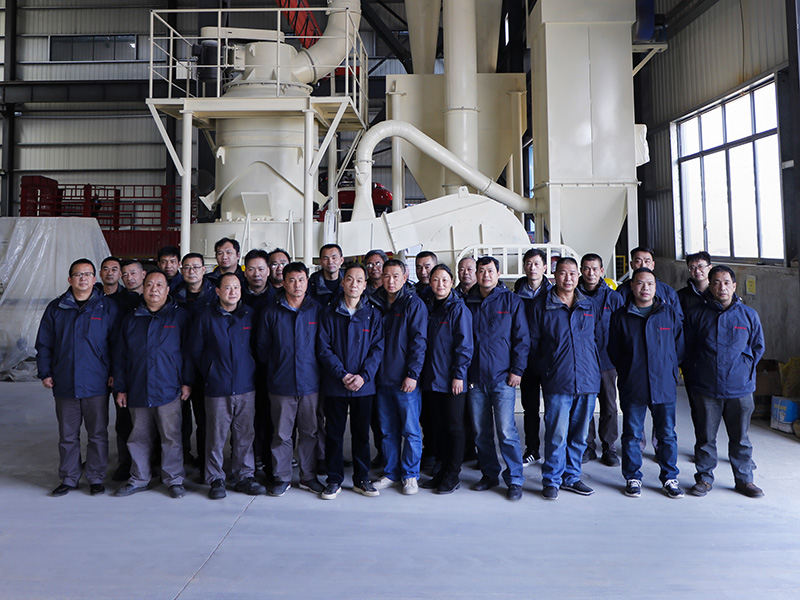
Cronus focuses on the research and development and manufacturing of ultrafine powder equipment. Our Raymond mill series can process not only calcium carbonate but is also widely used in non-metallic minerals such as talc, gypsum, and barite.
Why Choose Us?
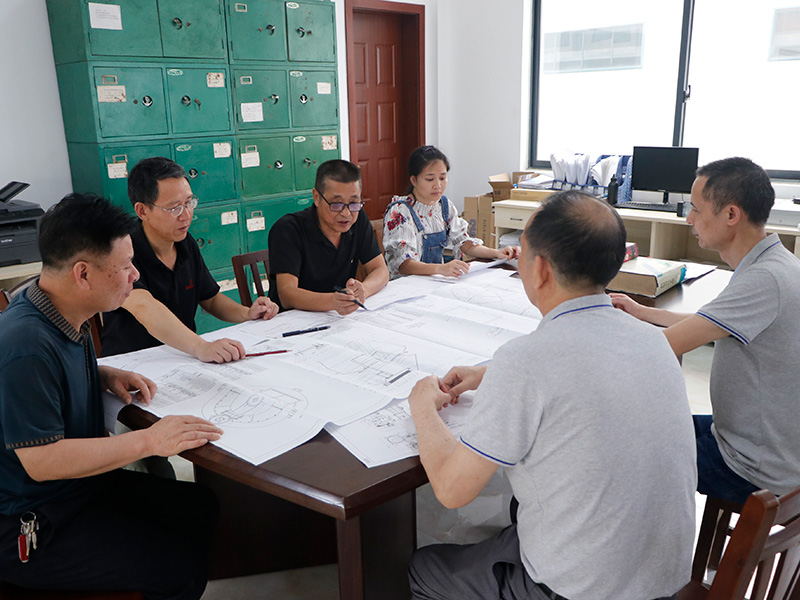
Customized Solutions: We offer complete production line designs ranging from 80 mesh to 3000 mesh, tailored to your ore hardness and production needs.
Global Service: Our equipment has been exported to over 100 countries worldwide, and we have mature after-sales technical support.
Want the latest ultrafine calcium carbonate processing solutions and quotes?
Click the link below or consult our engineers directly.