The Henan-based company primarily manufactures metallurgical materials, boasting an annual output of 20,000 tons of such materials (specifically calcium aluminate and calcium silicate). The raw materials used for producing calcium silicate are lime powder and quartz sand, while those for calcium aluminate are lime powder and bauxite. Although the types and ratios of raw materials for these two products differ slightly, the production processes and equipment employed for both are identical. Due to market demands, the production of calcium silicate has now been discontinued, necessitating an adjustment to the types and ratios of raw materials utilized.
The current facility maintains an annual production capacity of 20,000 tons of metallurgical materials (specifically calcium aluminate). The overall production scale of metallurgical materials for the entire plant remains unchanged; furthermore, the types of pollutants emitted remain the same, and emission volumes will not increase. In light of market demand and future prospects, the Henan Metallurgical Materials Plant intends to expand its production scale.
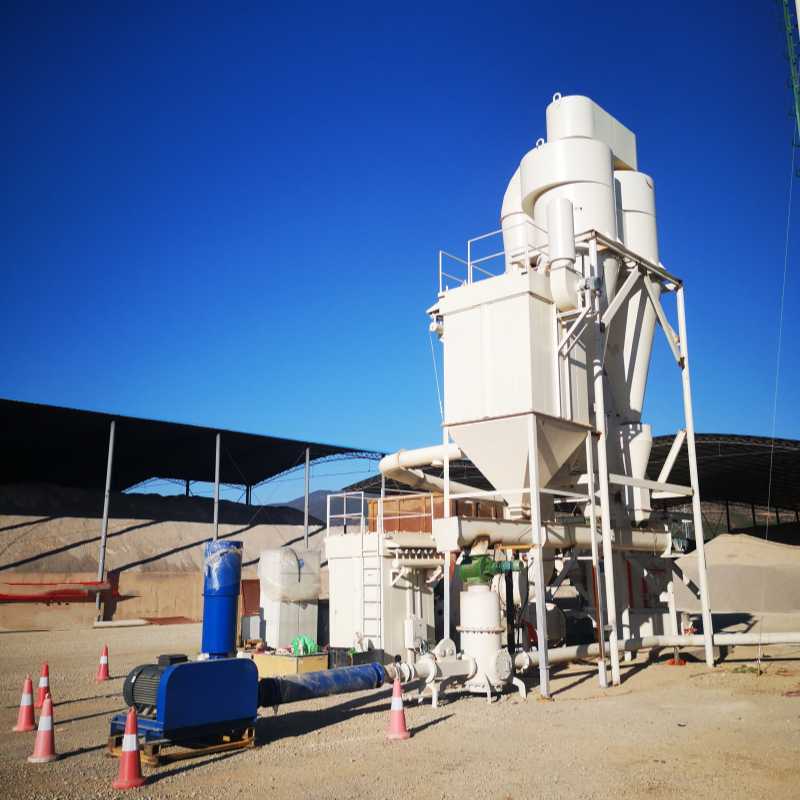
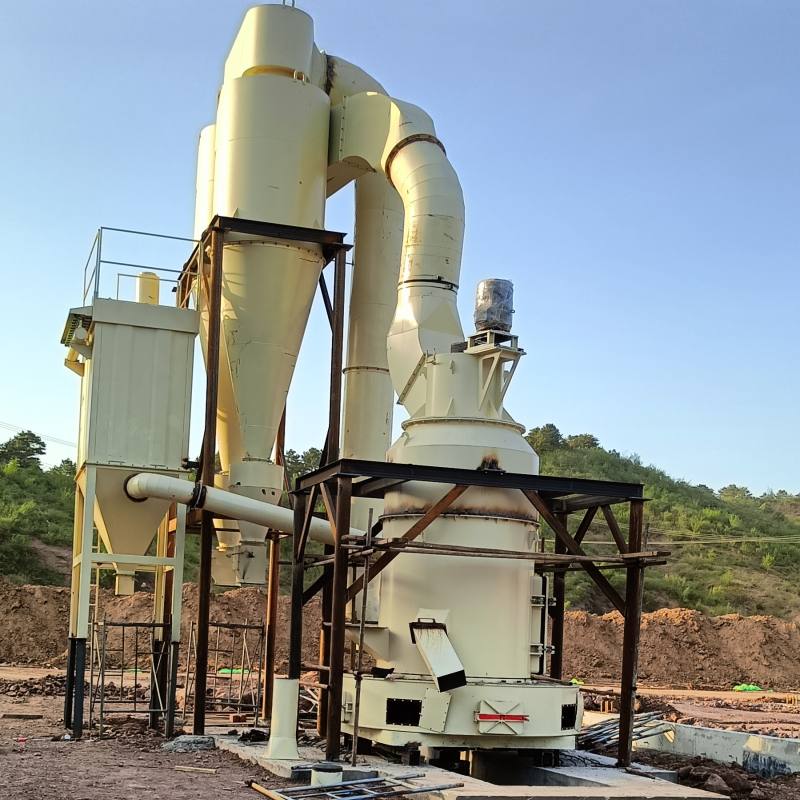
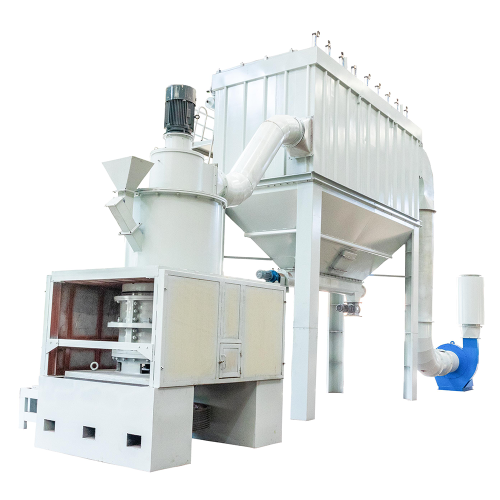
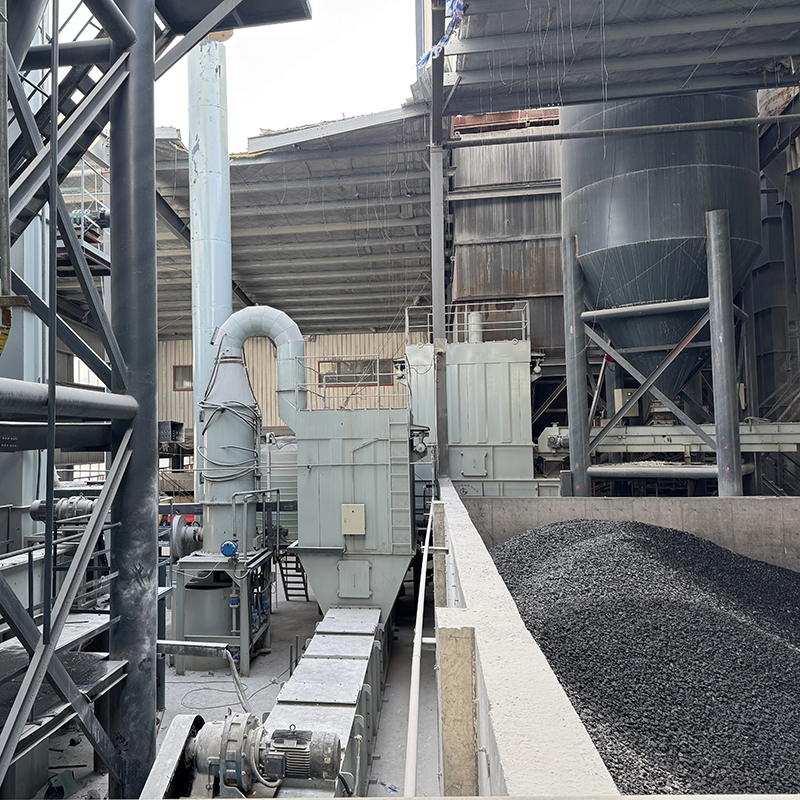
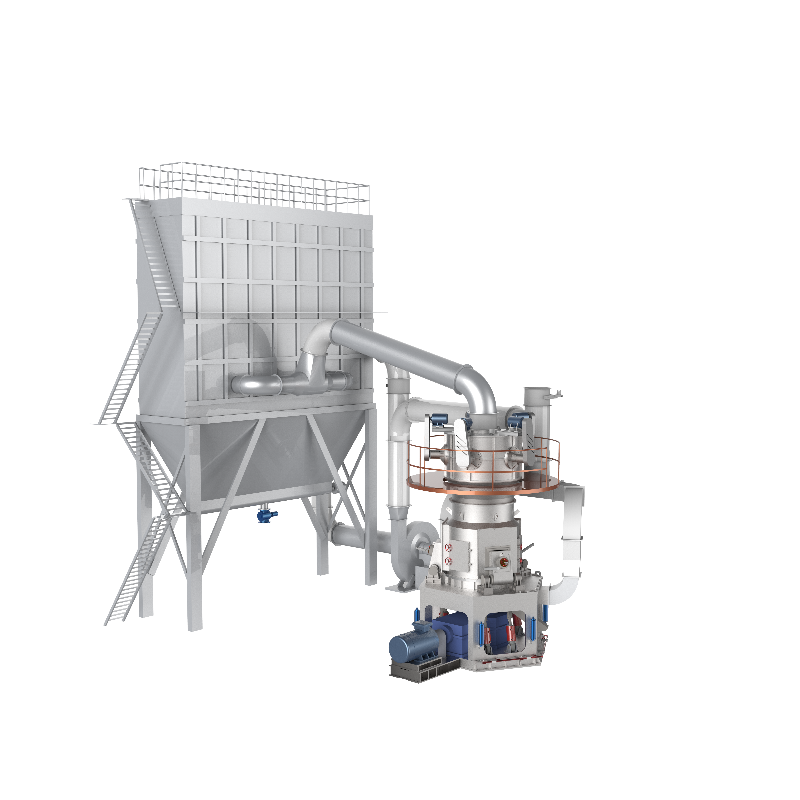
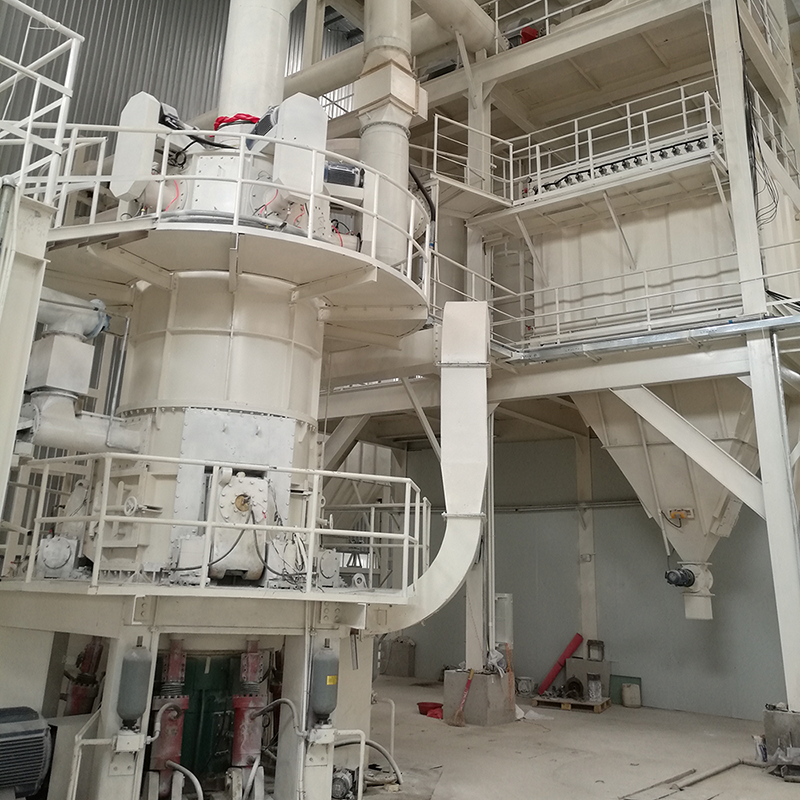
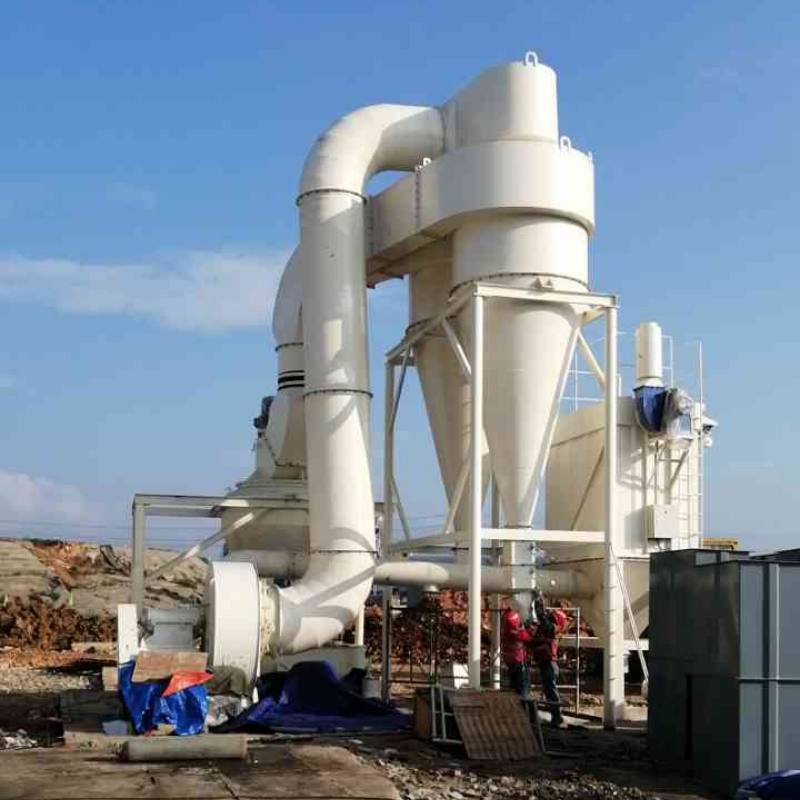
Consequently, the company plans to invest 8 million RMB in the construction of a new bauxite drying project. This project involves installing a Raymond mill, drying chambers, electric-driven pneumatic heating units, and associated environmental protection equipment within the existing production workshop. These additions will be used to dry and grind purchased raw materials for subsequent resale. Upon completion, this project will have an annual bauxite drying capacity of 50,000 tons.
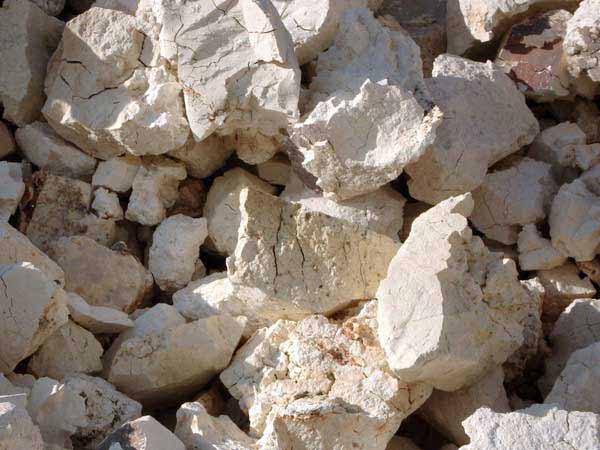
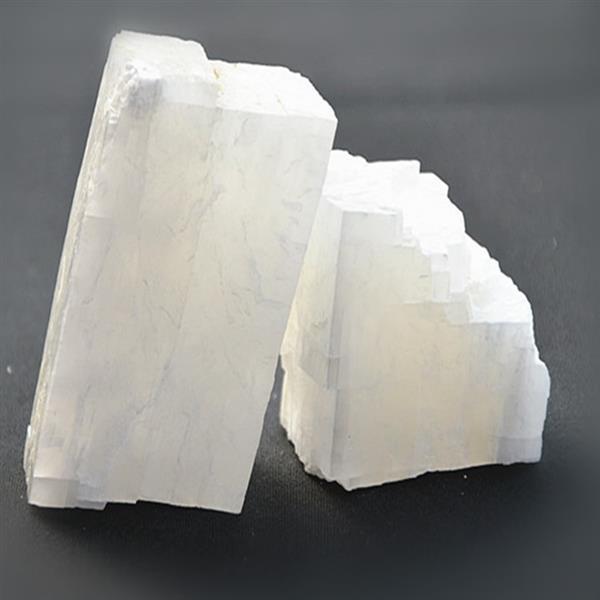
Material Processed: Bauxite
Output Capacity: 10 t/h
Feed Particle Size: 10 mm
Discharge Particle Size: 200 Mesh
Site Conditions
The purchased bauxite raw material—supplied in one-ton bulk bags—has a moisture content of 15%.
Drying Process: The purchased bauxite raw material—supplied in one-ton bulk bags—arrives at the facility. The site features two enclosed drying chambers, each equipped with a stationary drying rack capable of accommodating 18 mobile drying bins. The wet bauxite is transported into the drying chambers via forklift. The forklift positions a bulk bag directly above a drying bin; workers then untie the bag opening, allowing the bauxite to fall directly into the bin. Subsequently, the forklift places the filled bin onto the drying rack to undergo the drying process. This entire operation is conducted within a sealed environment; each drying batch takes approximately 10 hours, effectively reducing the moisture content from 15% to 2%.
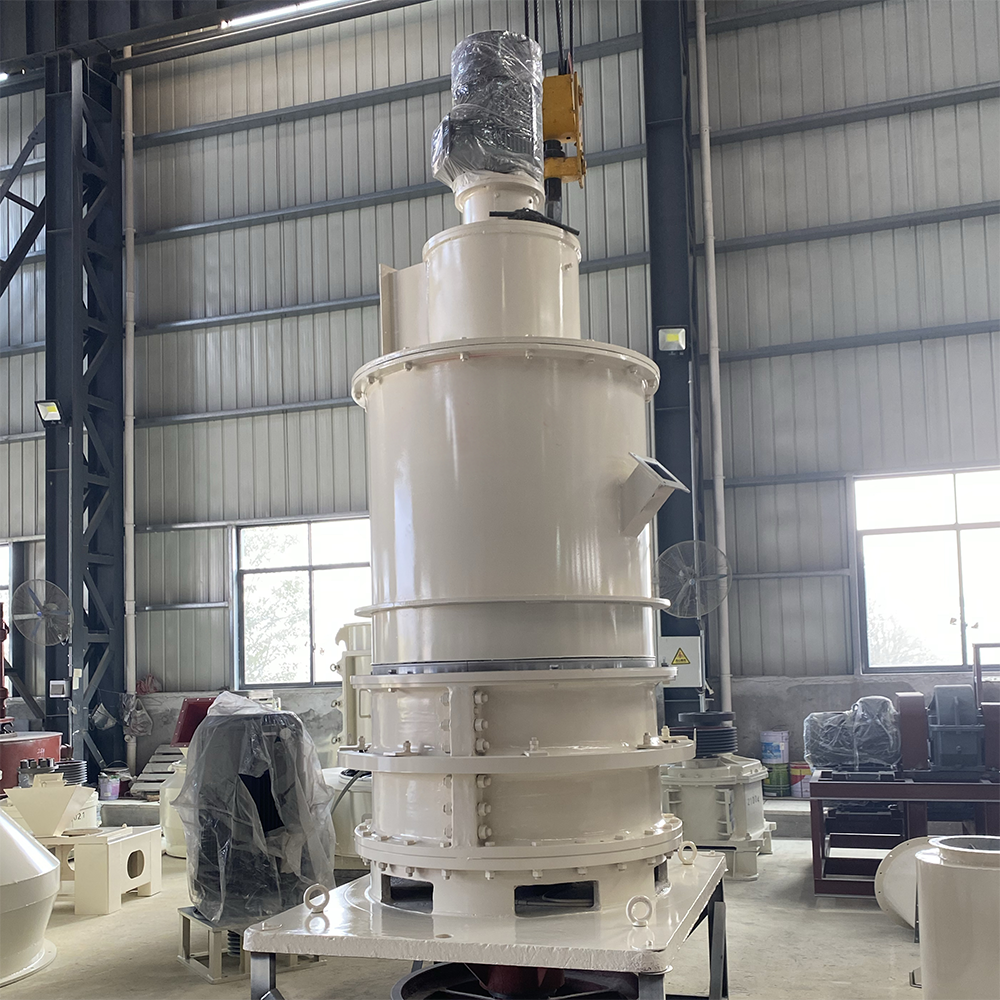
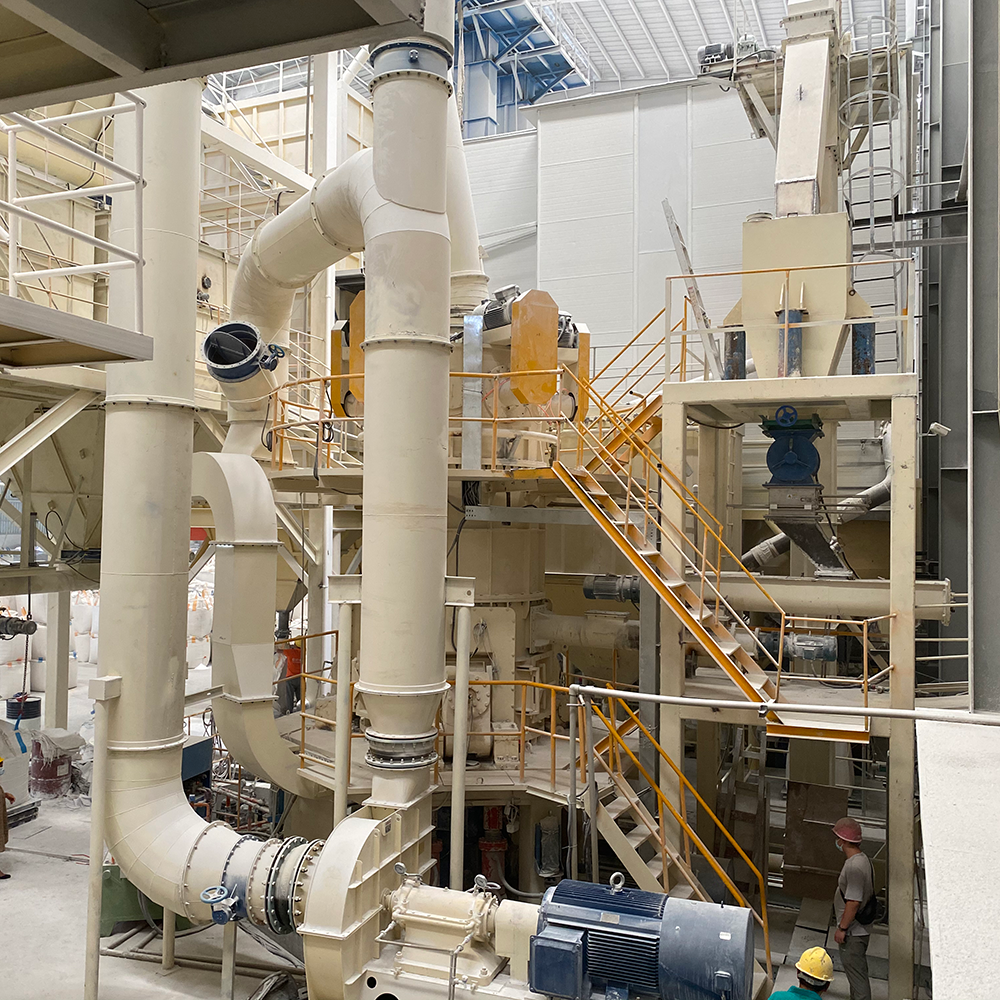
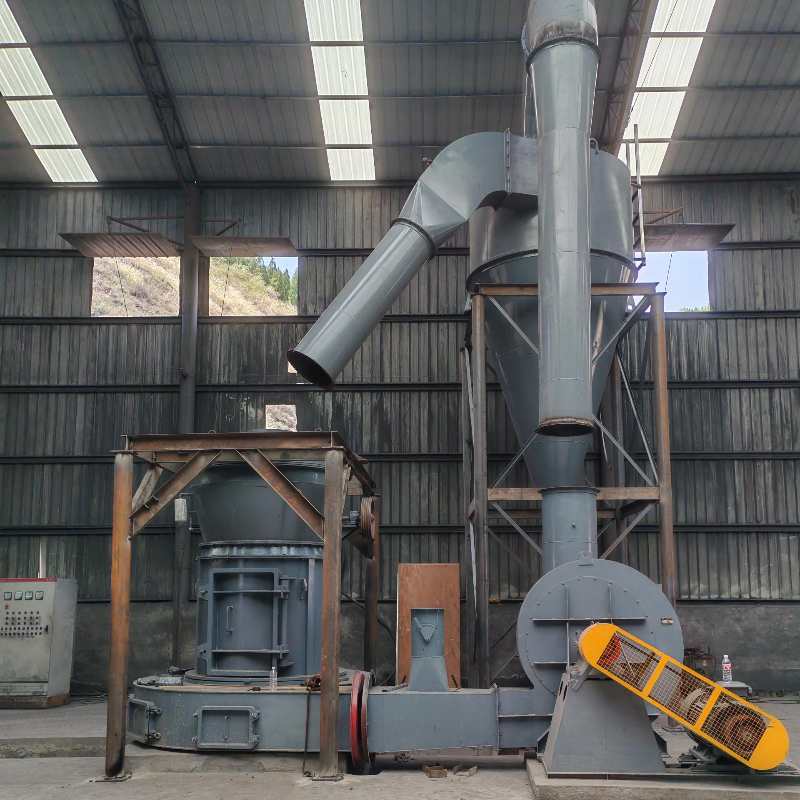
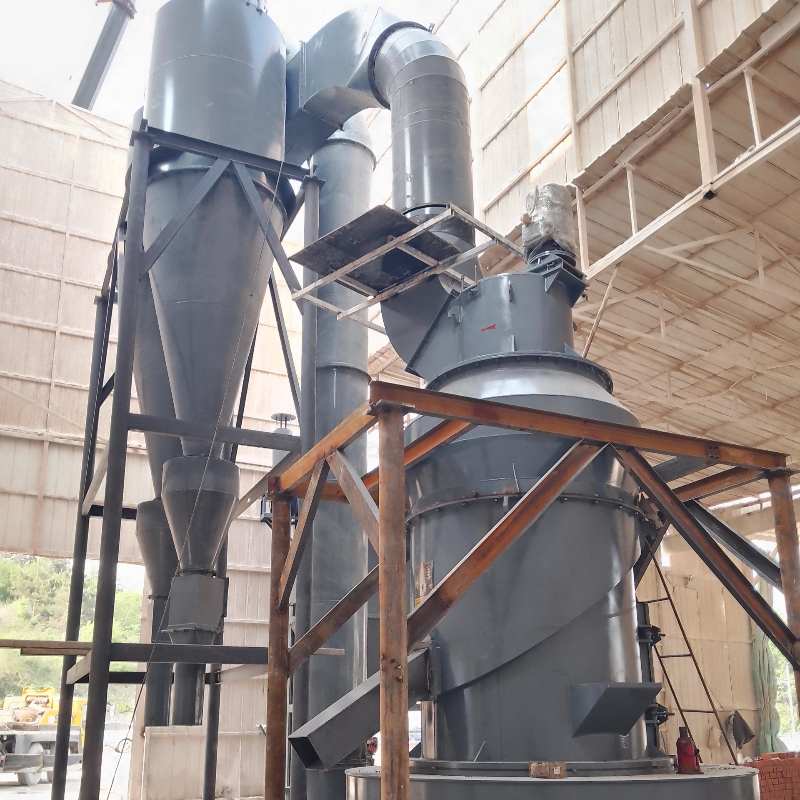
Grinding Process: The dried bauxite is conveyed via pipelines to the hopper situated above the Raymond mill, from where it is fed uniformly into the mill by a feeder. After being pulverized within the mill, the material is carried by an airflow into an air classifier for grading; coarse particles fall back down to undergo further grinding, while qualified fine powder travels with the airflow into a cyclone collector and is discharged as the final product. To maintain negative pressure within the system, excess air generated during the grinding process is channeled through a residual air duct into a pulse bag filter for purification.
Packaging: Once the finished product settles in the cyclone collector, it is discharged through an outlet port and packed into one-ton bulk bags for sale. During the discharge process, the bulk bags are securely sealed to the outlet port, maintaining a state of slight negative pressure.
Customer Testimonial
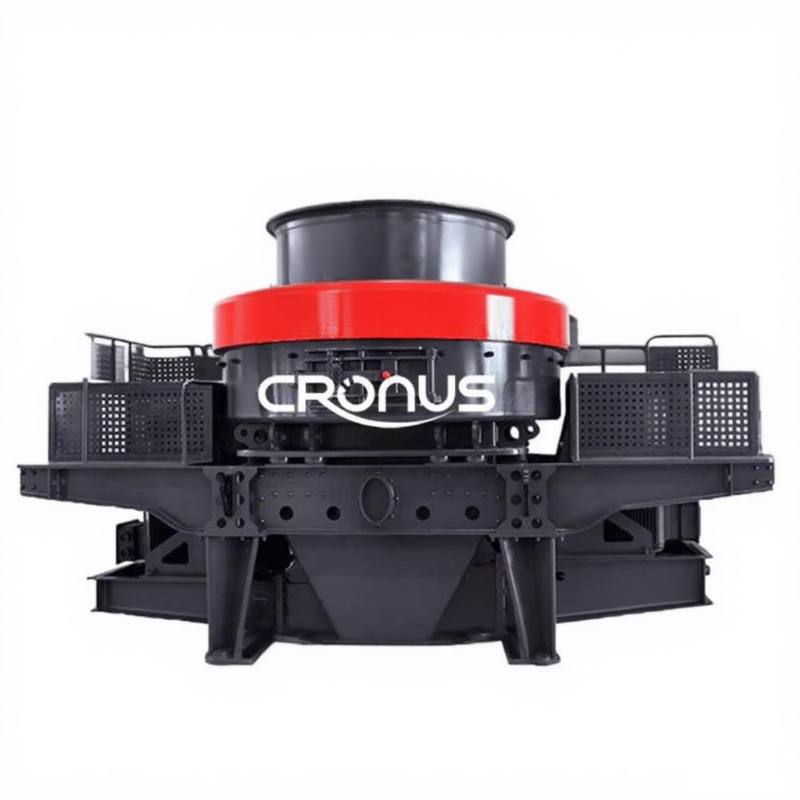
"The Cronus Raymond mill we purchased features a relatively low power consumption yet delivers a high output; it is currently operating smoothly in full production mode. After conducting a thorough comparative analysis prior to our purchase, we ultimately selected Cronus. Our practical experience has since proven that the Cronus Raymond mill not only fully meets our specific requirements for bauxite powder production but also operates with exceptional stability. It is safe, environmentally friendly, highly energy-efficient, and produces a uniform output free of impurities—leaving us thoroughly satisfied!"