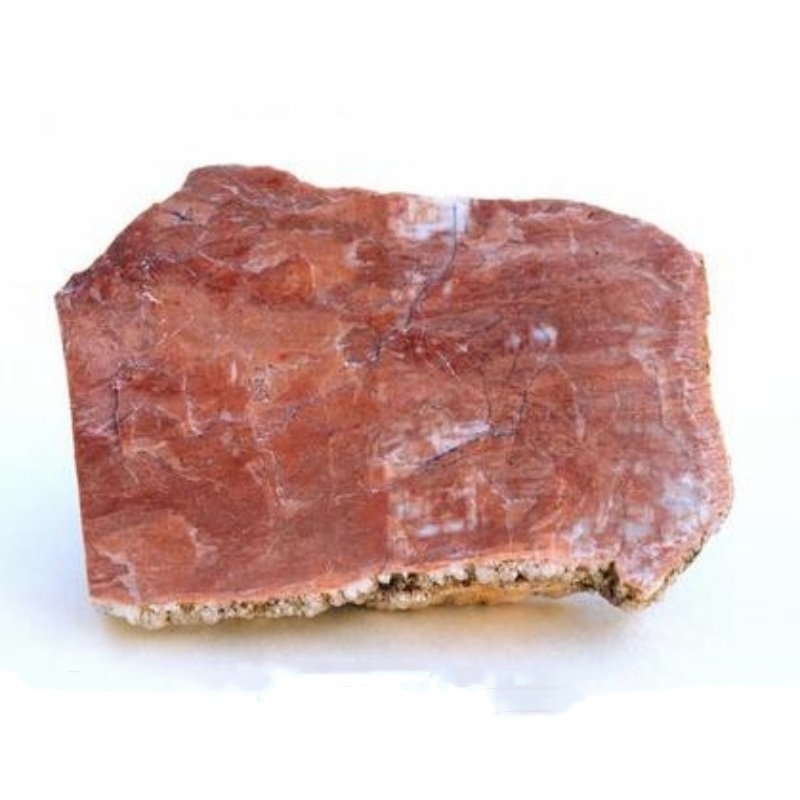
Potassium feldspar is an important category of feldspar minerals. As a potassium-rich silicate mineral, it has become a core category among non-water-soluble potassium resources due to its high potassium content, wide distribution range and large reserve scale. Its chemical structure is stable, with a melting temperature range of 1100-1200℃, a long melting interval, and excellent solubility. Under high-temperature conditions, it can melt into a transparent glassy substance, and thus is widely used in core industrial fields such as glass manufacturing, ceramic firing, and potassium fertilizer production. High-quality potassium feldspar can even be used in the production of high-end products like TV display glass shells, with prominent market value and application potential.
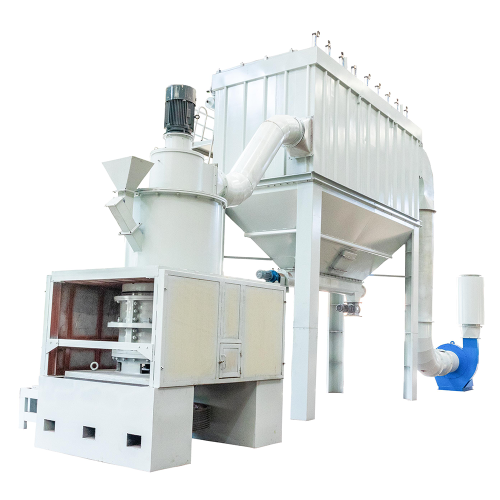
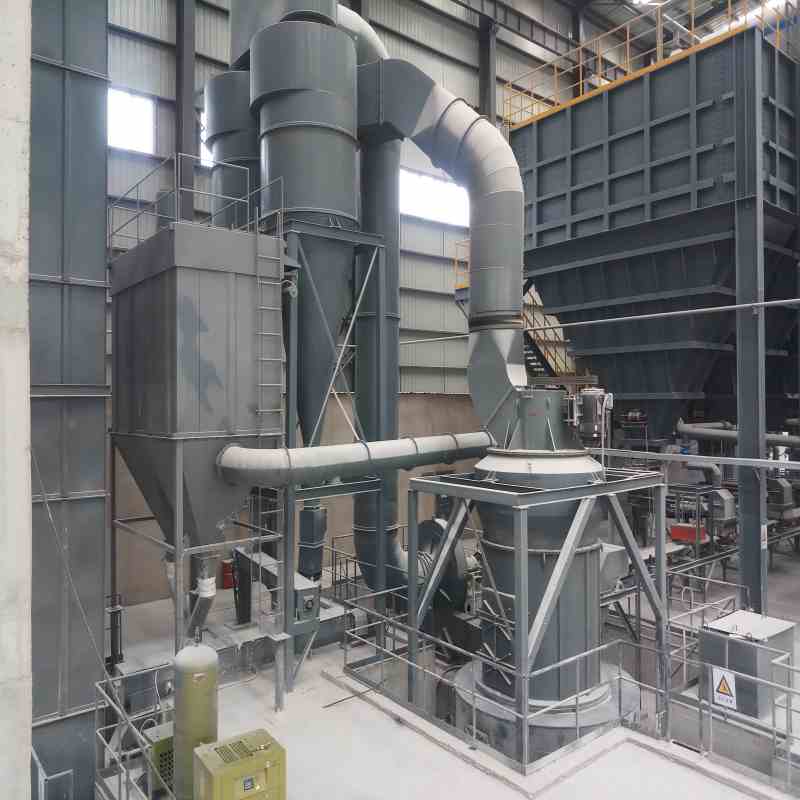
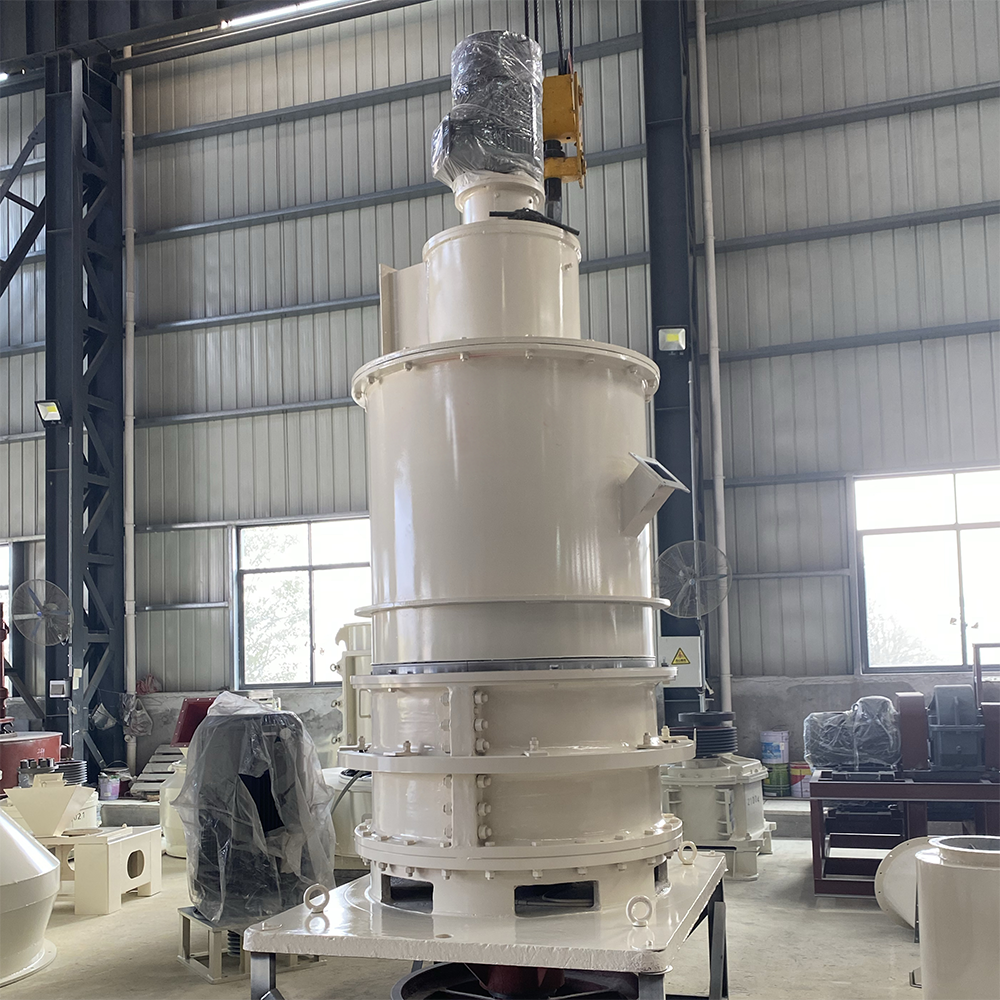
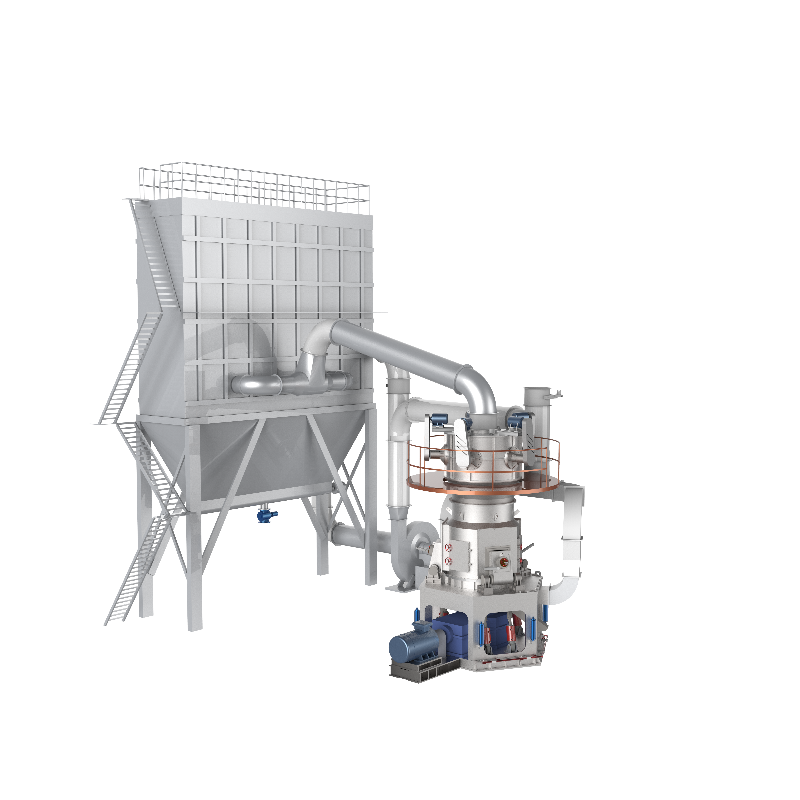
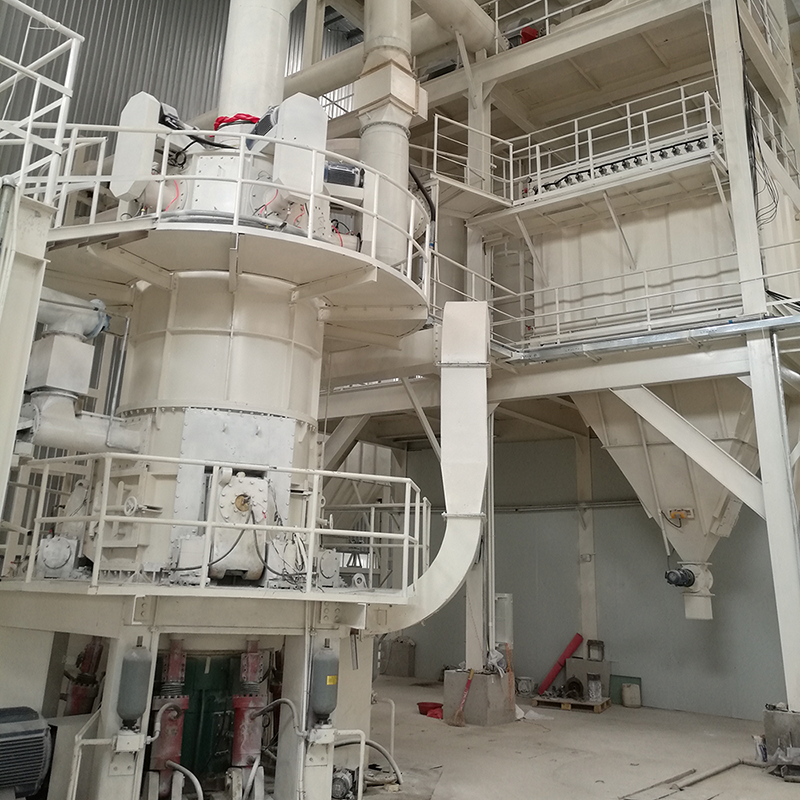
In response to the processing requirements of potassium feldspar of different particle sizes, Cronus potassium feldspar dedicated Raymond mill can achieve full coverage of coarse powder, fine powder, ultrafine powder and micro powder specifications, precisely matching the production standards of various industries.
The core process flow of potassium feldspar Raymond mill powder
Potassium feldspar powder is classified into four major specifications based on different application scenarios: coarse powder processing (0-3mm), fine powder processing (20 mesh - 400 mesh), ultra-fine powder deep processing (400 mesh - 1250 mesh), and micro powder processing (1250 mesh - 3250 mesh). The Cronus Raymond mill can flexibly adjust its process parameters according to the material characteristics and finished product requirements, meeting the diversified production demands. For customized solutions, you can consult our online customer service.
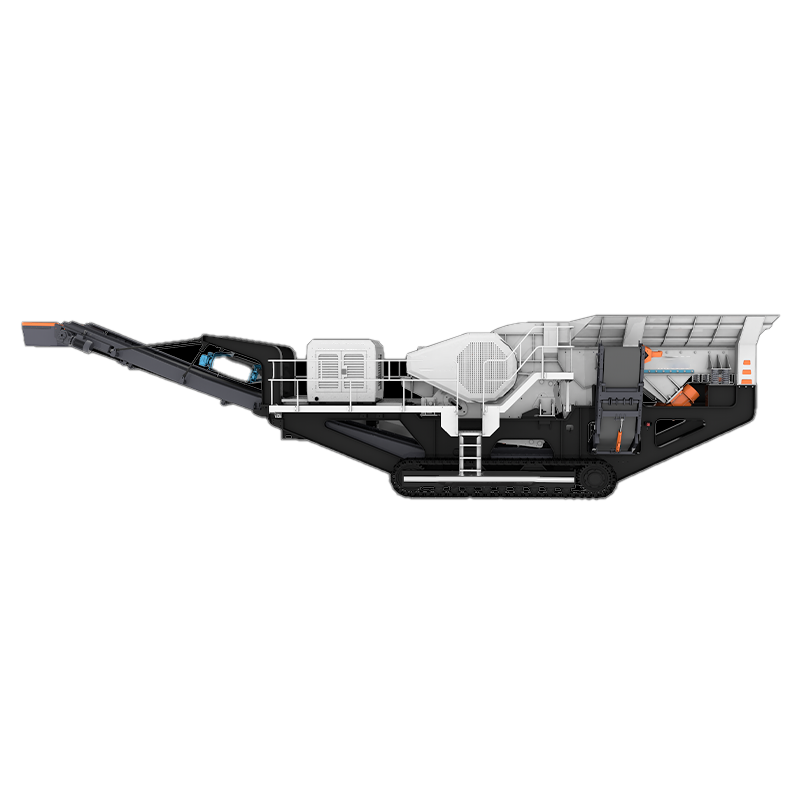
Phase One: Raw material crushing
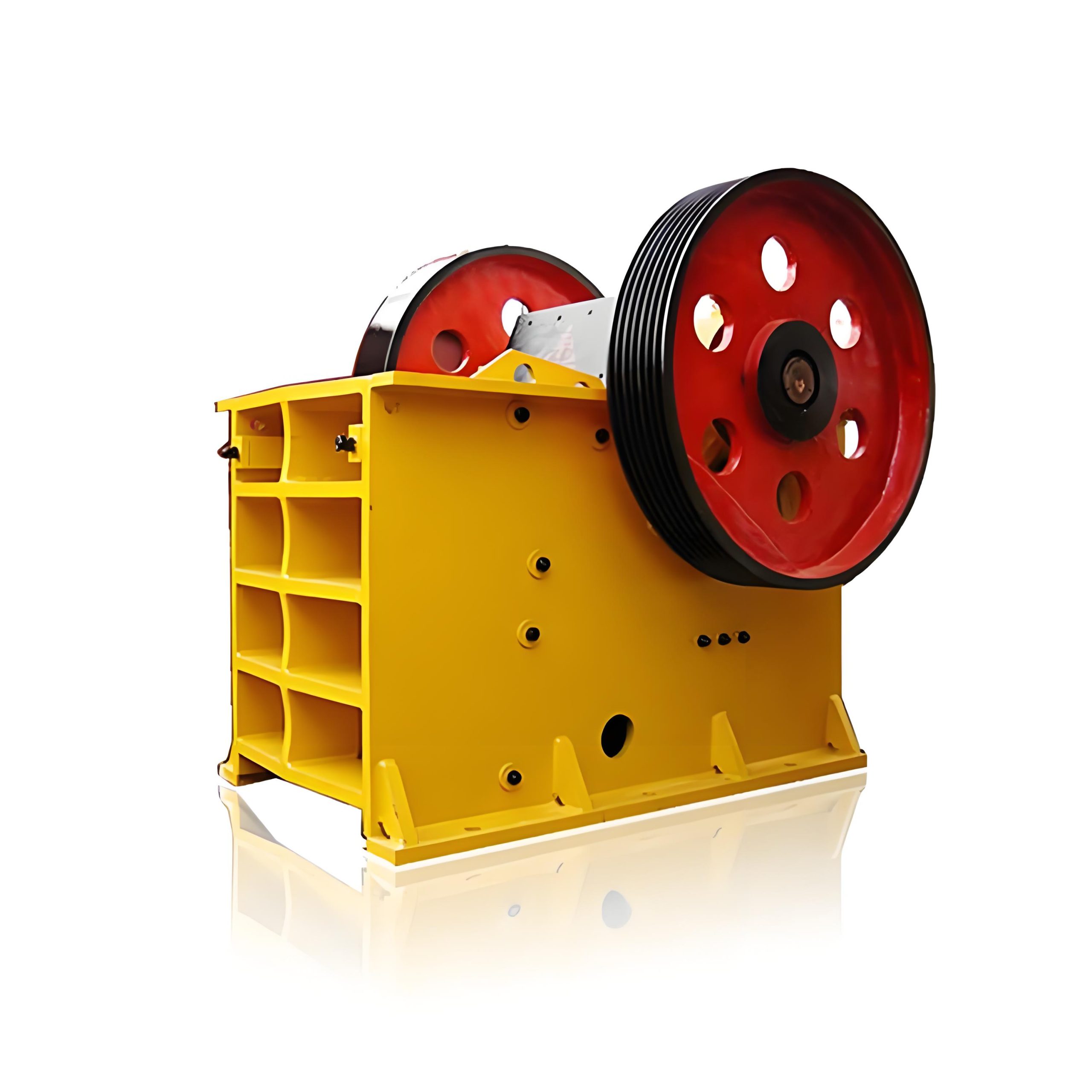
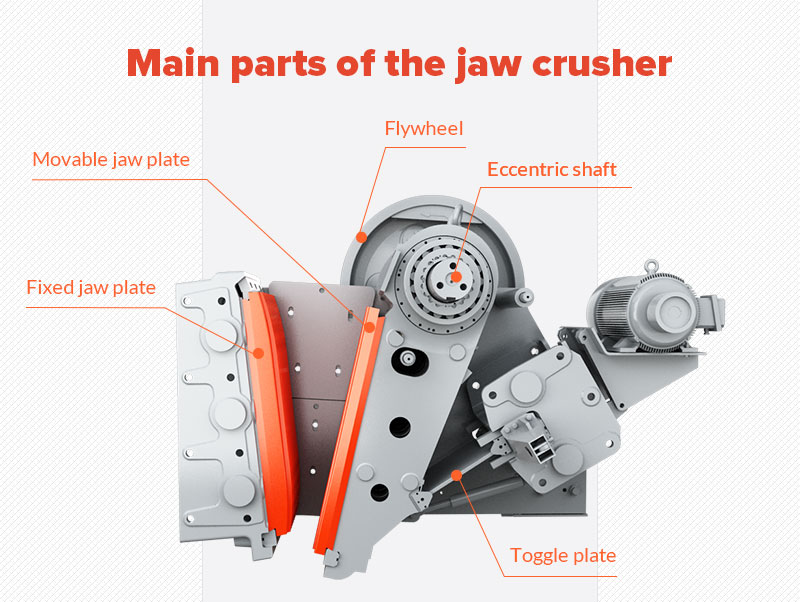
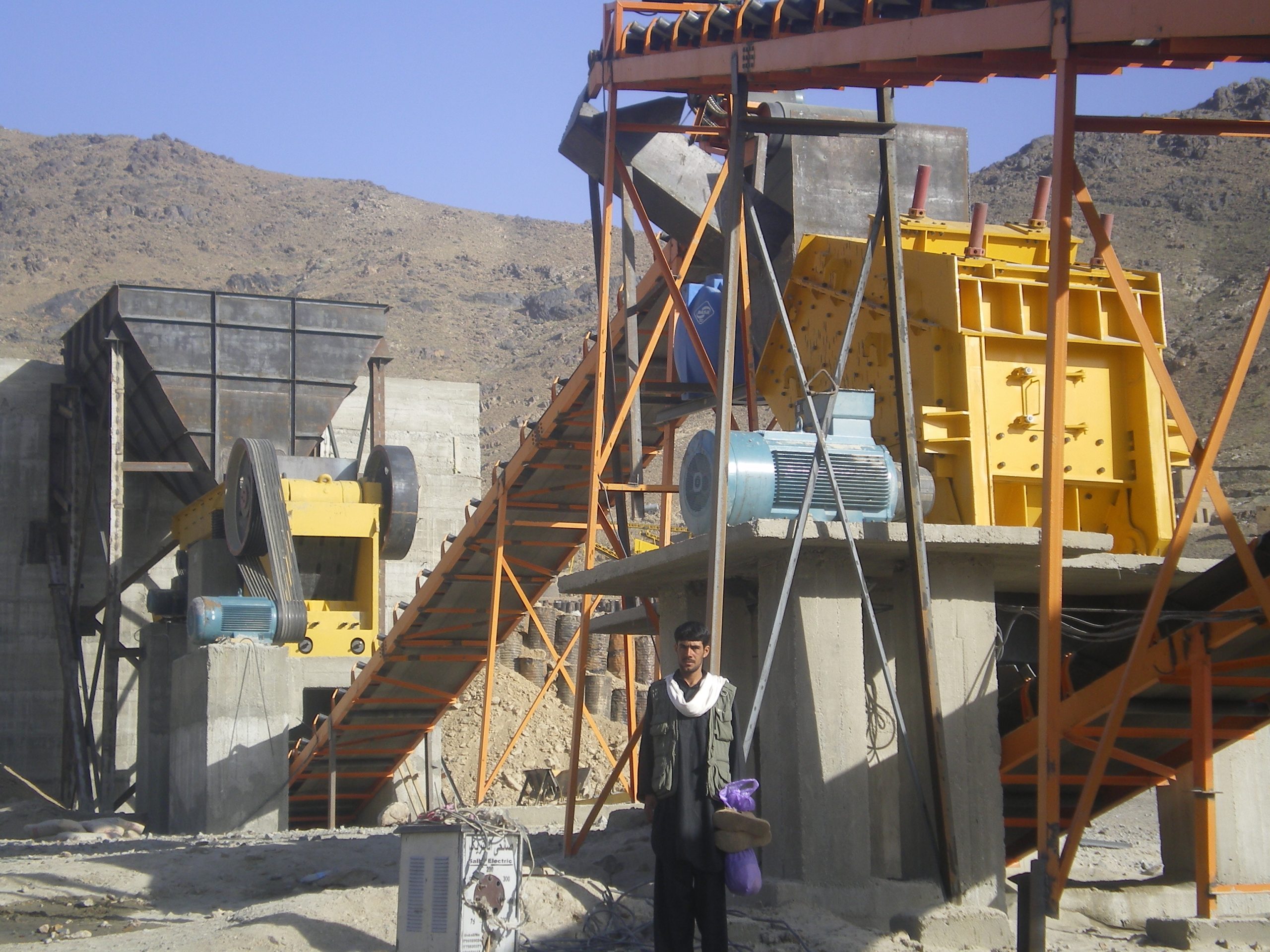
Large pieces of potassium feldspar raw materials are crushed by a jaw crusher to a feed particle size of 15mm-50mm, ensuring compliance with the feed standards of the Raymond mill and laying a foundation for subsequent efficient grinding.
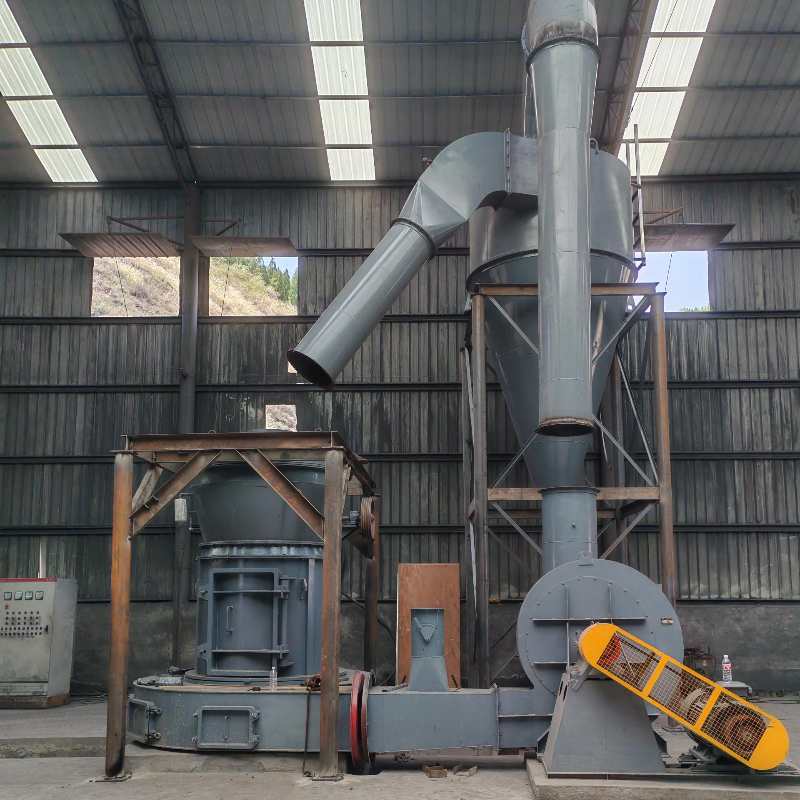
Phase Two: Raymond Mill grinding
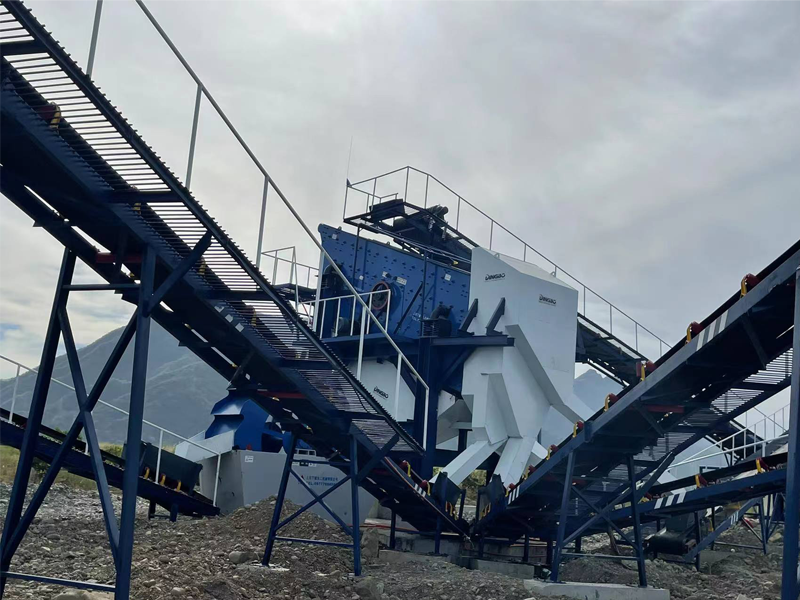
The crushed potassium feldspar small pieces are conveyed to the raw material silo for temporary storage by the bucket elevator. Then, it is evenly and quantitatively fed into the grinding chamber of the Cronus potassium feldspar special Raymond mill by the electromagnetic vibrating feeder. Inside the mill, the grinding rollers and grinding rings press and grind at high speed, achieving fine crushing of materials.
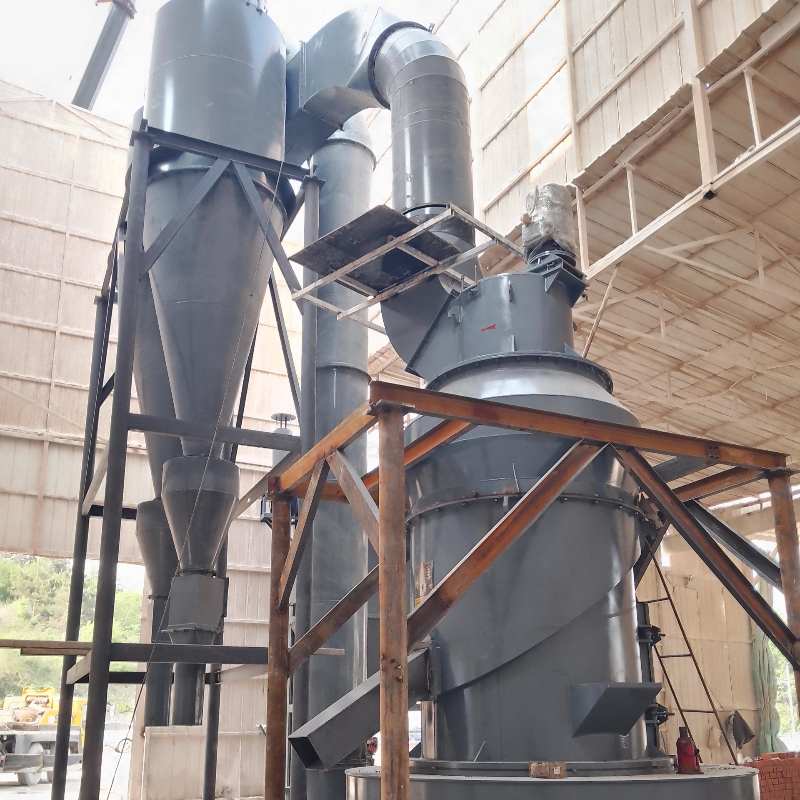
Phase Three: Dynamic Grading and screening
The ground materials are carried by the airflow into the matching powder separator for classification and screening. The substandard coarse powder particles are precisely separated by the classifier and directly returned to the grinding chamber of the Raymond mill main unit for further cyclic grinding to ensure uniform and consistent particle size of the finished product.
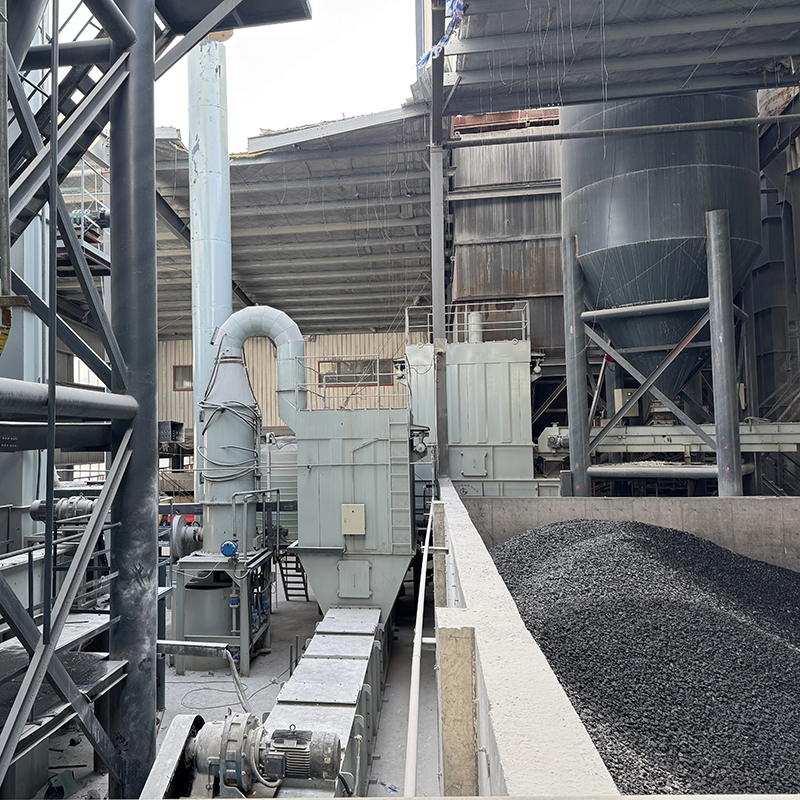
Phase Four: Finished product powder collection and packaging
Potassium feldspar powder that meets the fineness requirements is carried by the airflow through the pipeline into the pulse dust collector to complete the gas-solid separation and collection. The collected finished powder is conveyed to the finished product silo through the discharge port by the conveying equipment. Finally, according to the customer's requirements, it is transported in a closed manner by powder tank trucks or quantitatively packaged by automatic packaging machines to meet the full-process needs of large-scale production and warehousing transportation.