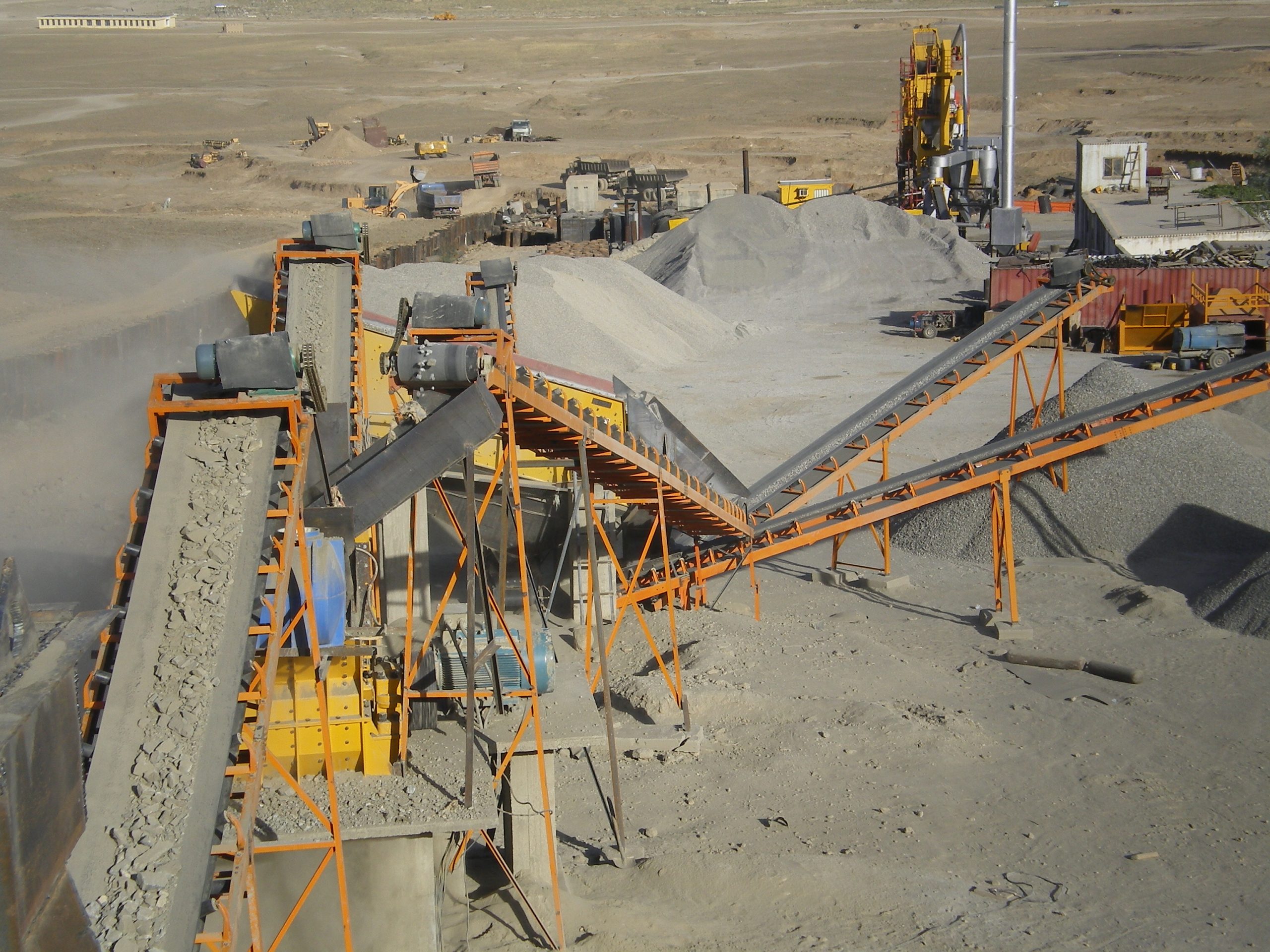
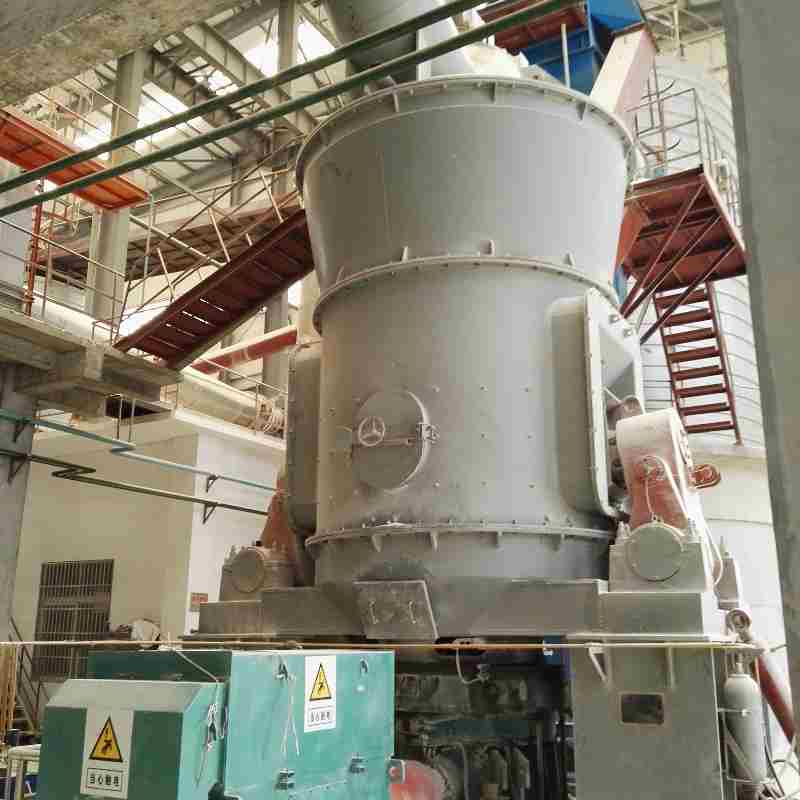
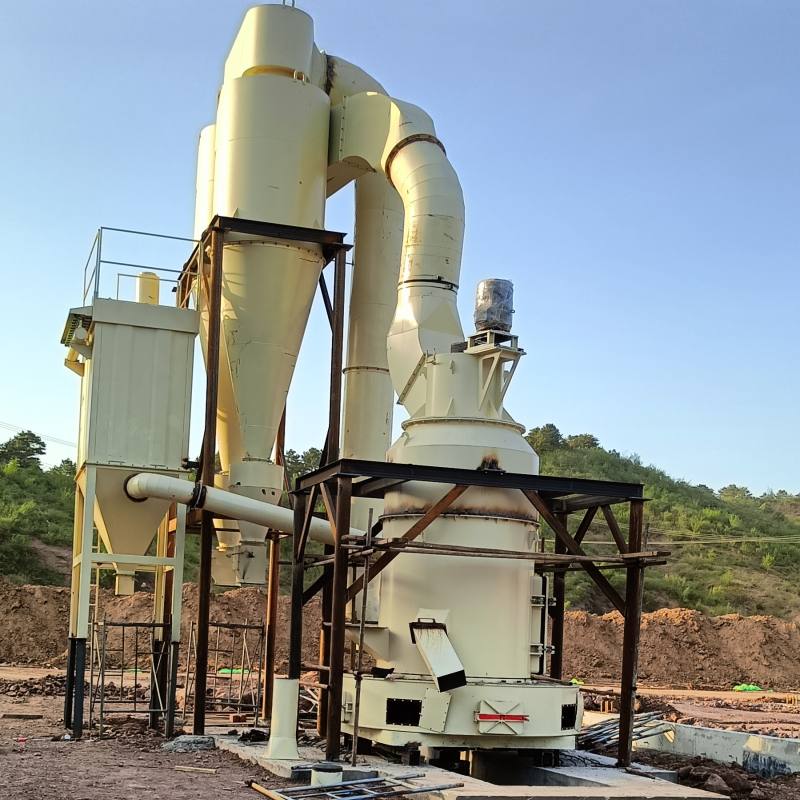
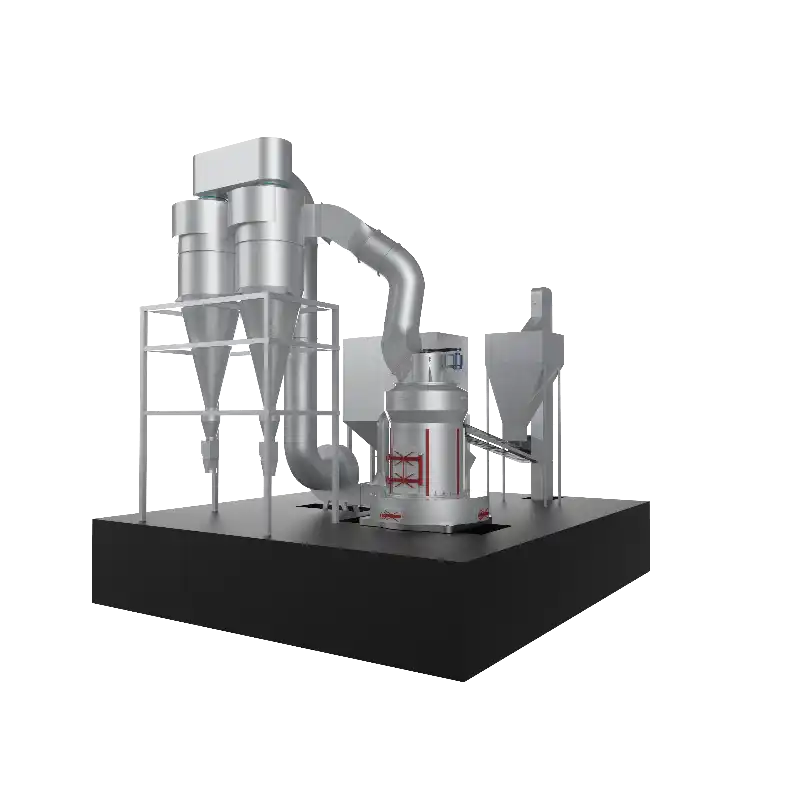
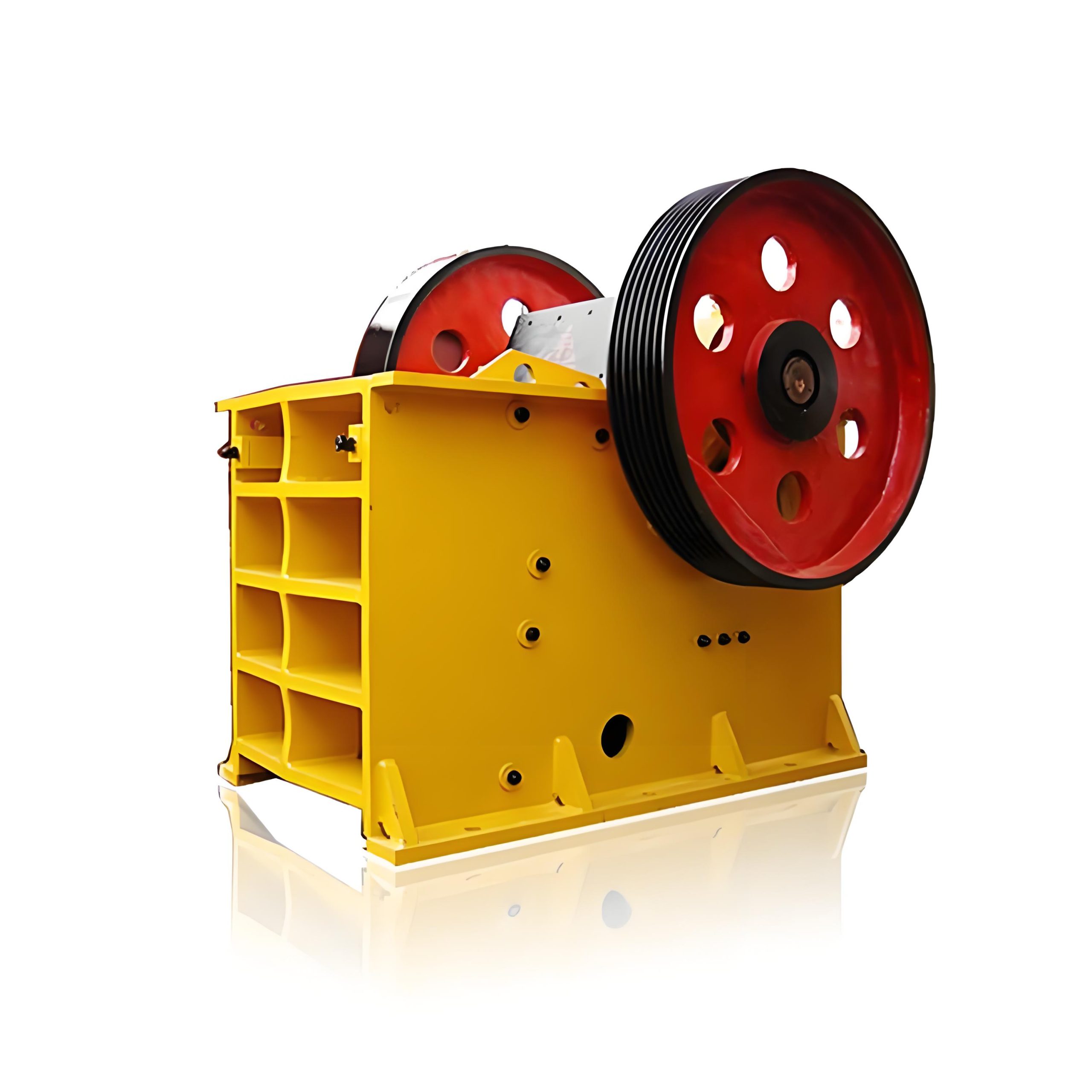
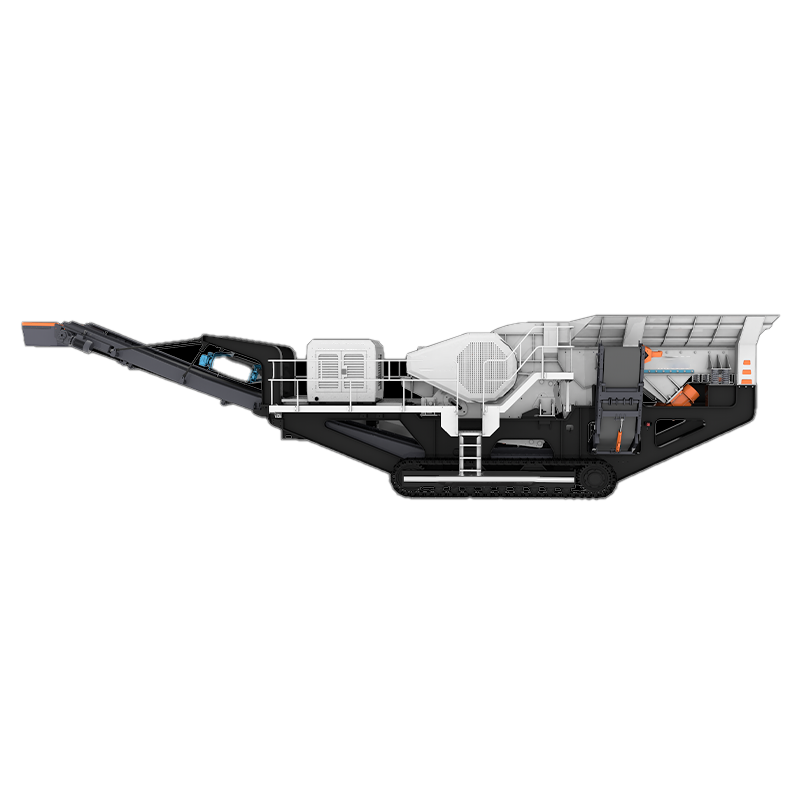
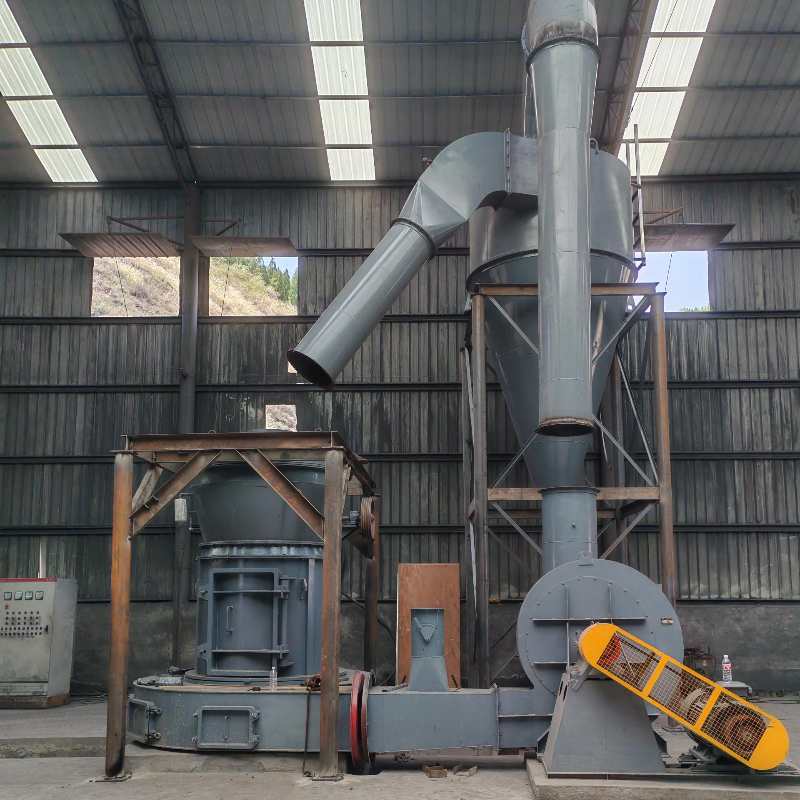
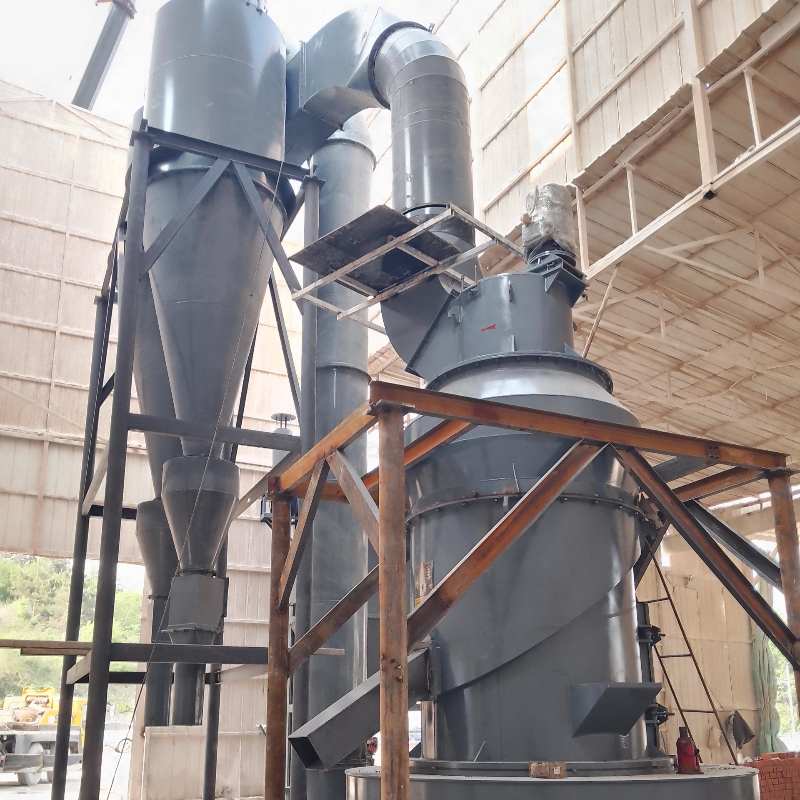
Jaw crusher is a heavy-duty machine used in mining, construction, and demolition industries. It is primarily used for breaking down large rocks into smaller, more manageable pieces. The main principle behind its operation is a simple mechanical movement that results in the crushing of materials.
The working principle of the jaw crusher
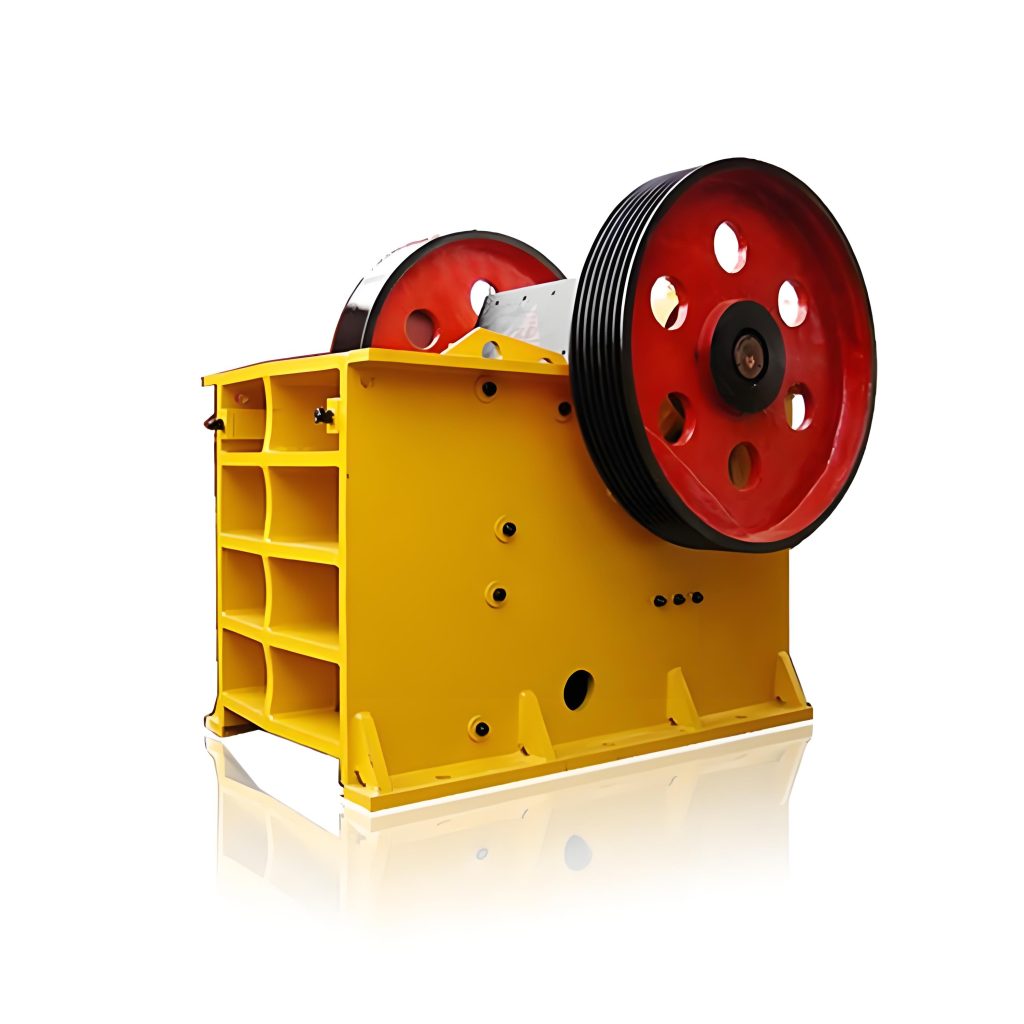
The Basic Structure
A jaw crusher consists of two jaw plates—one stationary (fixed) and one movable (swinging). The stationary jaw is set in a vertical position, while the swinging jaw moves back and forth in a somewhat horizontal motion. These jaws create a space between them, known as the crushing chamber.
The working principle of the jaw crusher
Material, such as rocks or stones, is fed into the crusher’s mouth from the top. This is typically done using a feeder that regulates the amount of material entering the machine. The crusher is designed to process large volumes of material, so the feed size can vary depending on the machine’s capacity.
The Crushing Action
As the movable jaw swings back and forth, it repeatedly comes into contact with the stationary jaw. When the movable jaw moves forward, the material trapped between the jaws is compressed and crushed. When the movable jaw moves backwards, the crushed material is released and falls down through the gap at the bottom, known as the discharge opening.
The size of the gap can be adjusted to control the size of the output material. Smaller gaps produce finer materials, while larger gaps produce coarser output.
The Mechanism Behind the Motion
The motion of the jaw is generated by an eccentric shaft that is powered by a motor. This motor spins the eccentric shaft, which, in turn, moves the movable jaw in a back-and-forth motion. This movement is critical in the crushing process.
Applications of Jaw Crushers
Jaw crushers are widely used in a range of industries, including:
Mining: To break down ore before further processing.
Construction: To process materials like limestone, granite, and basalt.
Recycling: To crush concrete, asphalt, and other construction waste.
Maintenance and Care
Like all machines, jaw crushers require regular maintenance to ensure optimal performance. This includes:
Checking and adjusting the gap size.
Inspecting the jaws for wear and tear.
Lubricating the moving parts to avoid excessive friction.
Replacing damaged parts, such as the jaws or bearings, when necessary.
Conclusion
A jaw crusher works by using mechanical force to break down large materials into smaller pieces. Its simple design and powerful crushing action make it one of the most effective machines for various industries, particularly in mining, construction, and recycling. Regular maintenance ensures that the jaw crusher continues to perform effectively and efficiently over time.