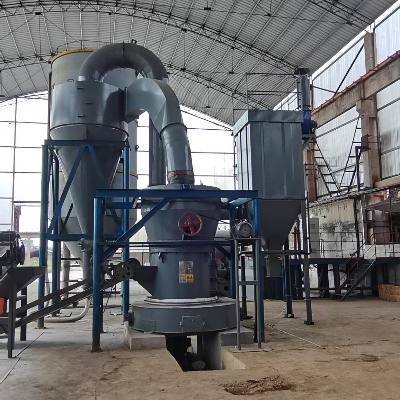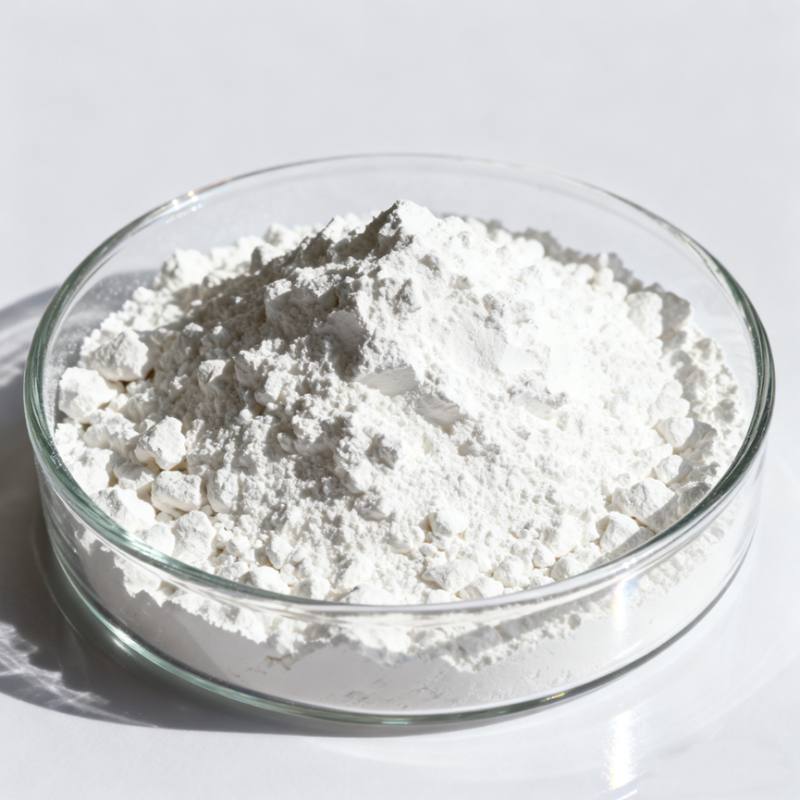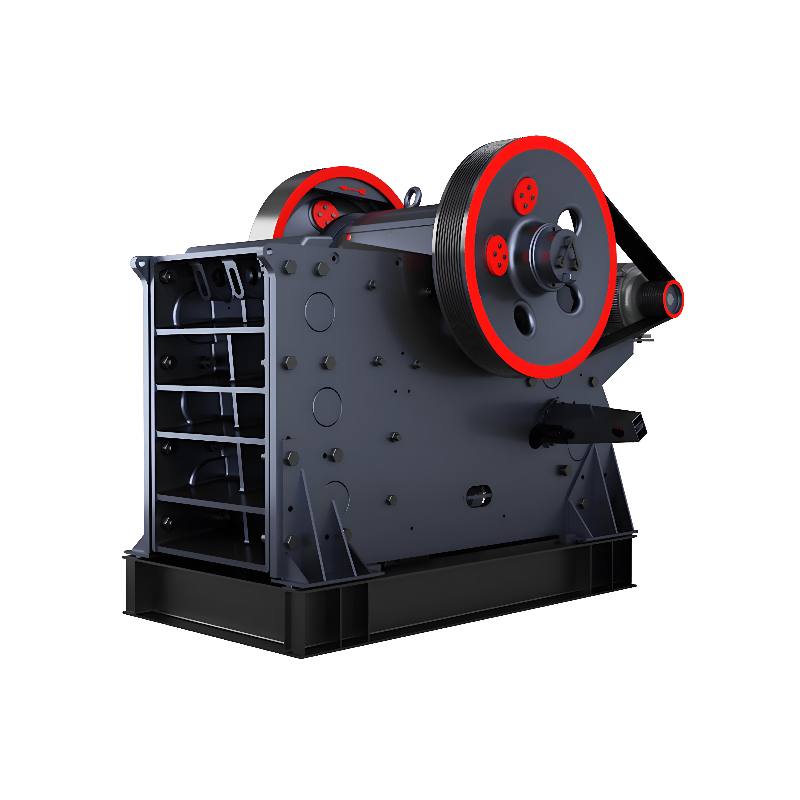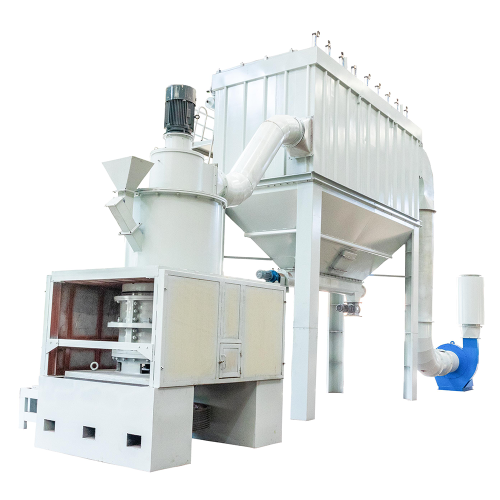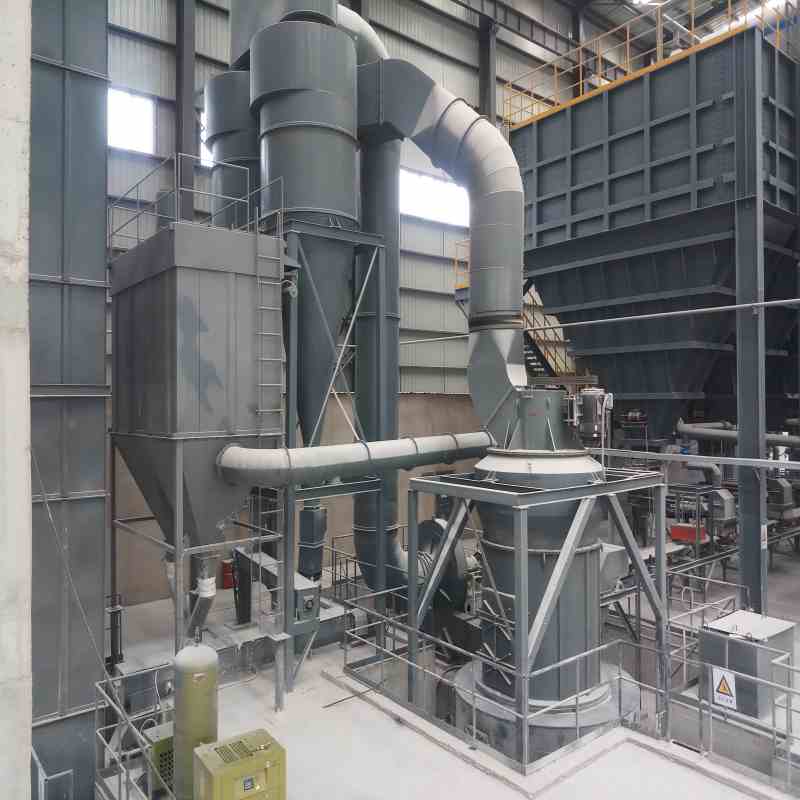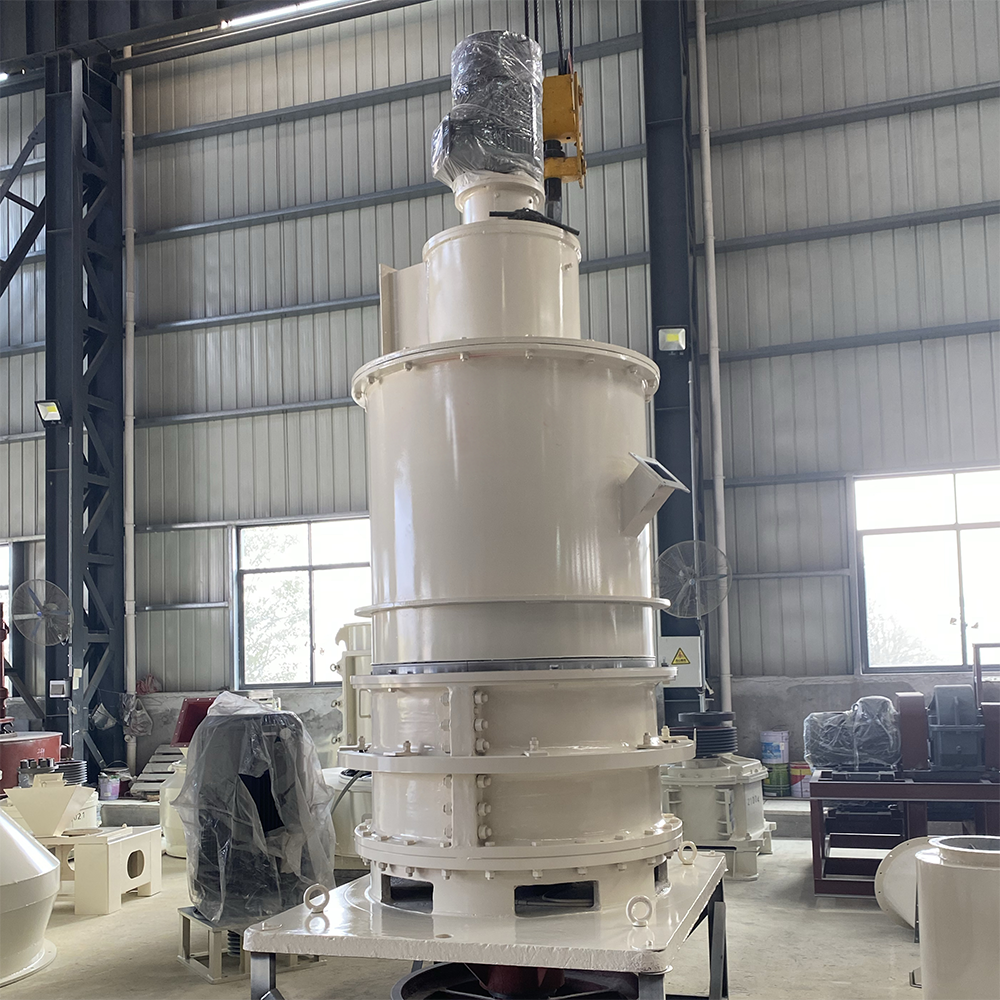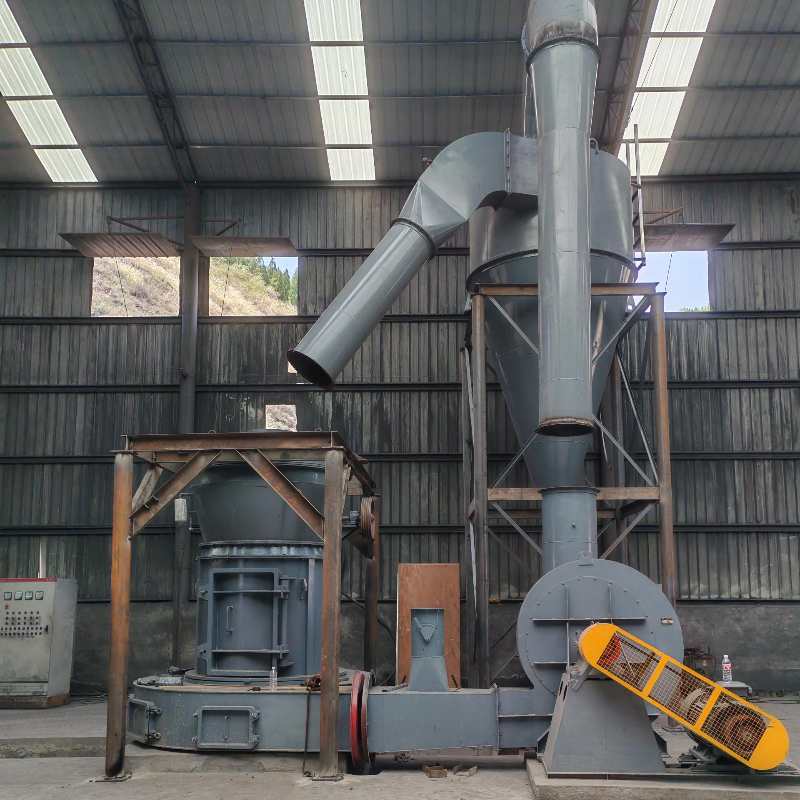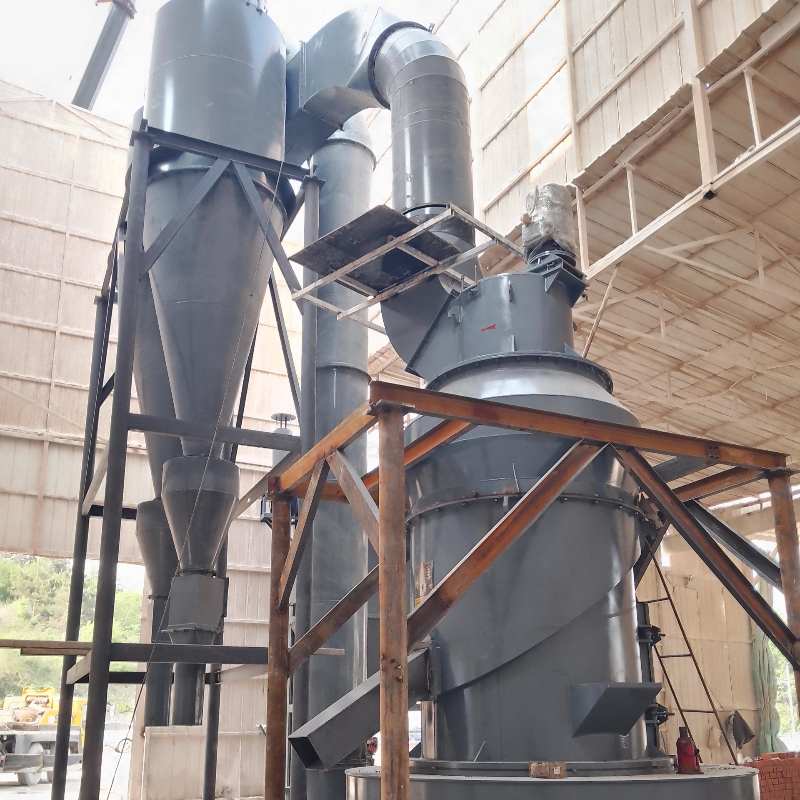
In the non-metallic ore processing field, Raymond mills are the industry's first choice due to their high grinding efficiency, small footprint, and high degree of automation. However, faced with a dazzling array of models on the market, how can companies accurately select the right model to maximize return on investment?
I. Selection Based on Material Physical Properties
The properties of the material directly determine the internal configuration and wear costs of the grinding mill:
- Mohs Hardness: Raymond mills are best suited for processing non-metallic ores with a hardness of 7 or less. If your material has higher hardness (such as quartz or feldspar), it is recommended to use the Shanghai Kronos high-pressure suspension roller mill, which increases the pressure on the grinding rollers through a pressurization device, resulting in stronger crushing force.
- Moisture Content: The ideal infeed moisture content should be below 6%. If the moisture content exceeds 10%, the material is prone to adhesion, leading to "grinding" or clogging of the elevator. It is recommended to add drying equipment upstream of the process.
- Finished Product Fineness Requirements: Standard Raymond mills can be adjusted between 80-400 mesh. If your application (such as plastic filler or paper coating) requires ultrafine powder of 400 mesh or higher, you will need to equip it with Kronos' new high-precision air classifier.
II. Balancing Site Space and Investment Budget
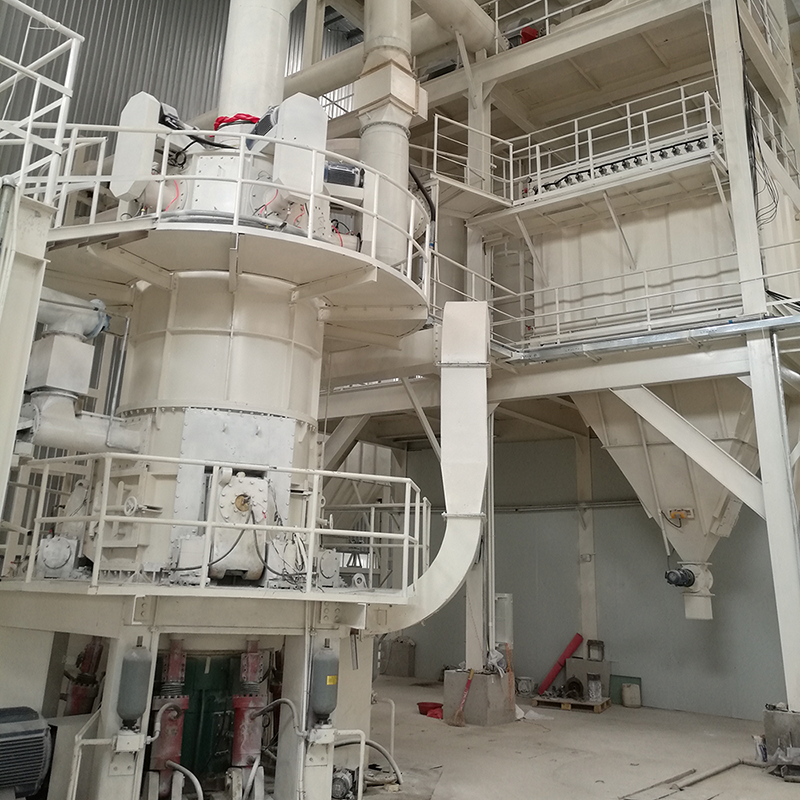
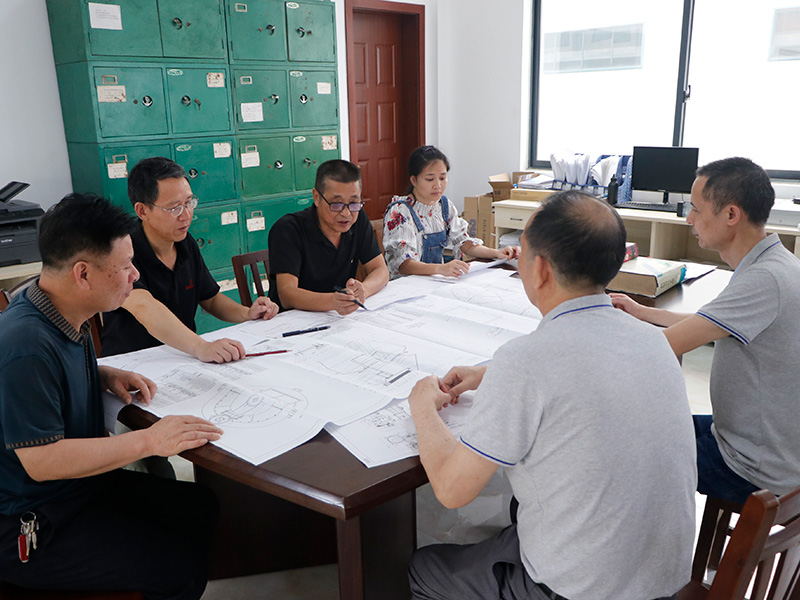
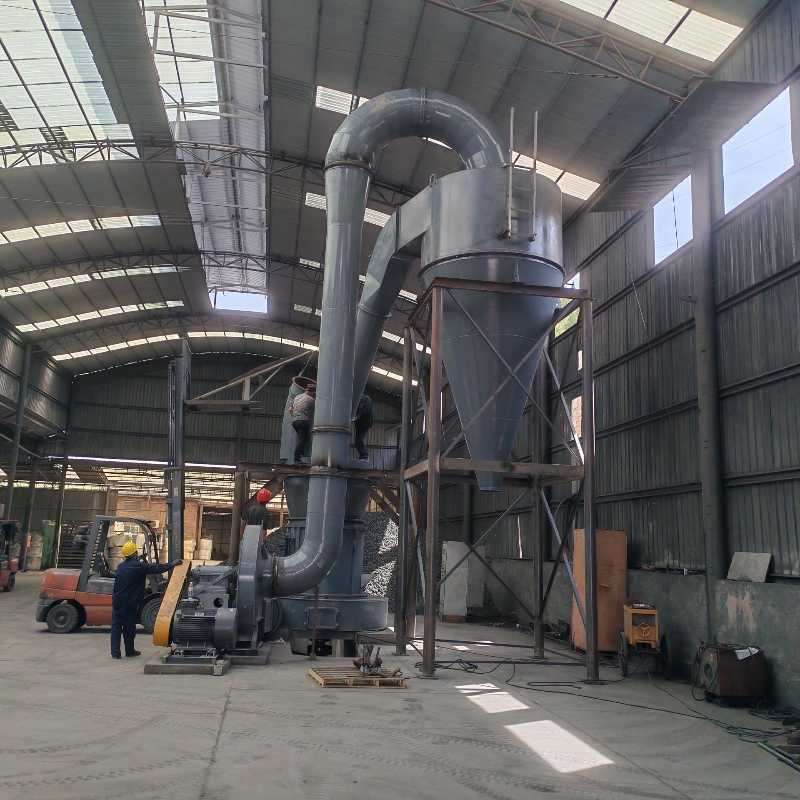
Spatial Layout: Raymond mills have a vertical structure, which, while requiring less floor space, places certain demands on plant height. Before selection, the Kronos technical team can provide you with a 3D layout plan to ensure equipment installation does not conflict.
Overall Investment: Don't just look at the price of the main unit. While efficient dust removal and automated control systems increase initial investment, they significantly reduce later labor costs and the risk of environmental penalties.
IV. Focus on System Compatibility and Environmental Standards
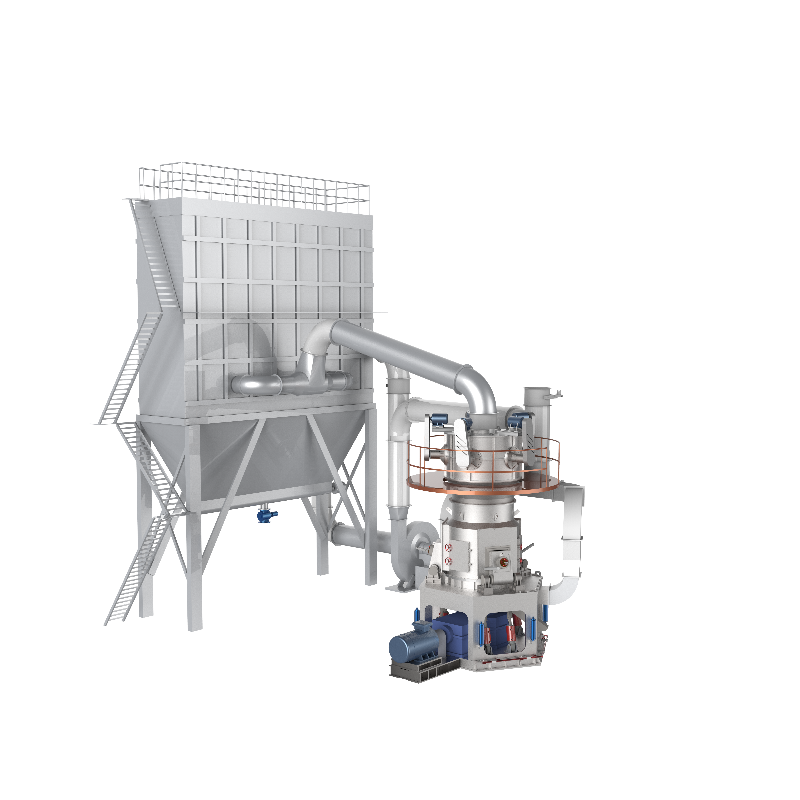
A modern grinding production line is not just a single main unit, but a system:
Classification System: A variable frequency speed-controlled air classifier allows for more sensitive fineness adjustment.
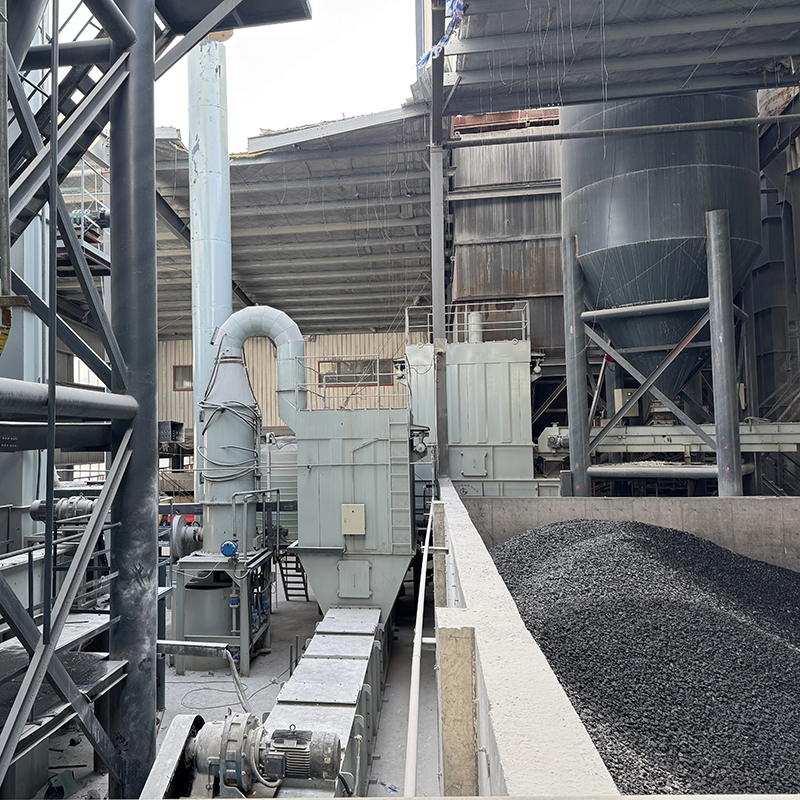
Dust Removal System: Optional pulse bag filter ensures emissions meet standards and achieves "zero dust overflow."
Intelligent Control: A PLC automatic control system is recommended for remote monitoring and overload protection.
V. Why Choose Shanghai Cronus?
High Wear-Resistant Materials: The grinding rollers and grinding rings are made of a special alloy casting, extending the replacement cycle by more than 30%.
Full Lifecycle Service: From site survey and solution design to installation, commissioning, and operation training, we provide one-stop technical support.
Frequently Asked Questions (FAQ)