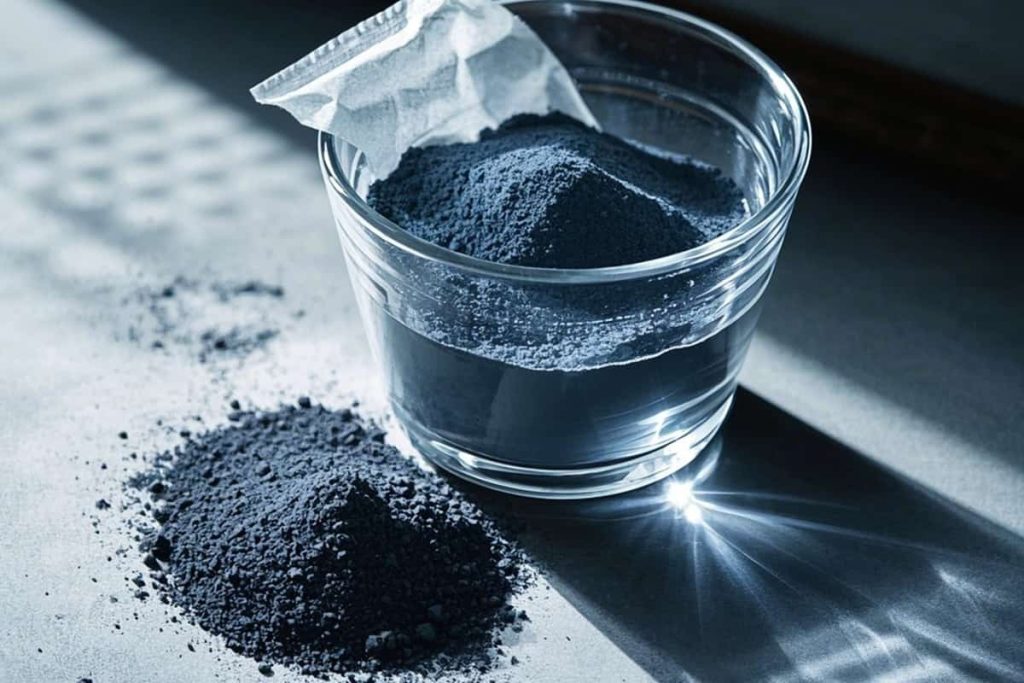
Graphite Mohs hardness value: 1 to 2 (close to talc, slightly harder than gypsum). It has good electrical conductivity and is often used in electronics and electrical appliances as well as metallurgical smelting. High-temperature resistance and high melting and boiling points are the core of refractory materials. It has strong lubricity, can reduce mechanical wear and is used in mechanical manufacturing. It has stable chemical properties and is suitable as a material for making corrosion-resistant chemical equipment.
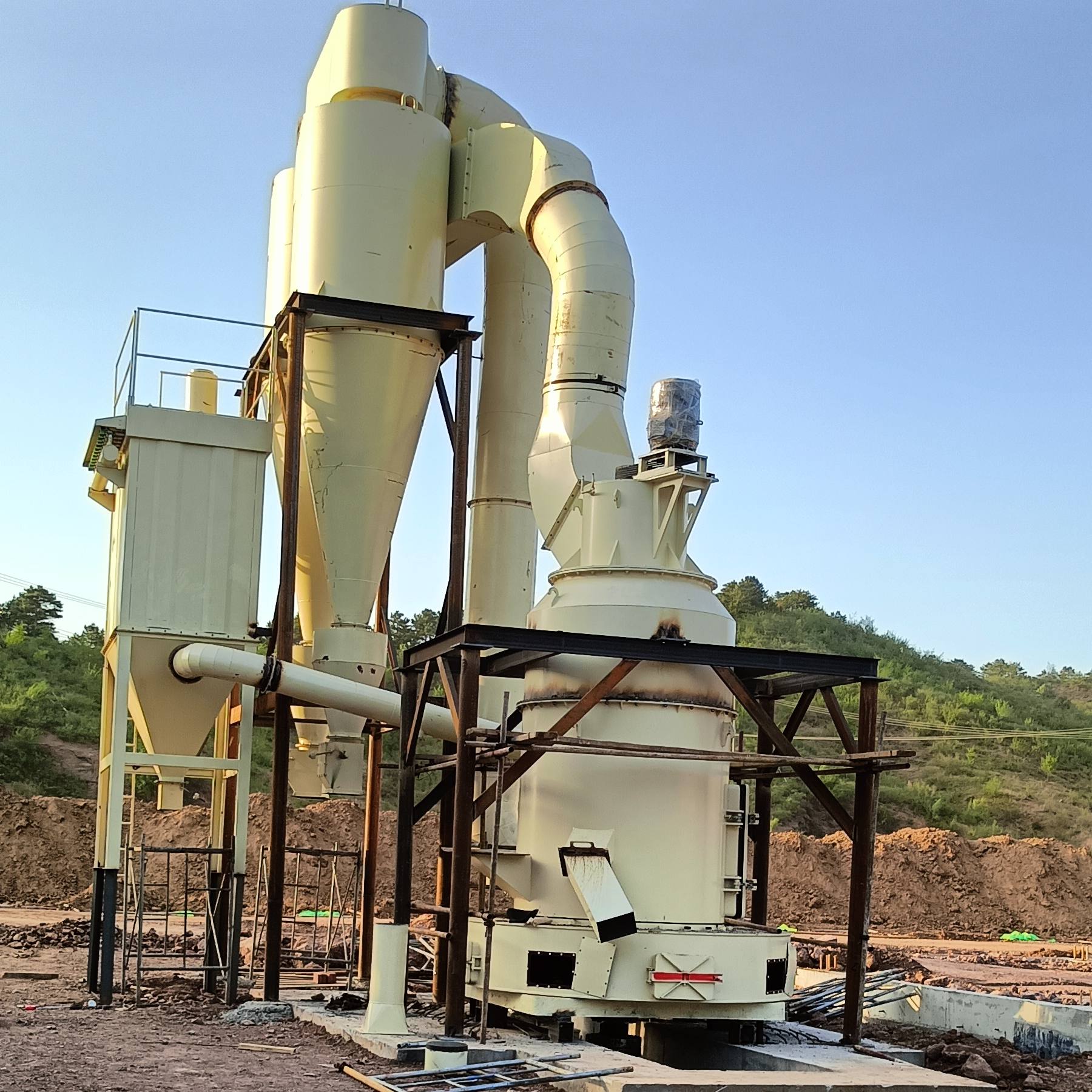
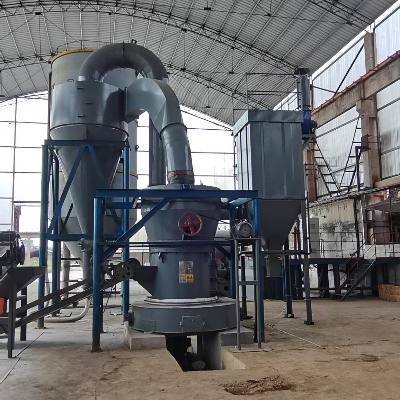
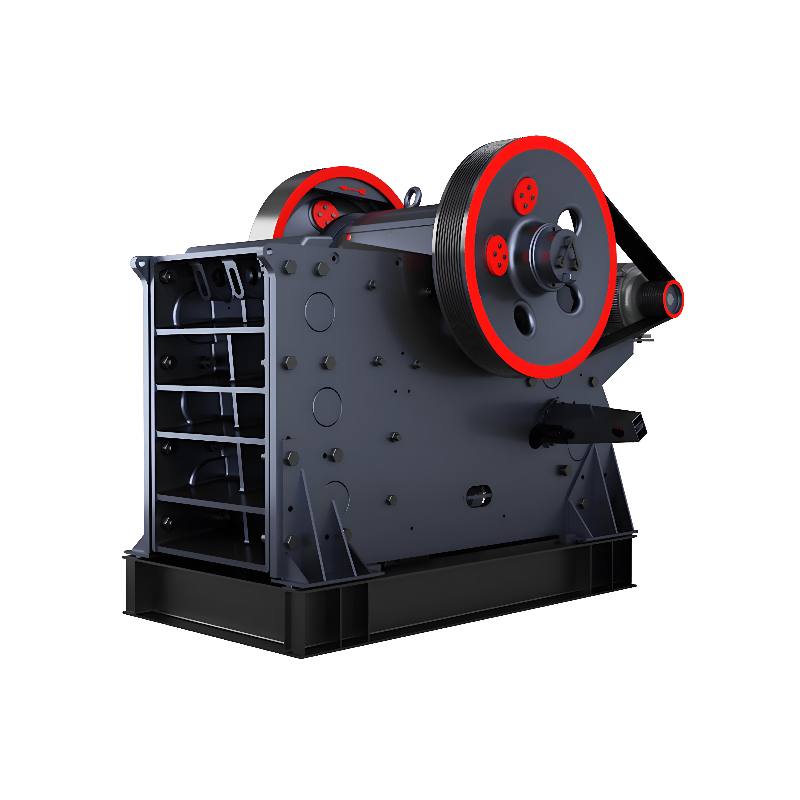
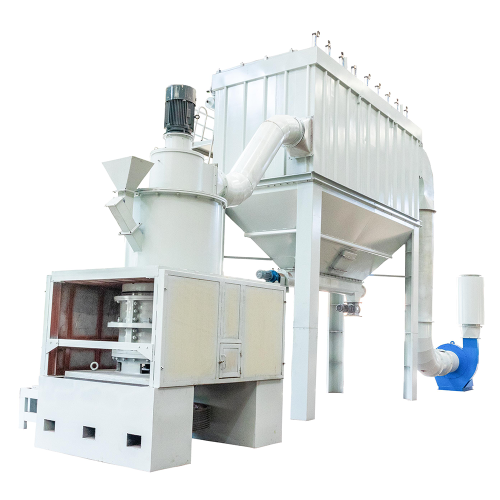
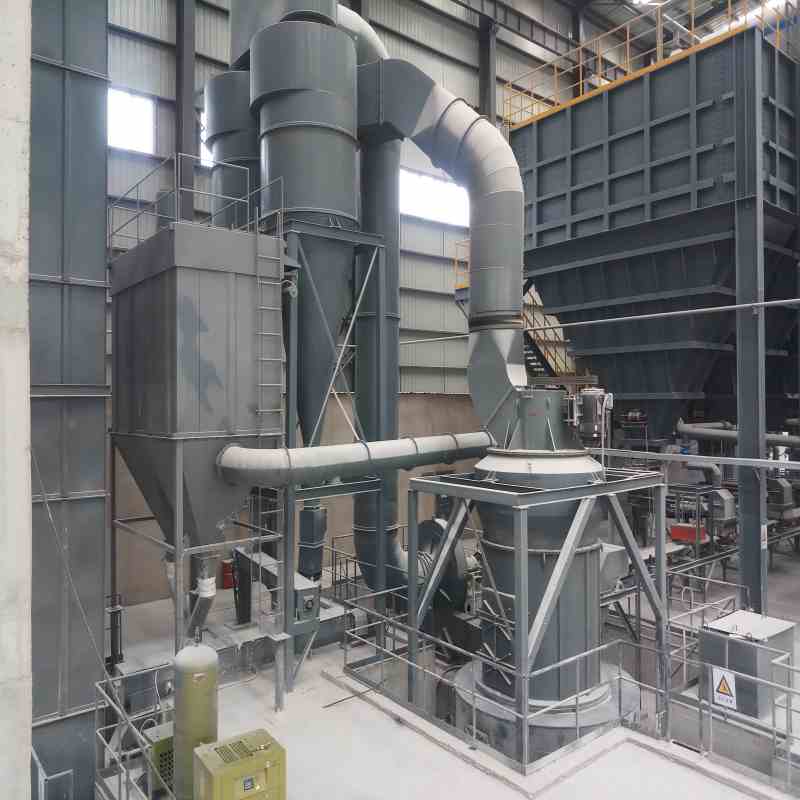
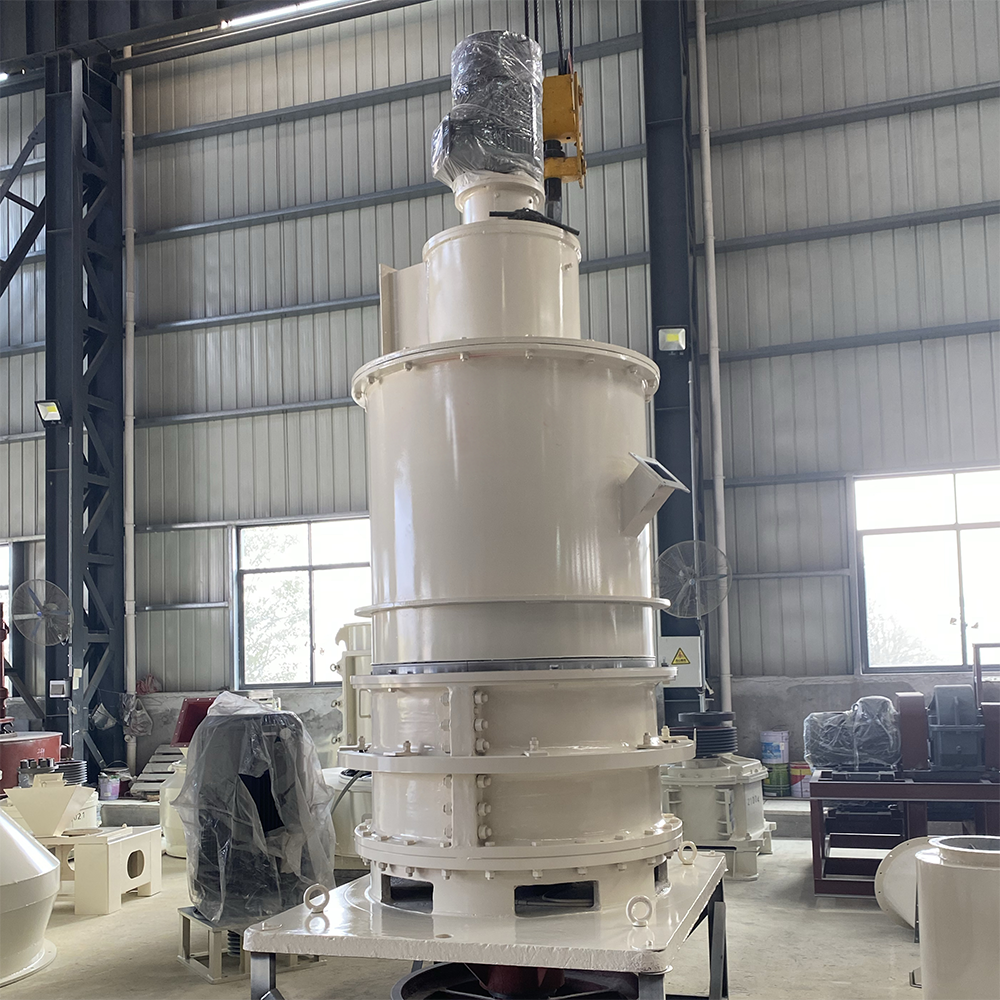
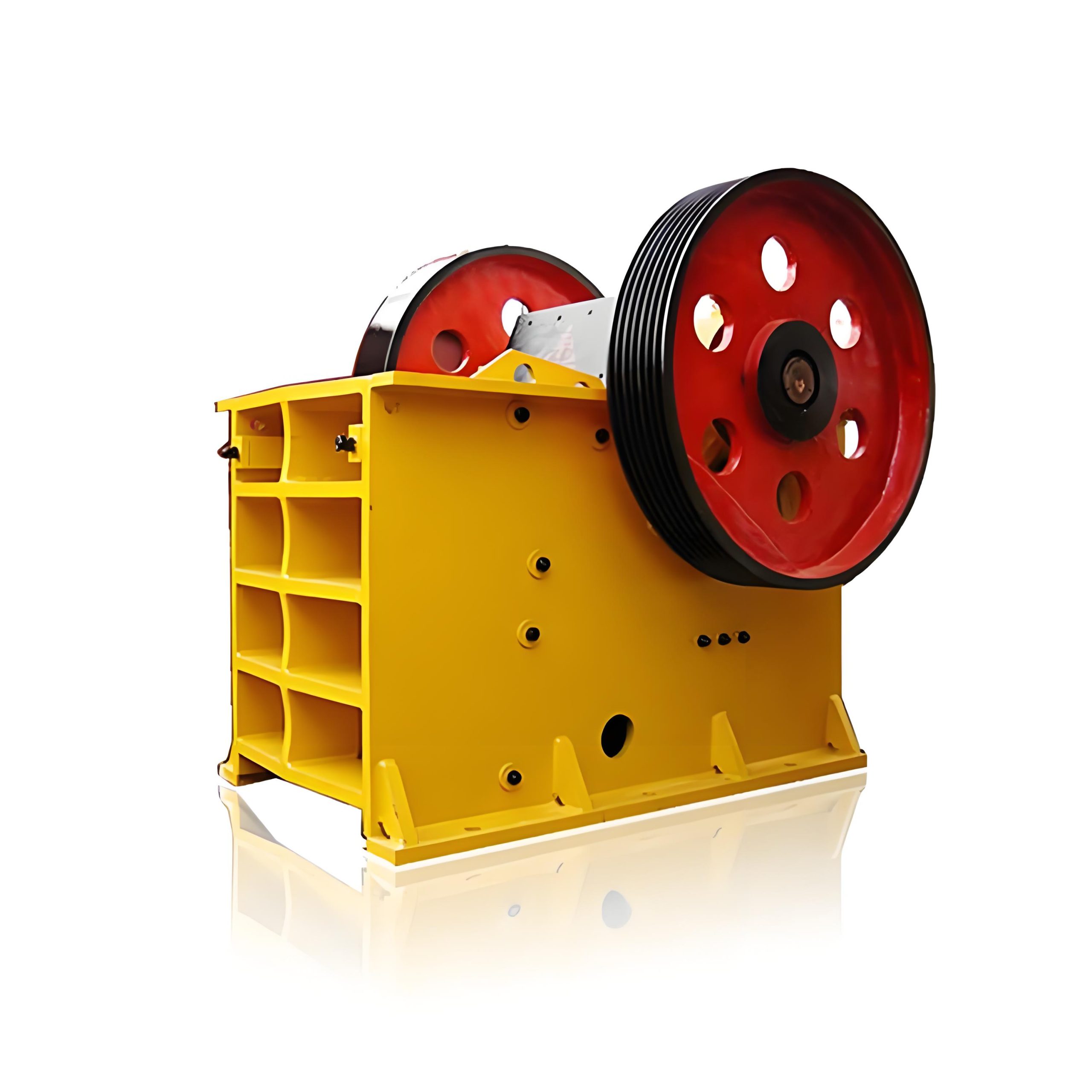
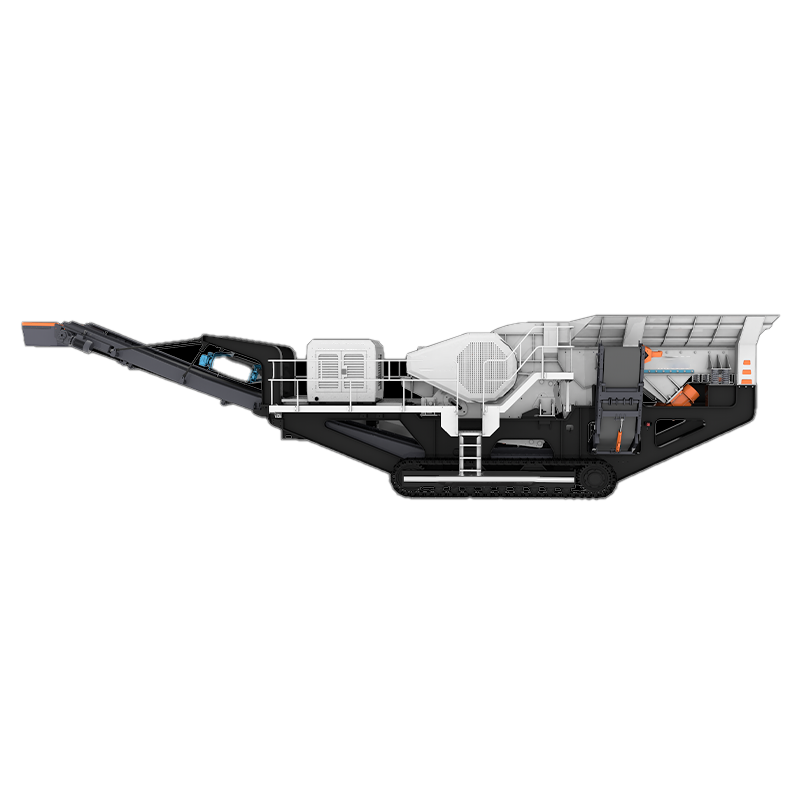
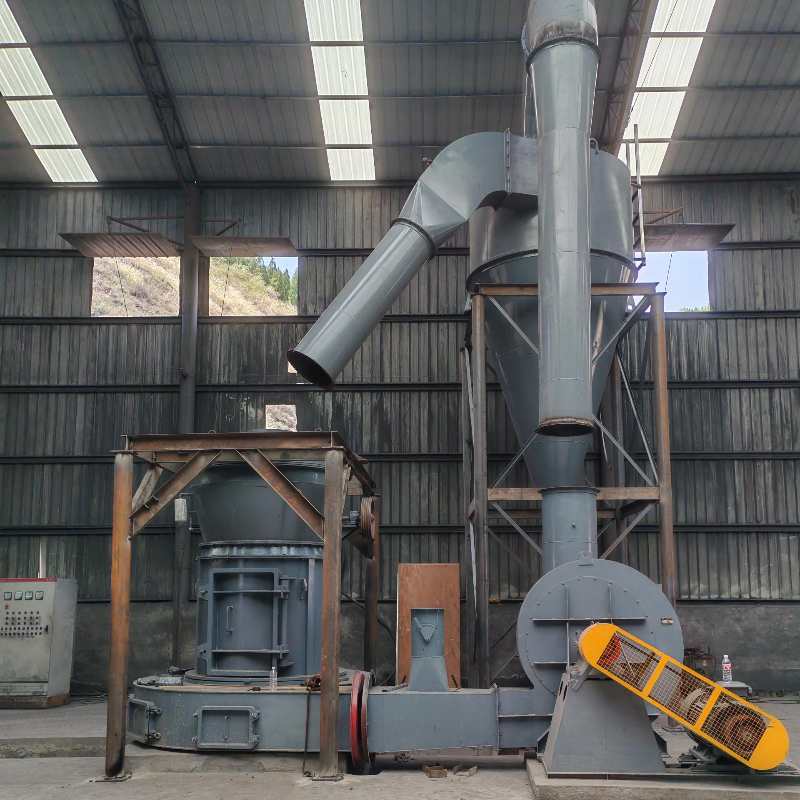
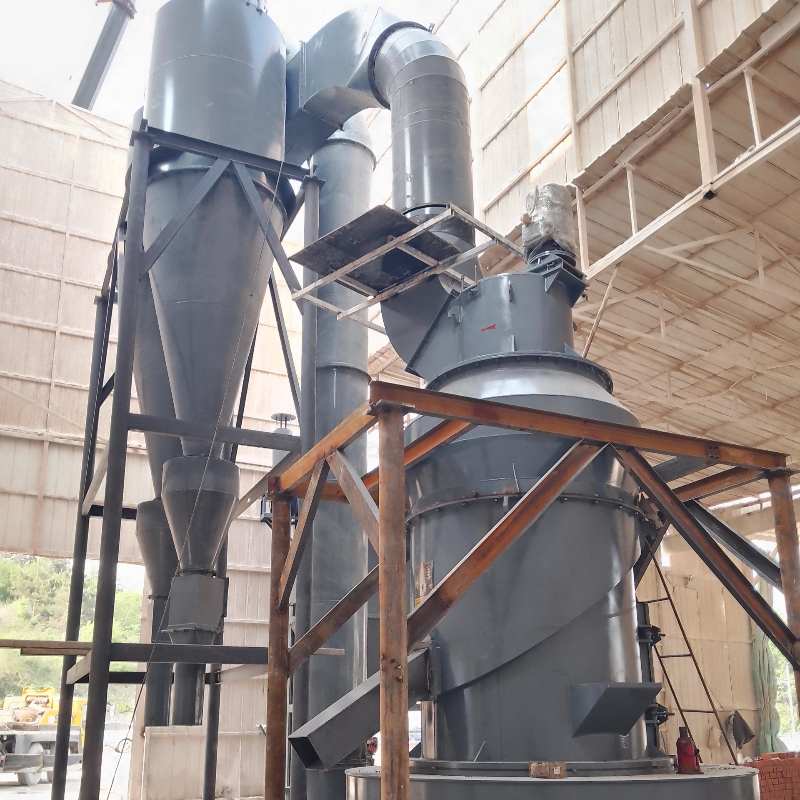
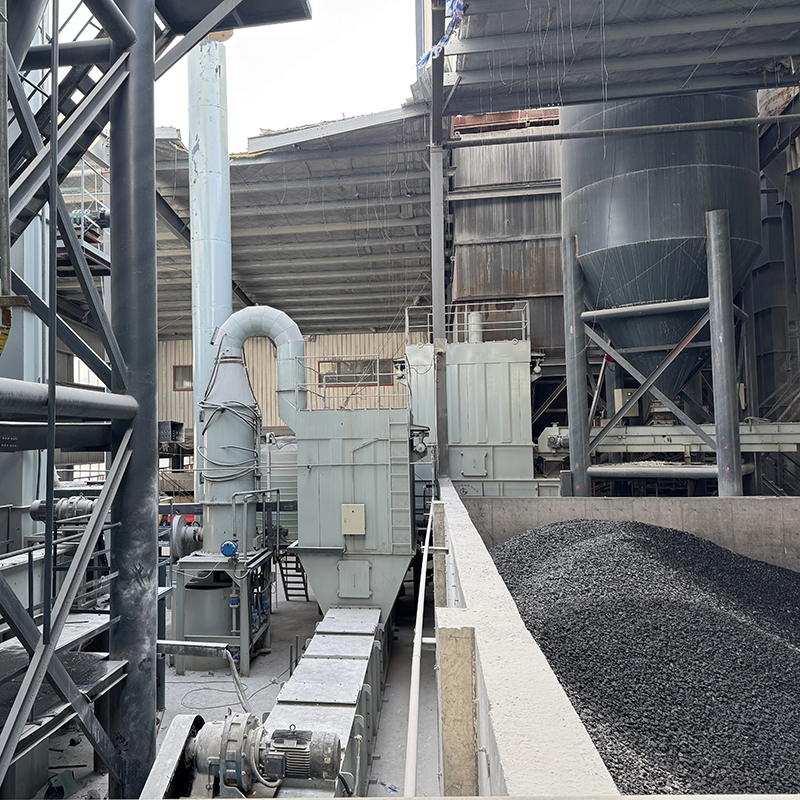
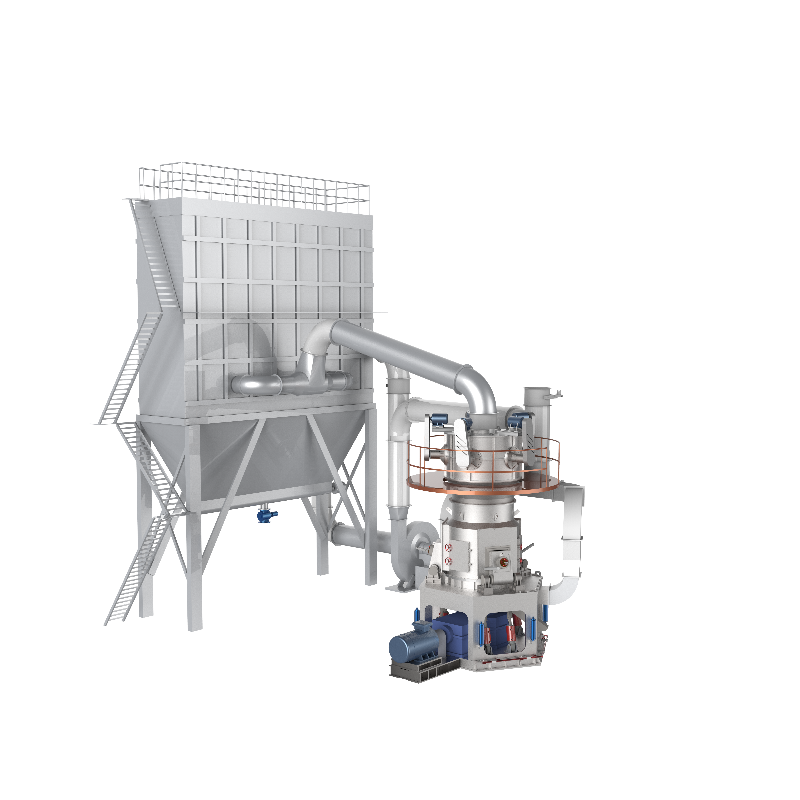
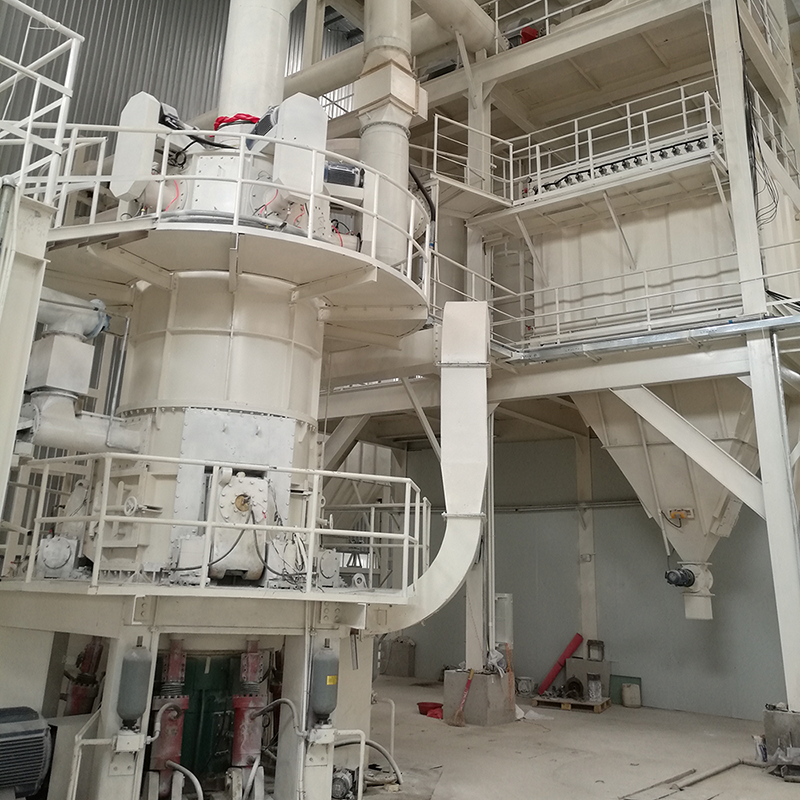
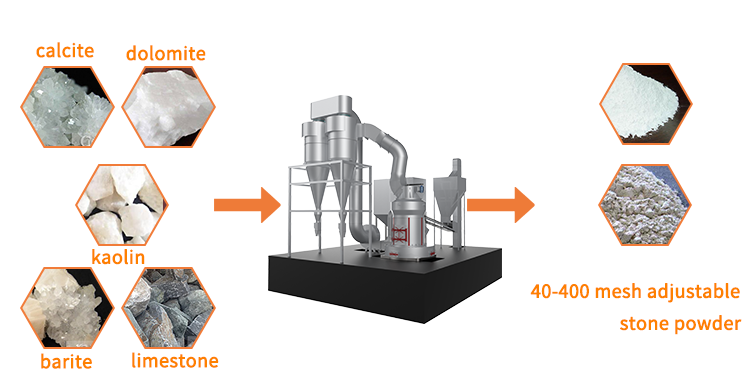
The Raymond mill is a powerful assistant in graphite processing. After the raw materials are crushed by the crusher, they are sent to the main body of the Raymond mill by the vibrating feeder. Under the action of centrifugal force, the grinding rollers rotate and grind against the grinding rings. The scraper sends the materials between the grinding rollers and the grinding rings for crushing. The fine powder is sent to the analyzer by the airflow for screening. The fine powder that meets the requirements is collected, while the coarse powder is returned for re-grinding.
I. Common Problems in Processing Graphite with Raymond Mill
The properties of graphite affect the effect of production and processing. Due to its soft texture, adhesion is prone to occur during processing, which requires strict control of particle size integrity during the processing. Meanwhile, the high lubricity of graphite may cause equipment slippage, and targeted measures need to be taken to prevent it. To ensure processing efficiency, it is necessary to precisely control all process parameters.
During the processing of graphite by Raymond mill, the common problems mainly focus on two aspects: insufficient production efficiency and poor particle uniformity. The key factors affecting production efficiency include: excessively high hardness of raw materials, excessive moisture content, overly large initial particle size, as well as problems such as slippage of the grinding rollers or poor ventilation system of the equipment itself.
Ii. Improvement Measures for Processing Graphite with Raymond Mill
To address these issues, improvement measures include: optimizing material properties and conducting pretreatment; Check and adjust the pressure of the grinding roller, and replace the worn parts if necessary. Increase the speed of the fan and clean the pipes to ensure smooth ventilation. The uneven particle size is mainly caused by the inappropriate rotational speed of the classifier and the wear of the blades. It can be solved by adjusting the rotational speed of the classifier wheel and regularly replacing the worn blades, while ensuring the accuracy of the equipment installation. Dust leakage problems are usually caused by aging of seals, insufficient negative pressure or malfunctions in the dust removal system. To avoid this situation, it is necessary to regularly inspect and replace the aged sealing materials, maintain the dust removal system (including cleaning or replacing the filter bags), and ensure the normal operation of the fan by increasing the negative pressure.
Iii. The significant advantages of Raymond Mill in Graphite Processing
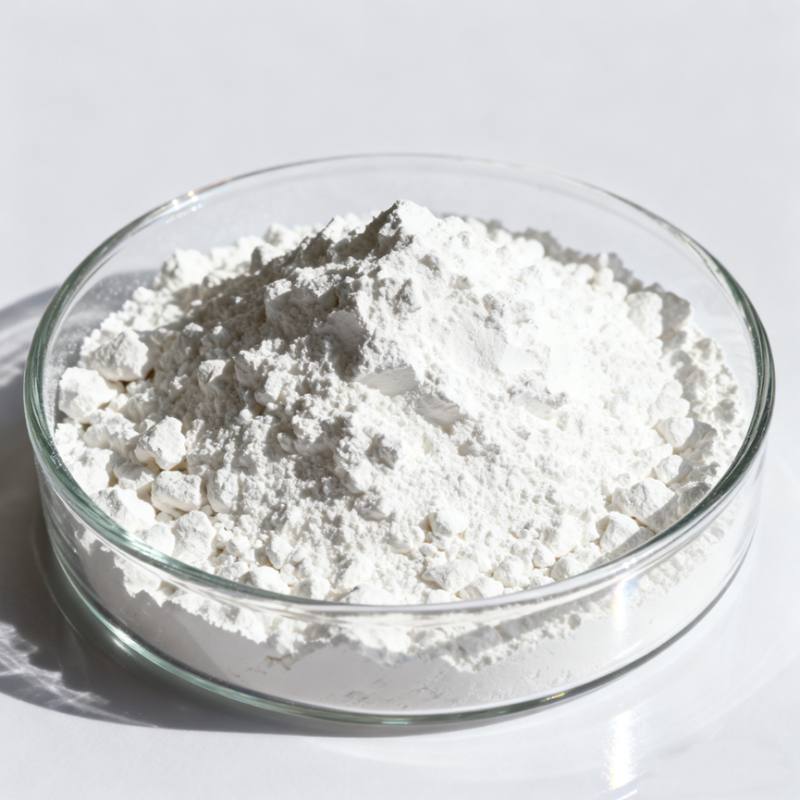
The Raymond mill features highly efficient crushing performance and is suitable for soft materials such as graphite. It is equipped with an advanced classification system, and the particle size can be controlled from 80 to 1500 mesh. The unique lamination principle maintains the graphite structure, with concentrated particle size distribution, low temperature rise and anti-oxidation. Fully enclosed negative pressure operation ensures high dust removal efficiency and a 35% reduction in energy consumption. The wear-resistant alloy components have a long service life and are intelligently controlled. The equipment has low cost, is easy to maintain and occupies a small area.
Conclusion
By optimizing key parameters such as the pressure of the grinding rollers and the rotational speed of the classifier, the Raymond mill can fully leverage its performance advantages in the field of graphite processing, achieving efficient and low-consumption large-scale production while ensuring product quality. Its excellent cost performance makes it the preferred equipment in the field of graphite processing.