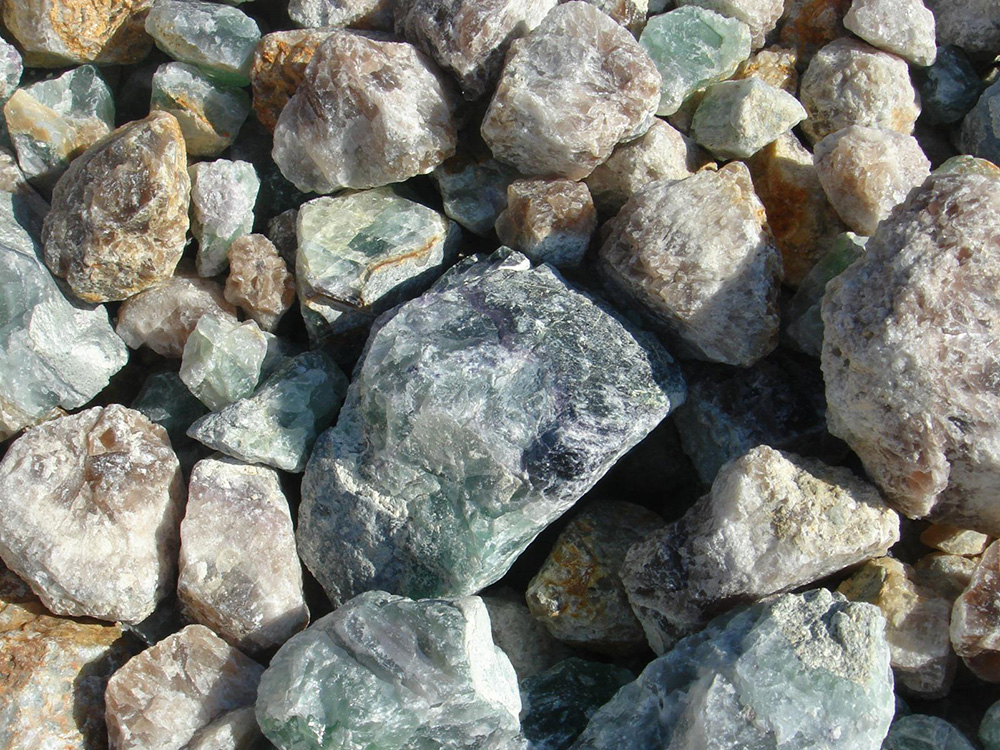
Spodumene is a lithium-containing mineral with the chemical name lithium aluminum silicate. It is an important lithium mineral and one of the main raw materials currently used in the lithium industry. Spodumene usually appears in gray, green or light pink, and sometimes it can also take on a transparent to semi-transparent crystal form. Its chemical formula is LiAl(SiO3)2, which contains lithium, aluminum, silicon and oxygen elements.
Spodumene Process flow
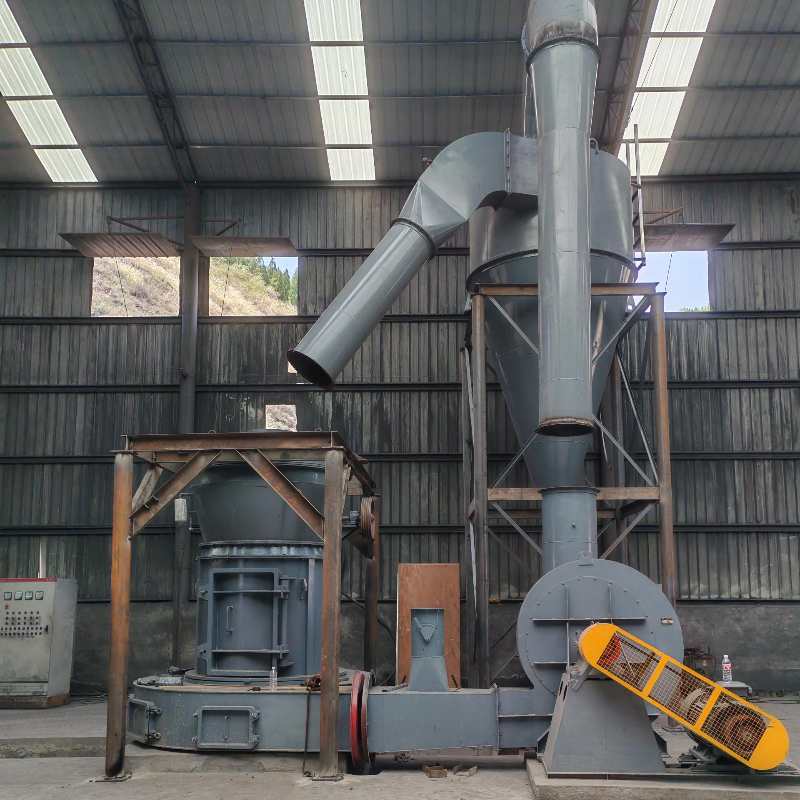
Phase One: Crushing
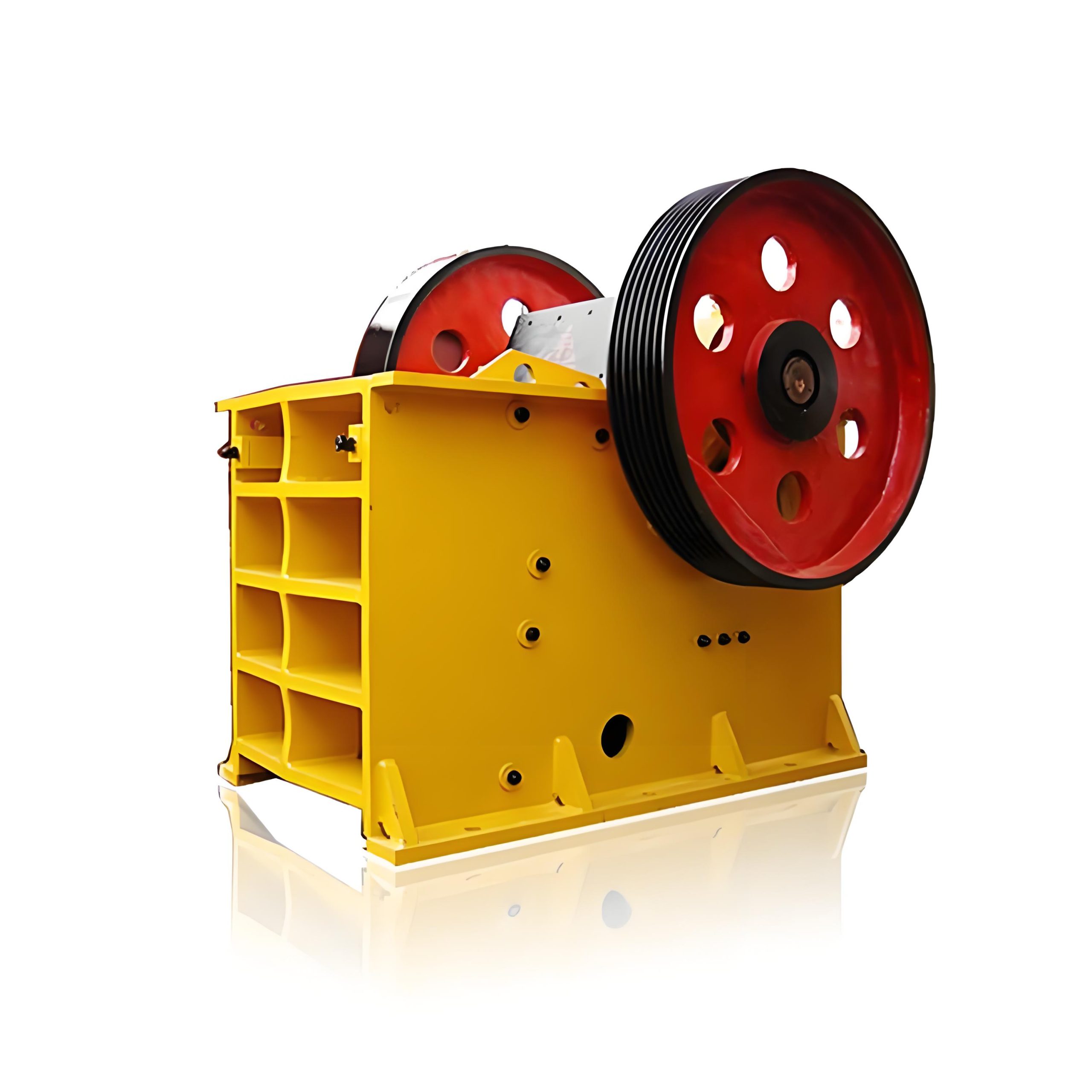
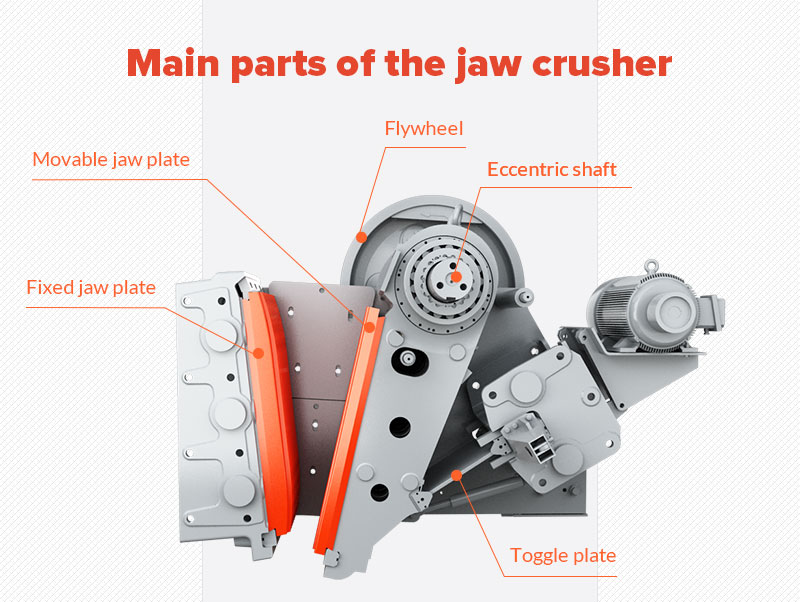
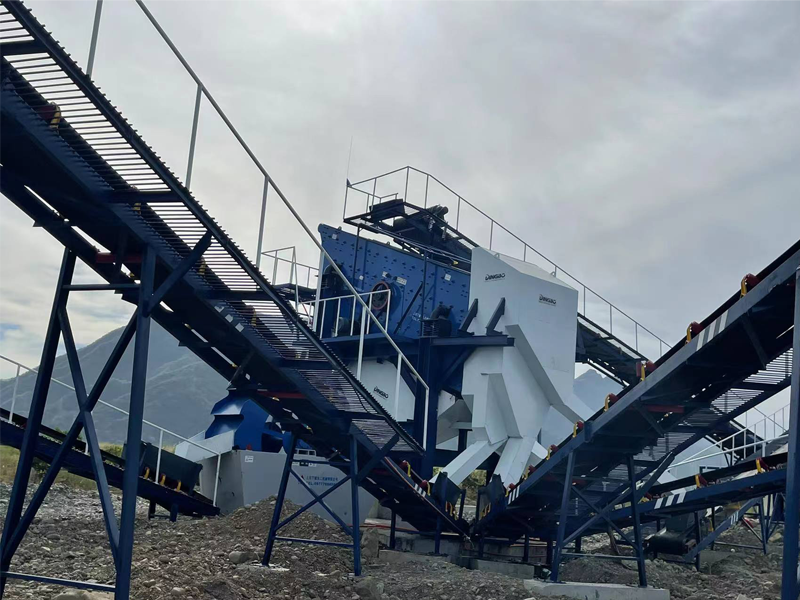
The raw spodumene ore is preliminarily crushed through crushing equipment (such as crushers, hammer crushers, etc.) to break the ore blocks into smaller particles.
Phase Two: Grinding
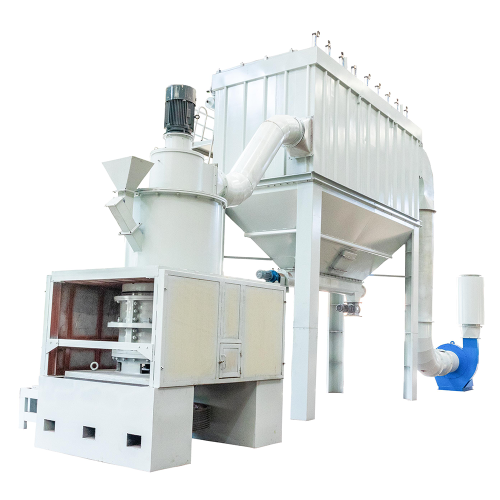
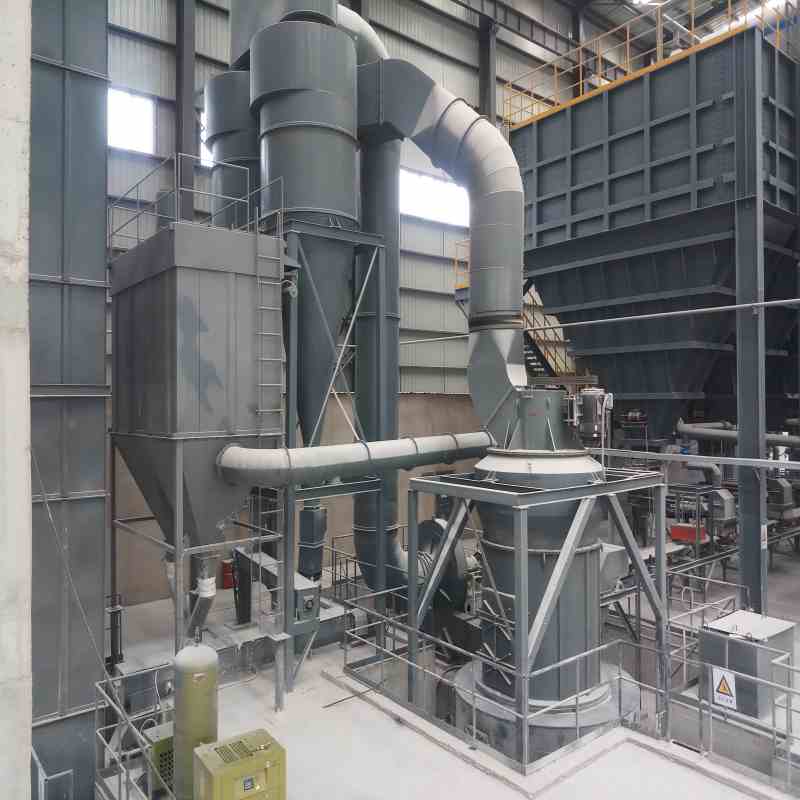
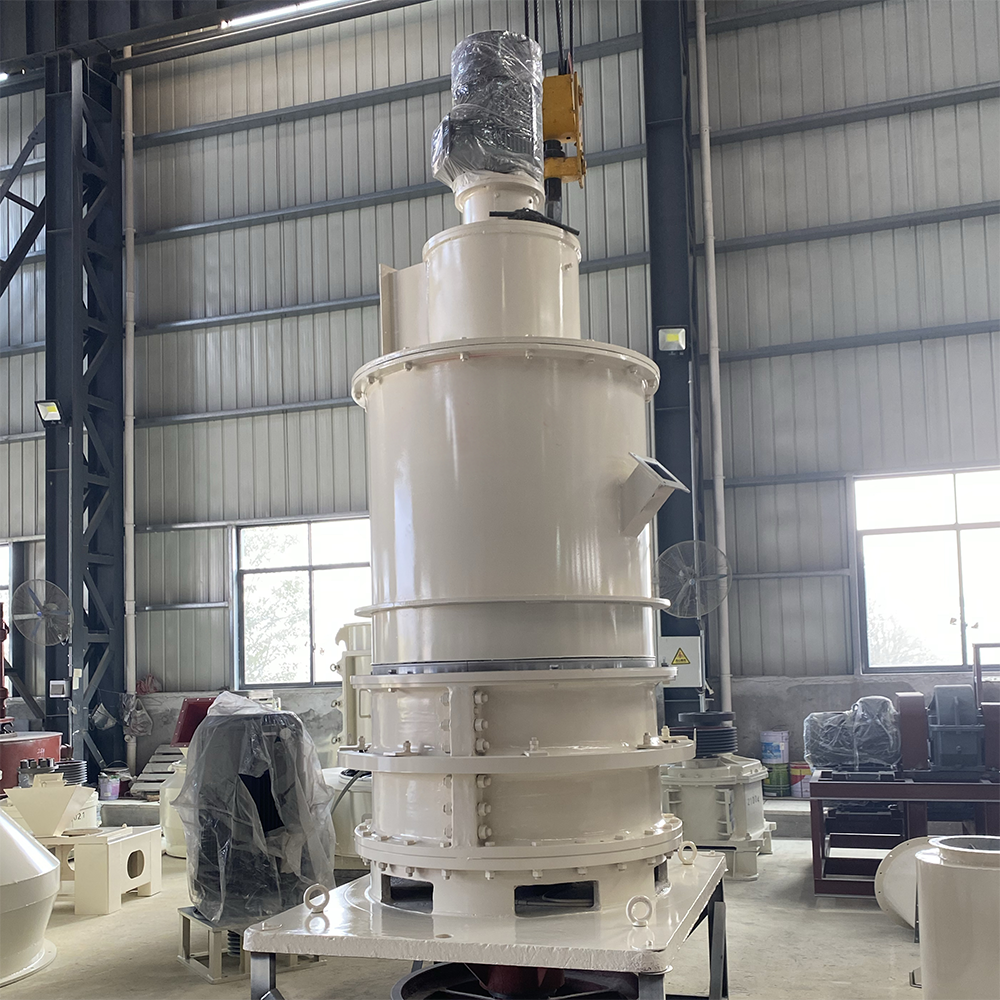
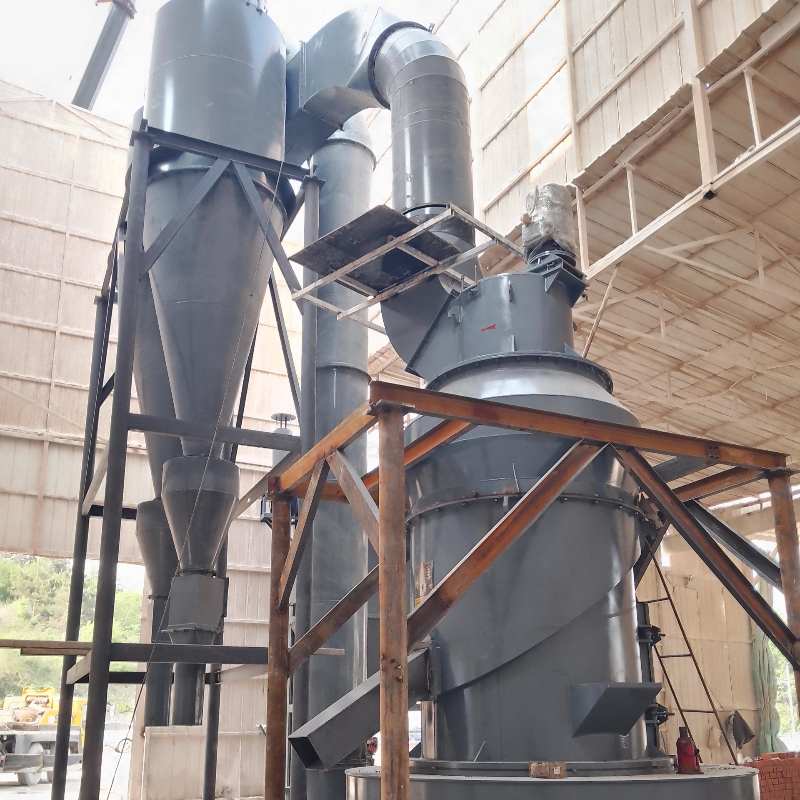
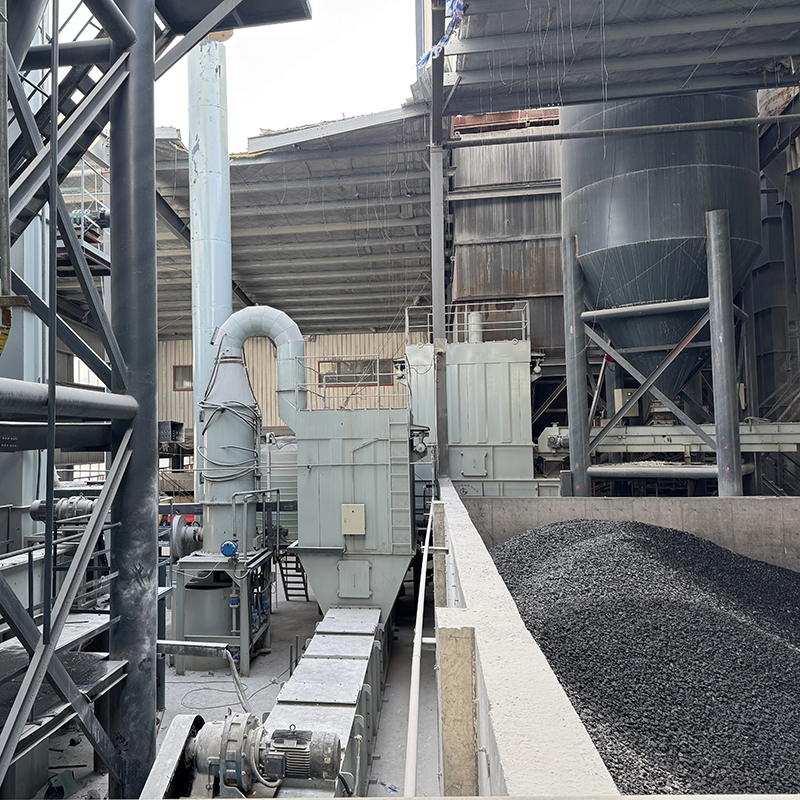
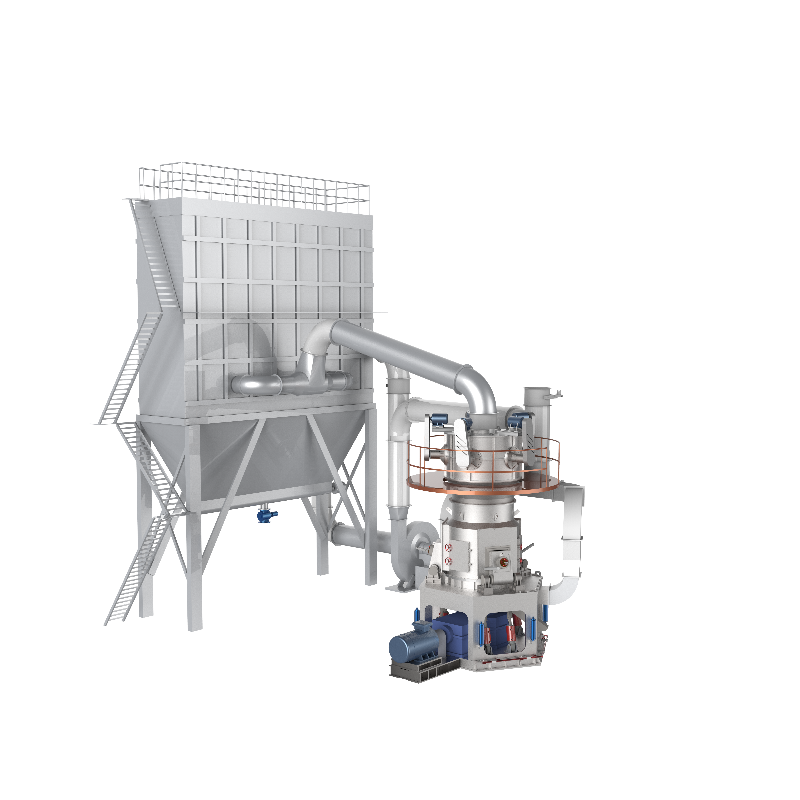
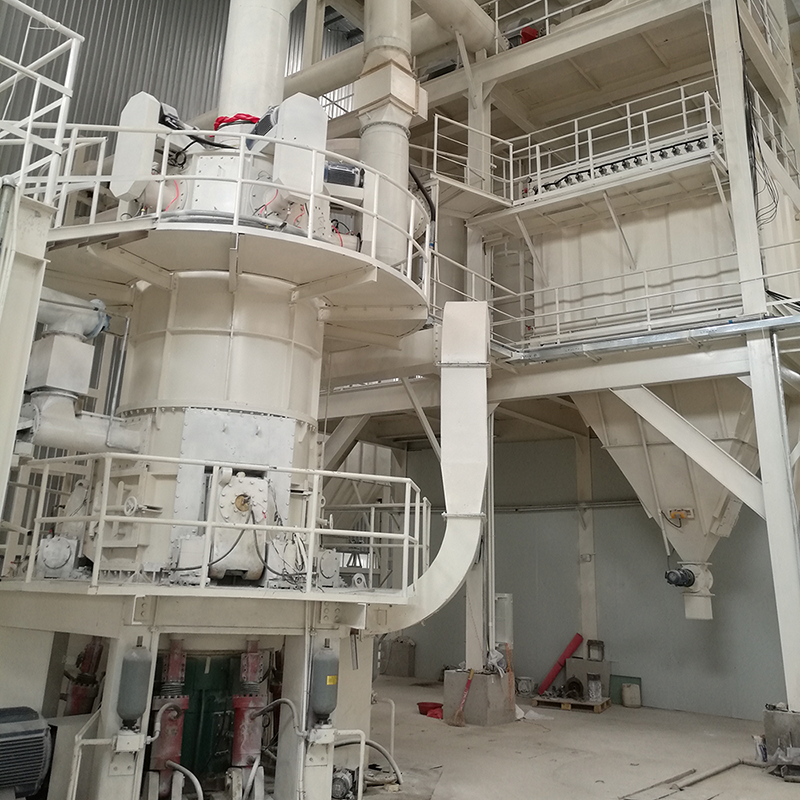
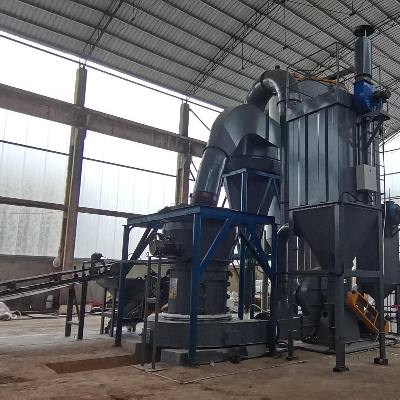
The crushed spodumene particles are sent into the grinding equipment for fine grinding treatment. Commonly used grinding equipment includes vertical grinding mills, ball mills, etc. Through grinding operations, the spodumene particles are further refined into the required powder form.
Phase Three: Grading
The ground spodumene powder is usually classified to obtain a particle size distribution that meets the requirements. Classification can be carried out through equipment such as vibrating screens and cyclones, where powders are categorized according to different sizes to obtain the required particle size grades.
Phase Four: Magnetic separation
Spodumene ore may contain some magnetic minerals or impurities. To improve the purity of spodumene, magnetic separation operations can be carried out. Magnetic separation equipment (such as magnetic separators, magnetic separation rollers, etc.) can remove magnetic impurities and improve the quality of spodumene.
Phase Five: Drying
After grinding, spodumene powder usually needs to undergo drying treatment to remove moisture content, improve stability and storability. Commonly used drying equipment includes rotary dryers, air flow dryers, etc.
Phase Five: Packaging and Storage
The spodumene powder processed by the grinding process will be packaged and properly stored for subsequent transportation and use.
Note: The specific process flow may vary due to differences in the nature of the ore, product requirements, and production equipment. In practical applications, it is necessary to carry out process design and adjustment based on specific circumstances.
Main uses
Lithium-ion battery production: Spodumene is an important raw material for the production of lithium-ion batteries. Lithium-ion batteries are widely used in mobile electronic devices (such as mobile phones and tablet computers), electric vehicles, energy storage systems and other fields. Spodumene provides lithium as the cathode material for batteries, featuring high energy density, long lifespan and excellent charge and discharge performance.
Glass and ceramic industry: Spodumene can be used as an additive in the ceramic and glass industries, providing the function of lithium. Lithium in glass and ceramics can improve their physical and chemical properties, increase transparency, heat resistance and corrosion resistance, and endow the products with better performance and quality.
The lithium element in spodumene can be used as an electrolyte additive in the aluminum smelting industry. The addition of lithium can enhance the electrical conductivity and stability of the electrolyte, and improve the efficiency and quality of aluminum smelting.
Chemical industry: The lithium element in spodumene can be used to prepare various lithium compounds, such as lithium salts, lithium hydrides, and lithium chemicals, etc. These lithium compounds are used in the chemical industry to synthesize catalysts, drugs, coatings, plastics and other products.
The nuclear energy industry: The lithium element in spodumene is also used in the nuclear energy industry as a heat-conducting material and neutron capture agent. Spodumene can provide stable thermal conductivity and is used for cooling and neutron control in nuclear reactors.
Summary
Spodumene, as a lithium-containing mineral, is mainly used in fields such as lithium-ion batteries, the glass and ceramic industry, the aluminum smelting industry, the chemical industry, and the nuclear energy industry. With the rapid growth of the lithium-ion battery market and the development of renewable energy, the demand for spodumene is also constantly increasing.