Tailings, as solid waste generated during mineral separation or extraction, not only occupy a large amount of land resources when stored for a long time, but also easily cause ecological problems such as soil pollution and eutrophication of water bodies, becoming a "thorn in the side" for the green development of the mining industry. However, with the continuous breakthroughs in resource recycling technology, tailings have long shed the label of "waste" - after scientific processing and treatment, their application value in the field of building materials has been fully activated, achieving a transformation from "environmental burden" to "resource wealth".
The application scenarios of tailings in building materials after deep processing are very extensive, covering various green building material categories such as aerated concrete blocks, autoclaved bricks, foamed concrete, and mineral wool. Take quartz tailings as an example. The aerated concrete wall material made from it has the advantages of being lightweight, heat-insulating and impermeable. Its bulk density is only one-third of that of traditional red bricks. It not only significantly reduces the load of the main building, but also improves the construction efficiency, and is highly favored in the field of prefabricated buildings.
In addition, after simple screening treatment, tailings can also be used as road base fillers or temporary facility bedding, achieving low-cost and highly adaptable resource utilization. It is worth noting that although the direct use of tailings as construction sand is limited by problems such as uneven fineness and residual harmful substances, these shortcomings can be completely overcome through refined deep processing, and the potential value can be maximized and released.
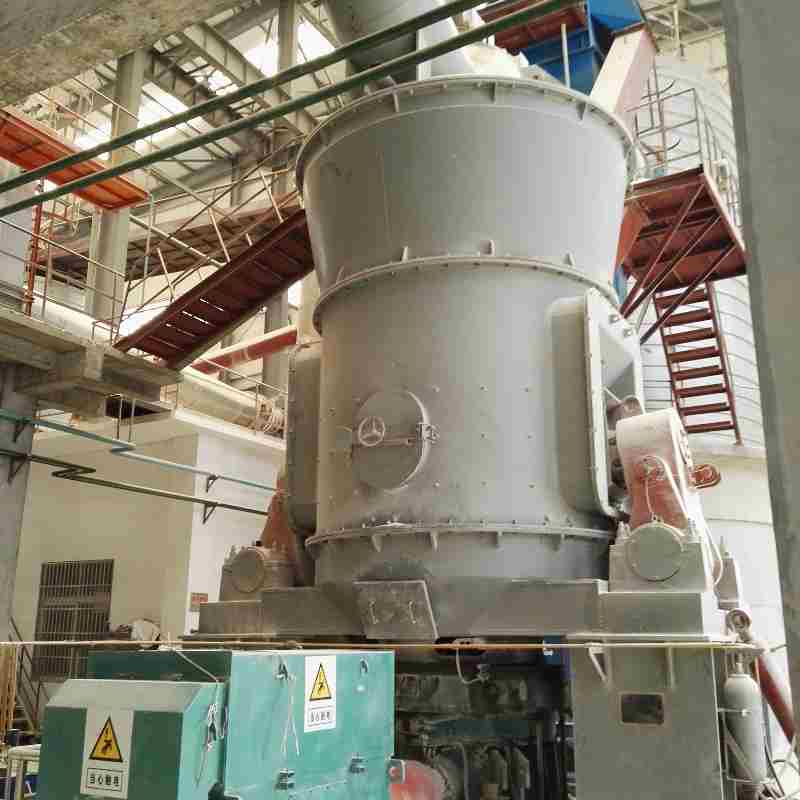
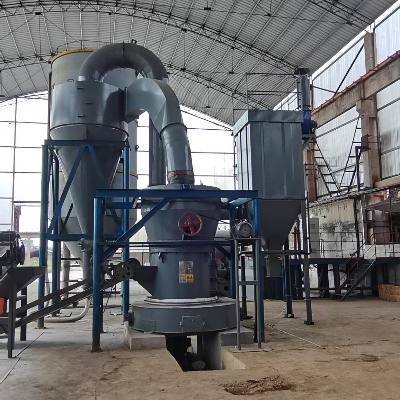
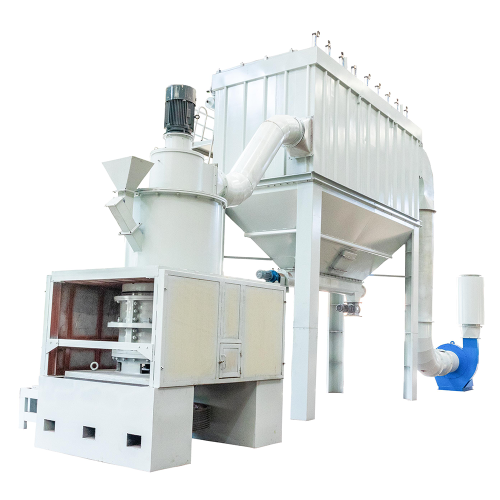
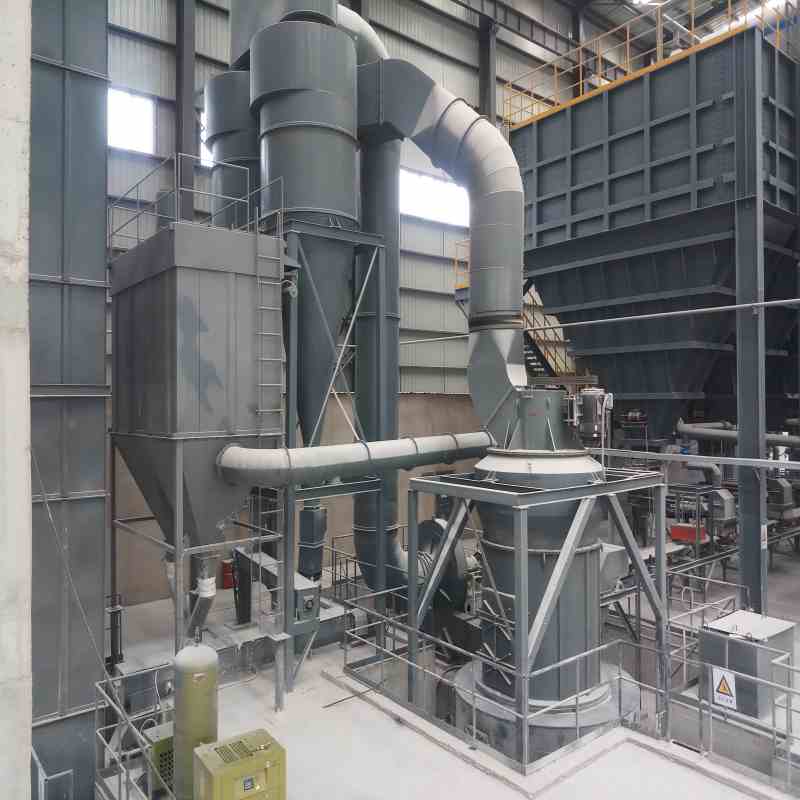
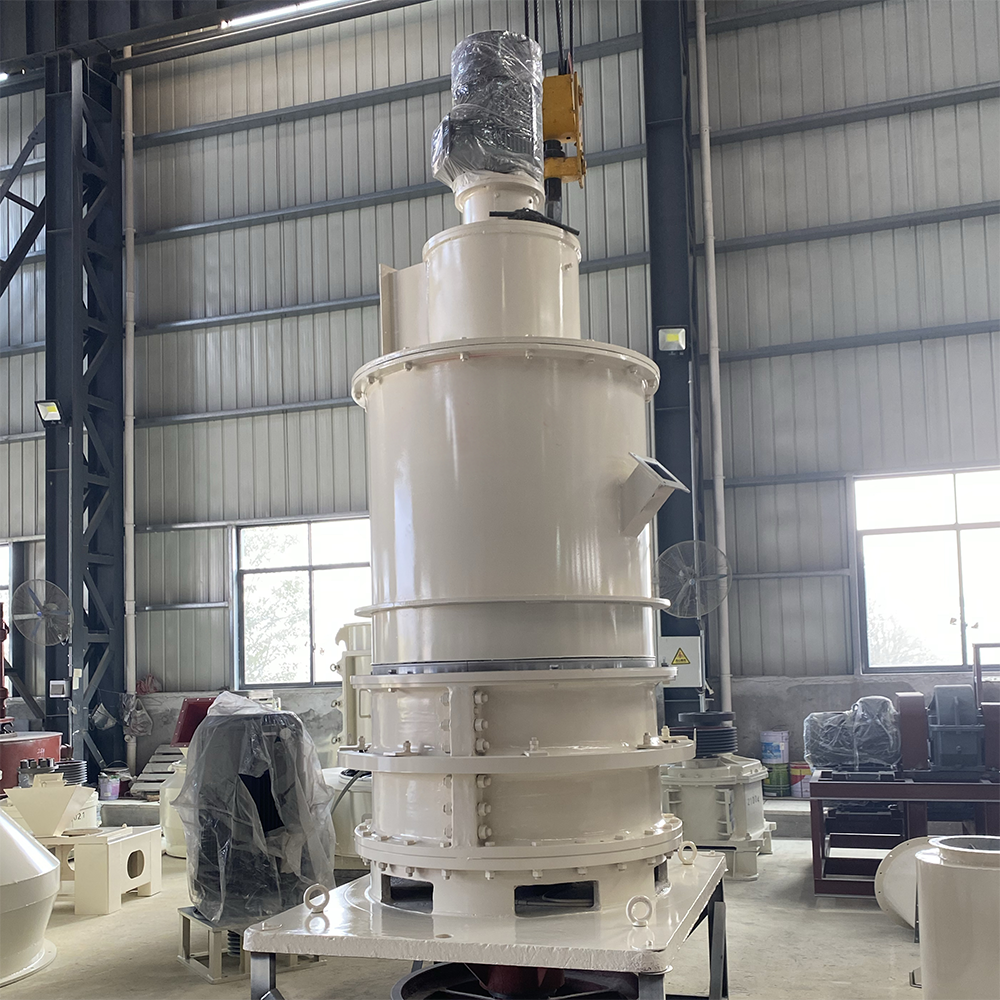
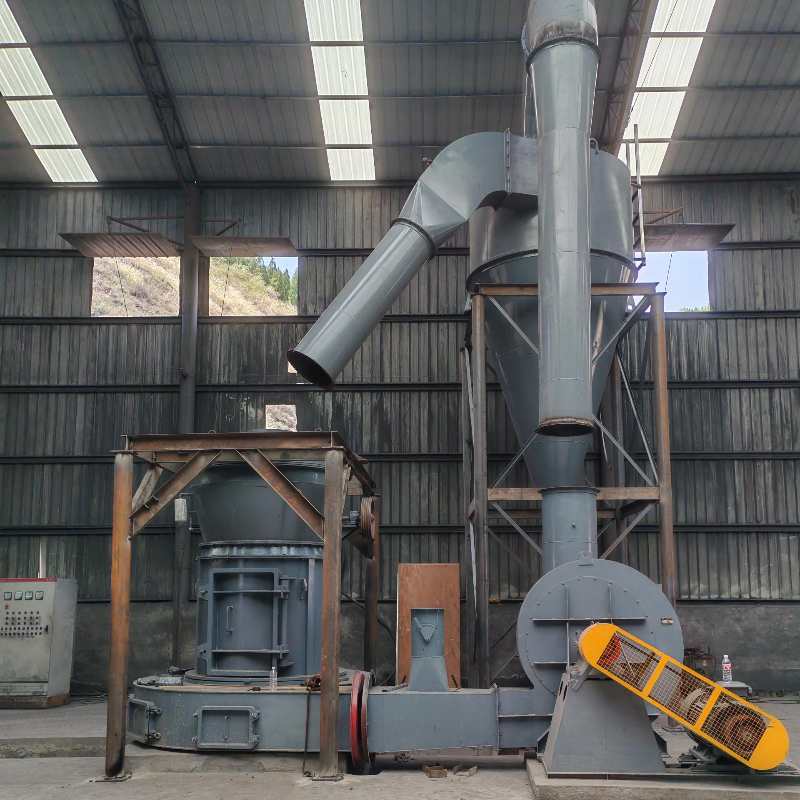
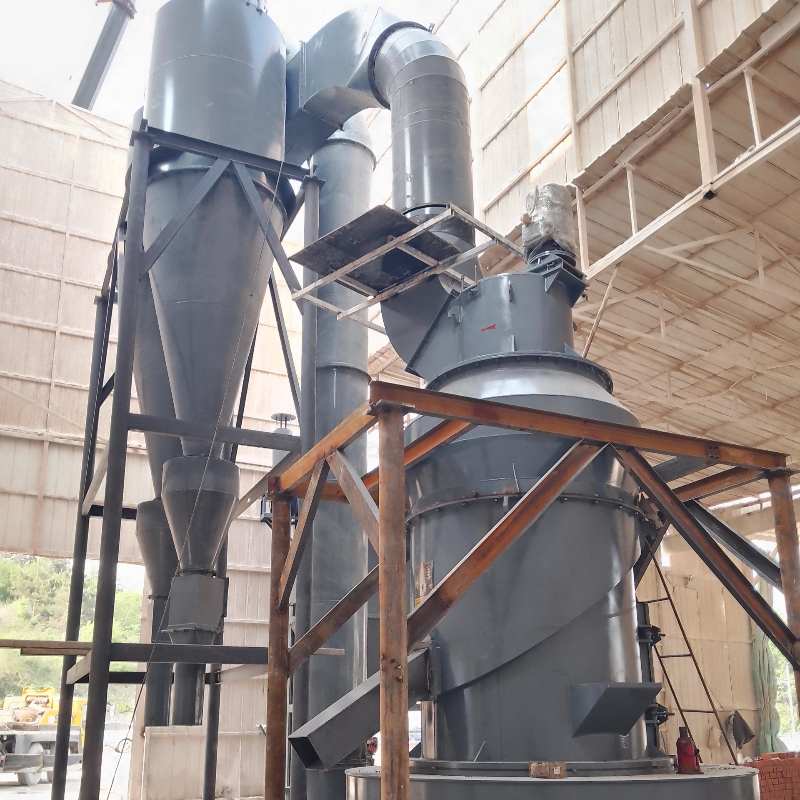
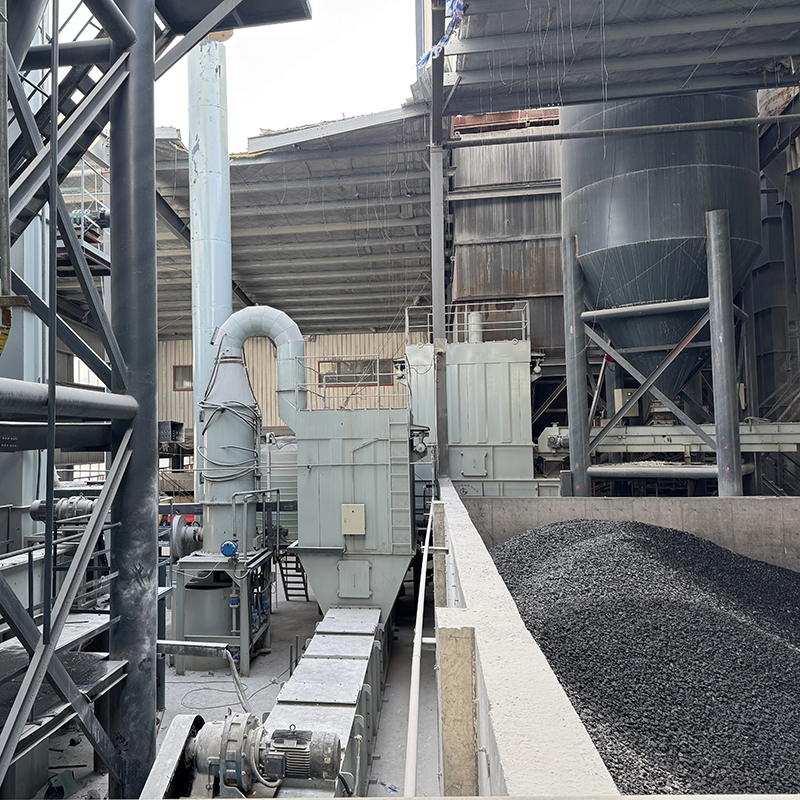
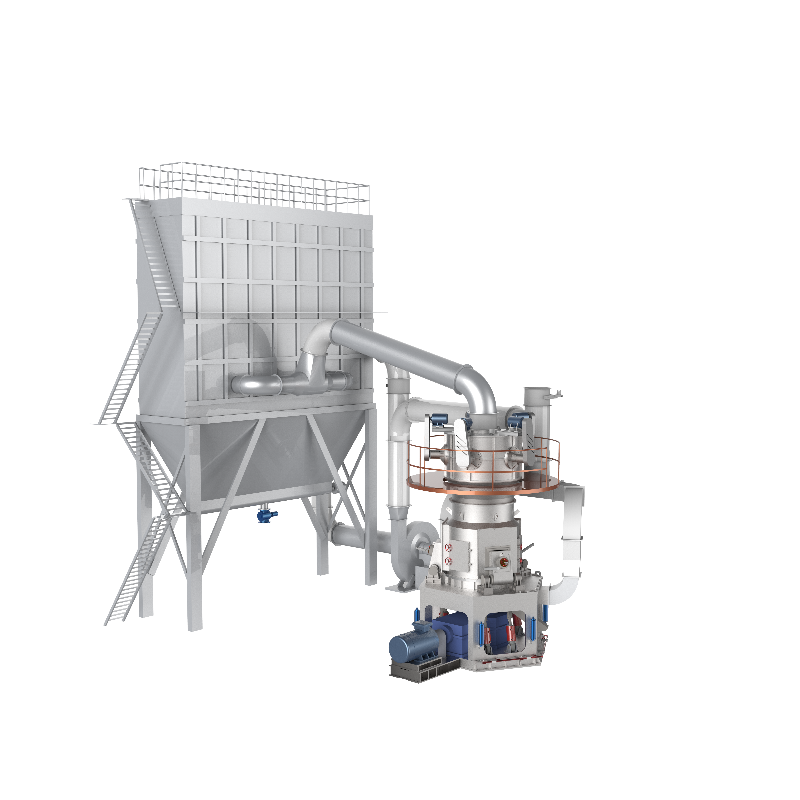
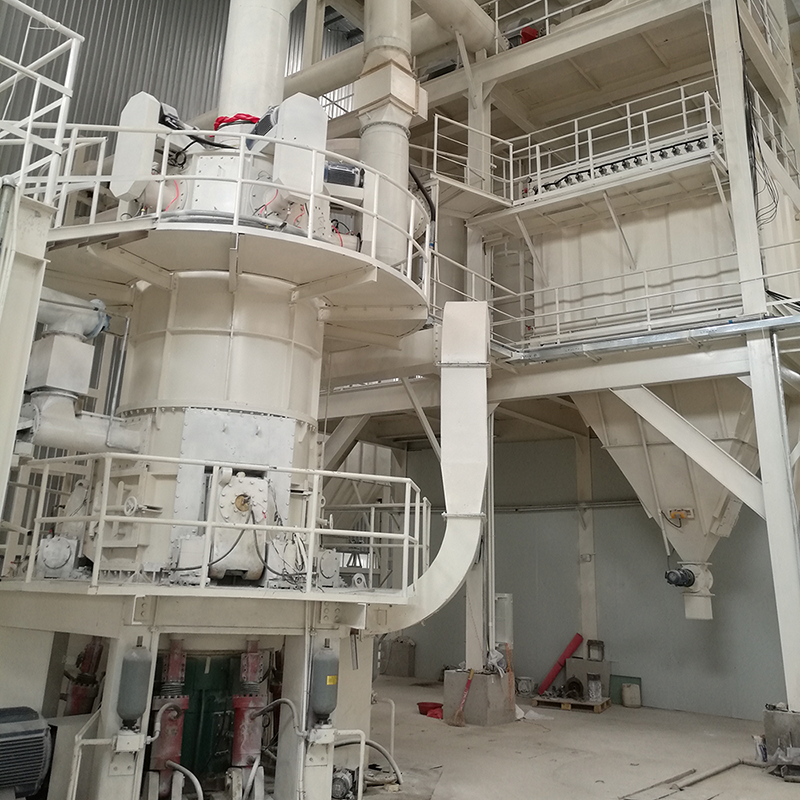
In the entire chain of tailings resource utilization, the vertical mill, as the core grinding equipment, plays an irreplaceable and crucial role. This highly efficient and energy-saving large-scale equipment integrates five major functions: crushing, drying, grinding, classification and conveying. It is particularly suitable for the conversion requirements of tailings into functional powders ranging from 22 to 180μm. The core working logic is based on the "material layer grinding" mechanism: The tailings are uniformly fed into the center of the grinding disc by the feeding system, and under the action of centrifugal force, they diffuse towards the edge of the grinding disc and are repeatedly crushed and crushed by the high-speed rotating grinding rollers.
Meanwhile, high-temperature hot air is sprayed into the grinding chamber from the air ring, drying the wet tailings while carrying fine powder particles into the classifier for classification. The qualified powder is collected by the dust collection system as finished products, while the coarse particles are automatically returned to the grinding disc for regrinding, forming a continuous closed-loop production process.
Compared with traditional grinding equipment, the advantages of vertical mills in tailings grinding are particularly prominent. From the perspective of process layout, its system flow is highly integrated, eliminating the need for additional auxiliary equipment such as powder separators and elevators. The equipment floor space is reduced by more than 40%, significantly lowering infrastructure investment and site costs. In terms of energy consumption control, the power consumption of the vertical mill is 20% to 30% lower than that of the traditional ball mill. Moreover, it has an extremely strong drying capacity and can directly process wet tailings with a moisture content of 15% to 20%, achieving an integrated operation of "drying - grinding", which significantly improves production efficiency.
In terms of environmental protection performance, the equipment operates in a negative pressure environment throughout the process. Combined with an efficient dust collection system, the dust emission concentration is far lower than the national standard, effectively improving the working environment. In addition, the intelligent automatic control system equipped on the vertical mill can achieve remote monitoring and precise parameter adjustment, further enhancing production stability and operational convenience.
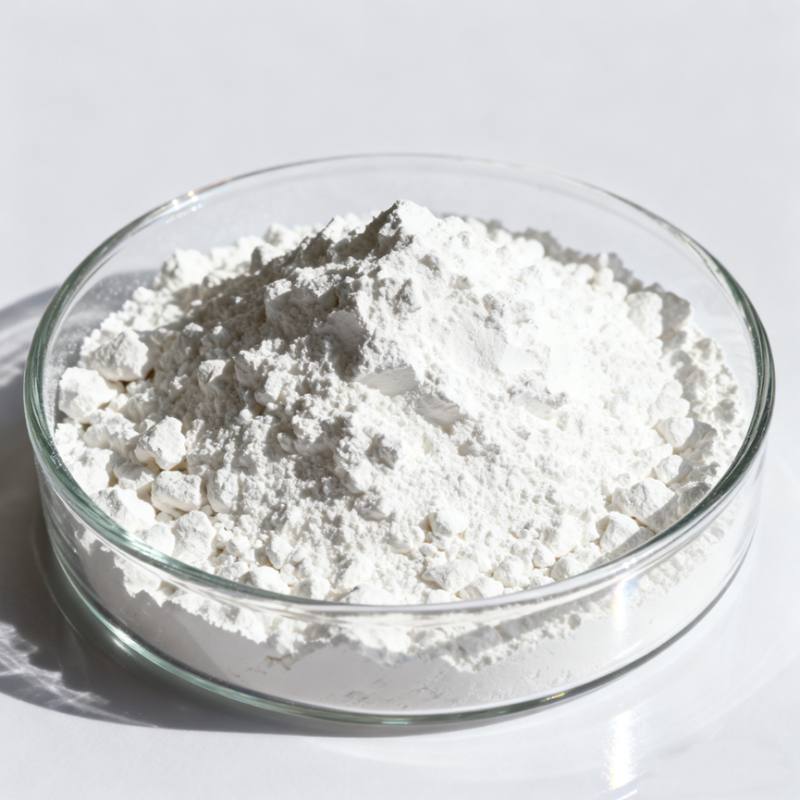
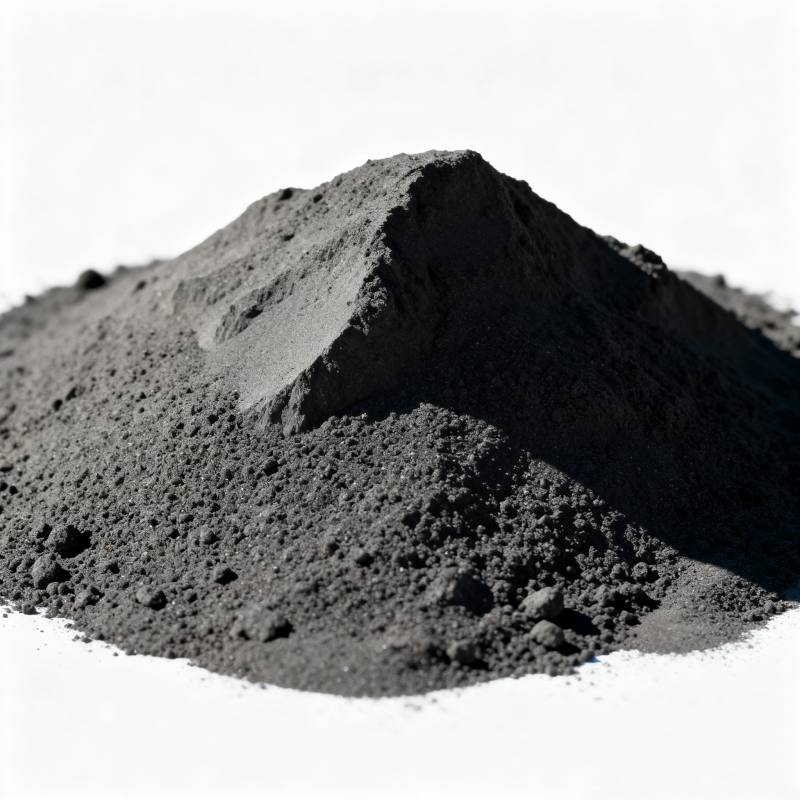
More importantly, the tailings powder produced by the vertical mill has the advantages of uniform particle size and high activity. When used as cement admixtures, concrete admixtures or raw materials for new wall materials, it can not only enhance the core performance of building materials such as compressive strength and durability, but also replace part of the natural aggregates, reducing the production cost of building materials by 10% to 15%. This combined advantage of "high-efficiency grinding + quality improvement + cost optimization" provides a solid technical support for the large-scale resource utilization of tailings.
Tailings, after deep processing by vertical mills, are transformed into high-quality building materials, essentially achieving dual benefits of "environmental governance" and "resource utilization". With its comprehensive performance of high efficiency, energy conservation and environmental protection, the vertical mill has become the core equipment that connects the entire chain of tailings resource utilization, promoting the in-depth integration of mining waste into the green circular economy system and injecting new impetus into the high-quality development of the mining industry.