Material Introduction
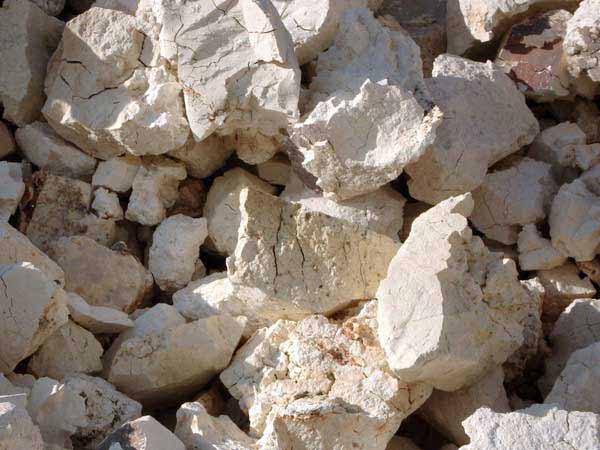
Bauxite is also known as alumina ore or felspar. Its core components include water alumina, kaolinite, etc., and it is also accompanied by oxides of iron, titanium, calcium, etc. As a soil-like mineral, its original color is white or grayish-white. Due to the presence of various impurities in natural production and its frequent coexistence with kaolinite mines, the determination criteria for it vary in different regions. Generally, the ore with an aluminum-silicon ratio greater than 2.5 is classified as available bauxite-type ore, and the main components of this type of ore are usually one water alumina. Aluminum is the most abundant metal element in the earth's crust, and therefore bauxite has very abundant reserves.
Industry Analysis
The global production of alumina and bauxite is increasing day by day. Research and analysis show that Australia has become the world's largest producer of bauxite, with a production of 70 million tons in 2011. The production of alumina in Asian countries, including China, Indonesia, and India, has also gradually increased, accounting for 45% of the global total supply. Ten years ago, it only accounted for 16%. The strong domestic demand has driven Chinese bauxite producers to seek mineral resources abroad, either by forming joint ventures or through acquisition to open up the bauxite market in foreign countries. The new projects are mainly concentrated in Australia, Guinea, Ghana, Indonesia, and Fiji.
Processing Technology Analysis
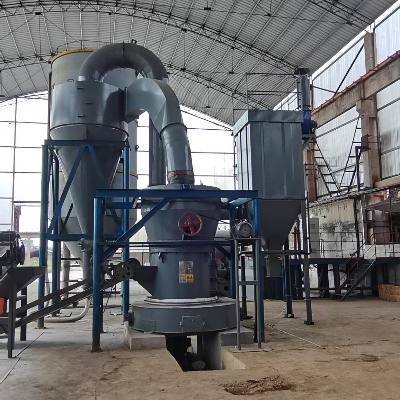
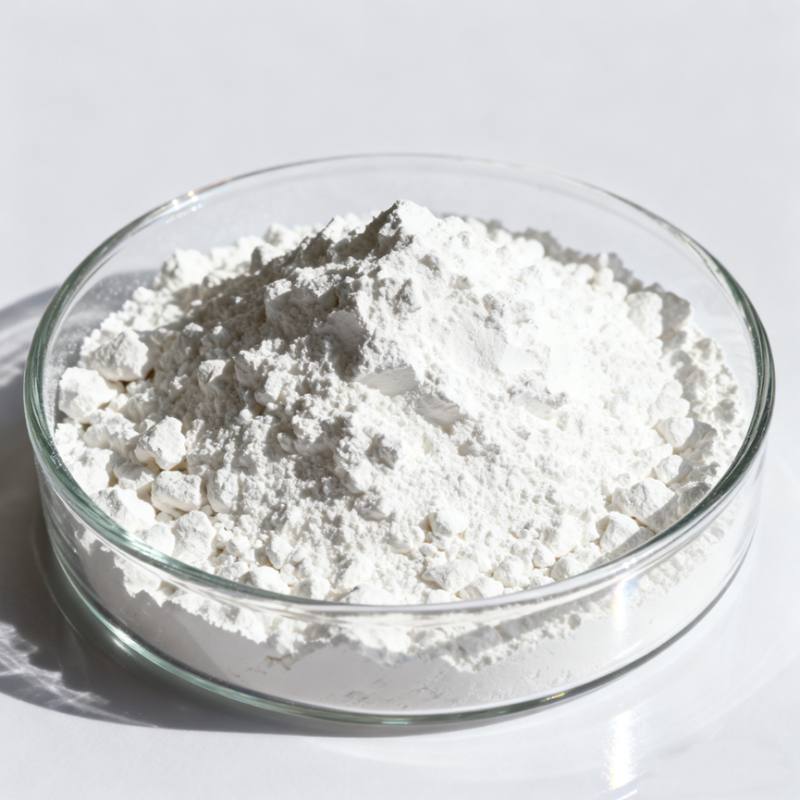
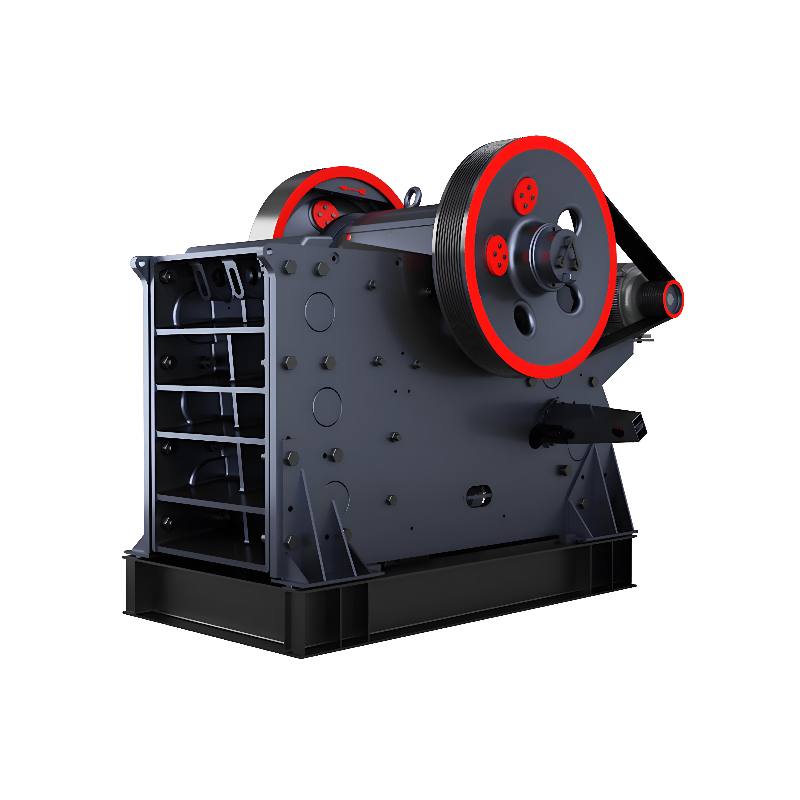
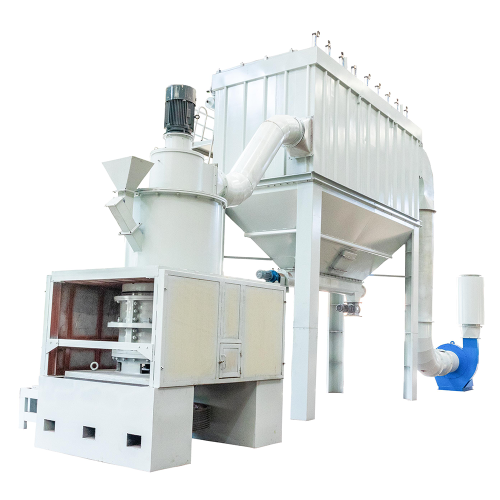
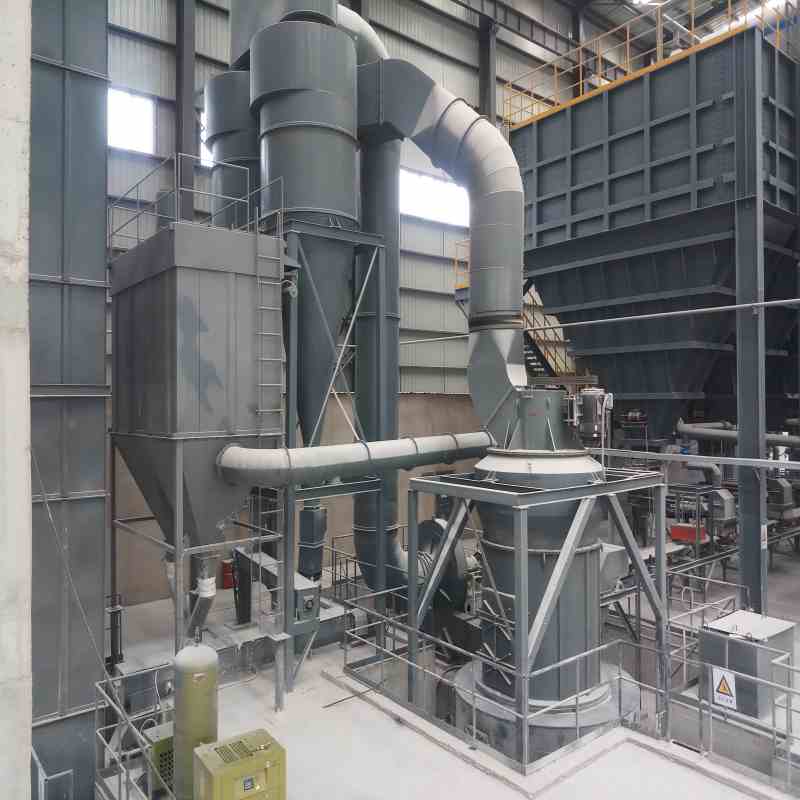
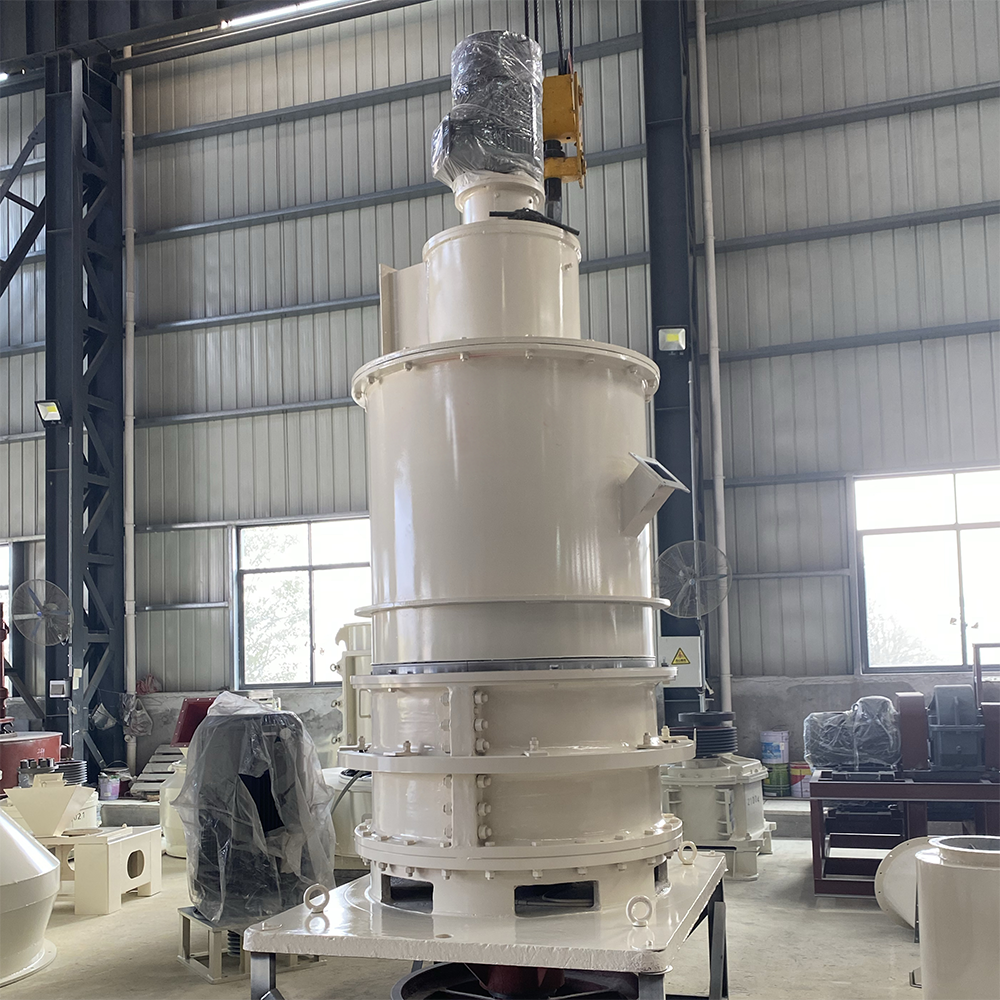
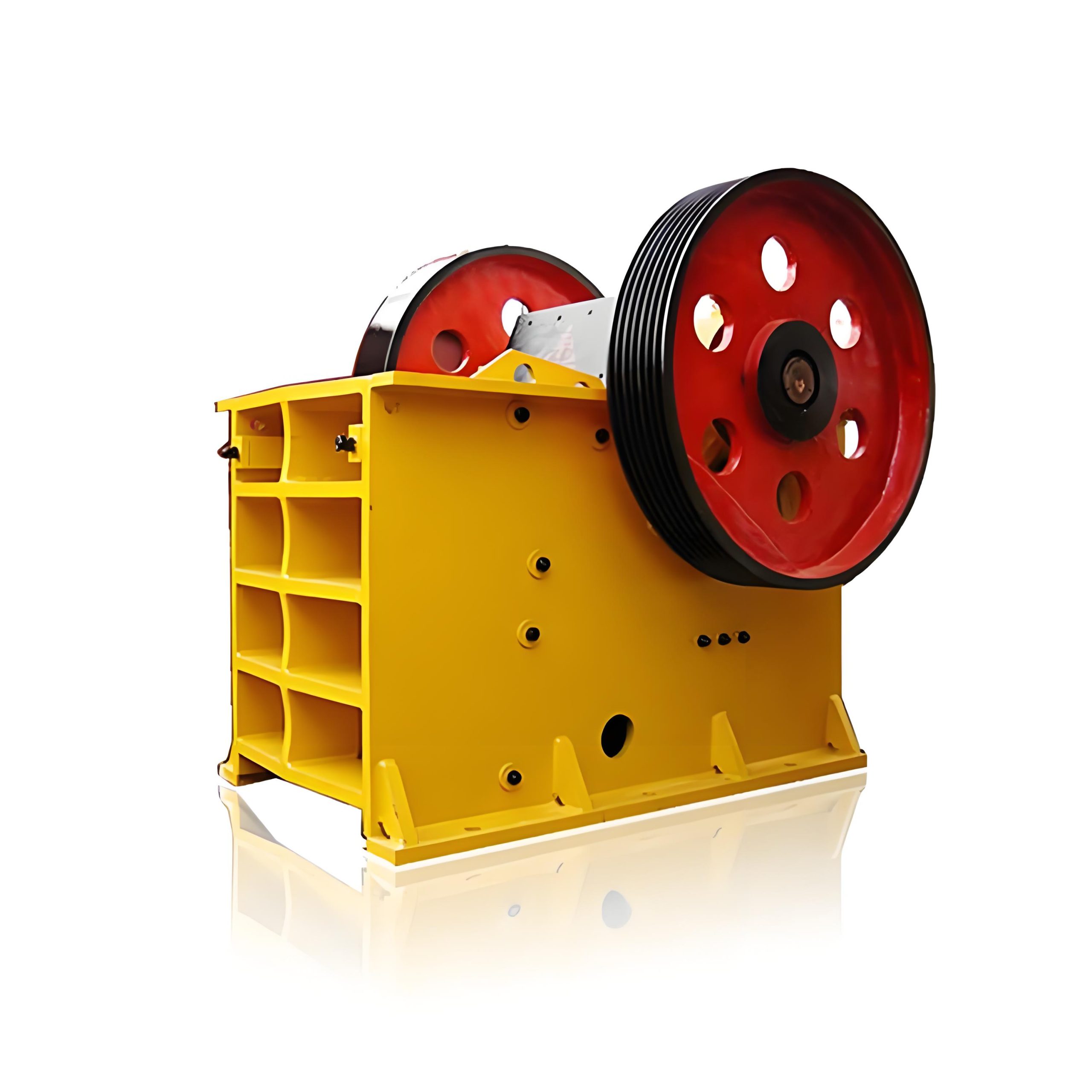
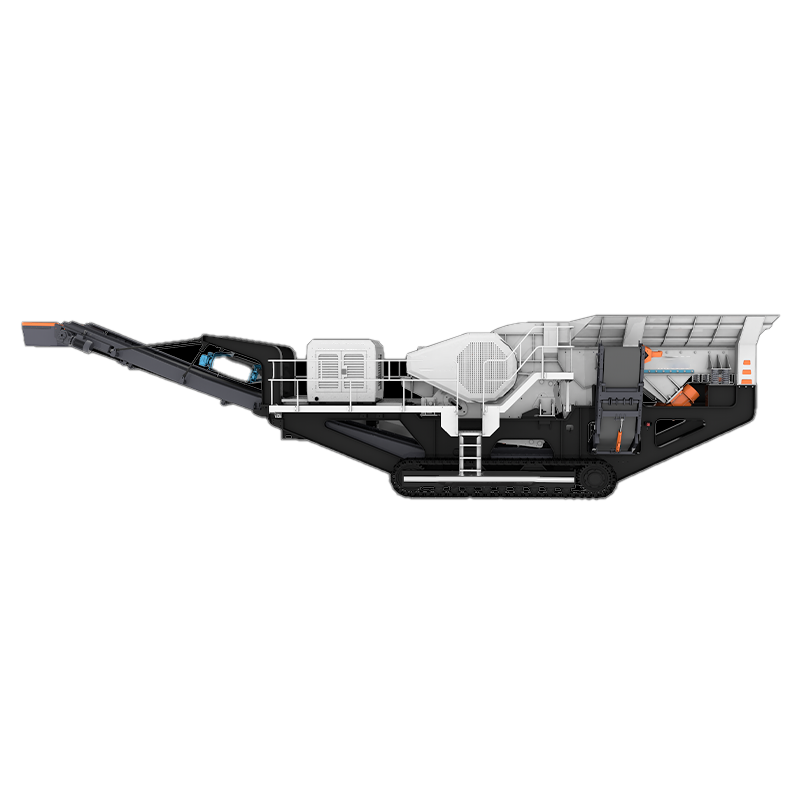
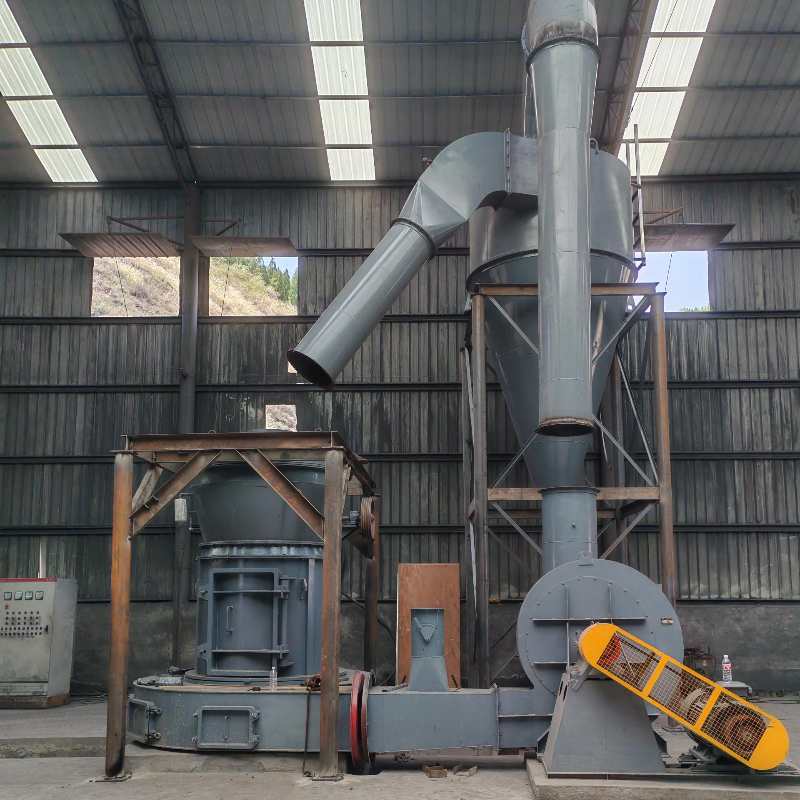
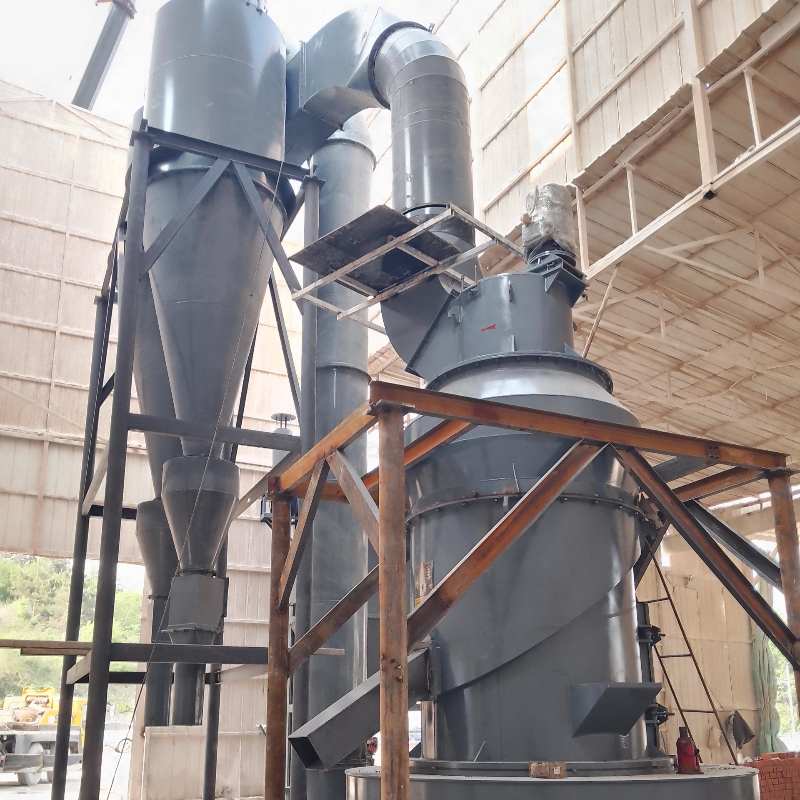
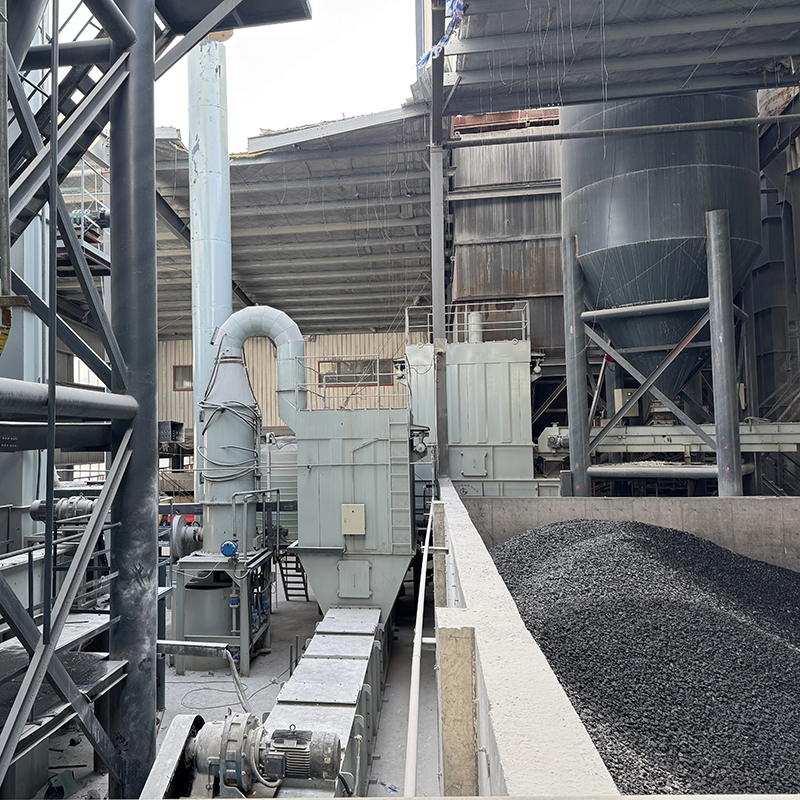
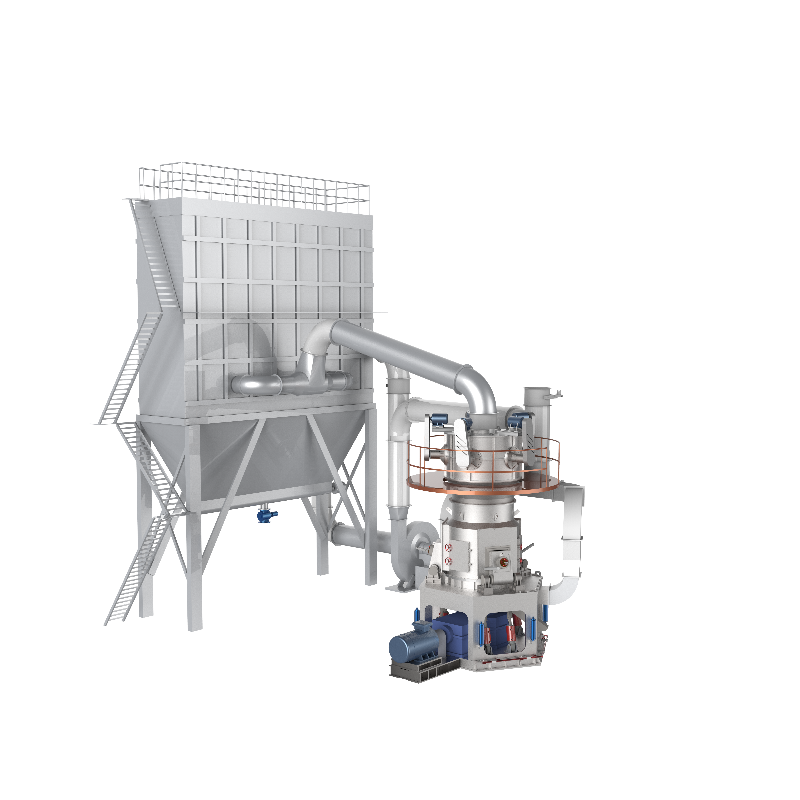
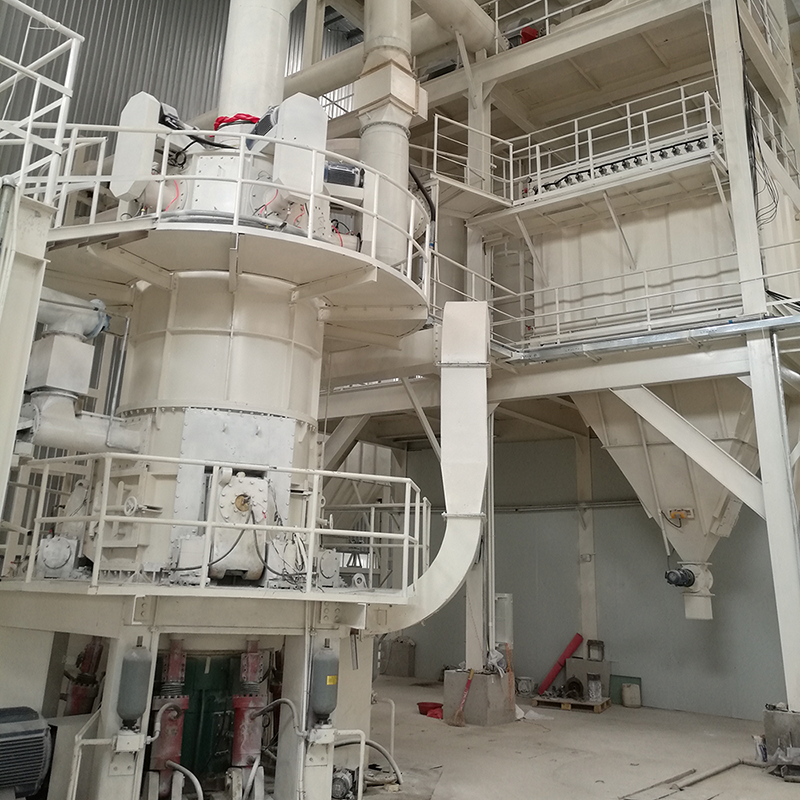
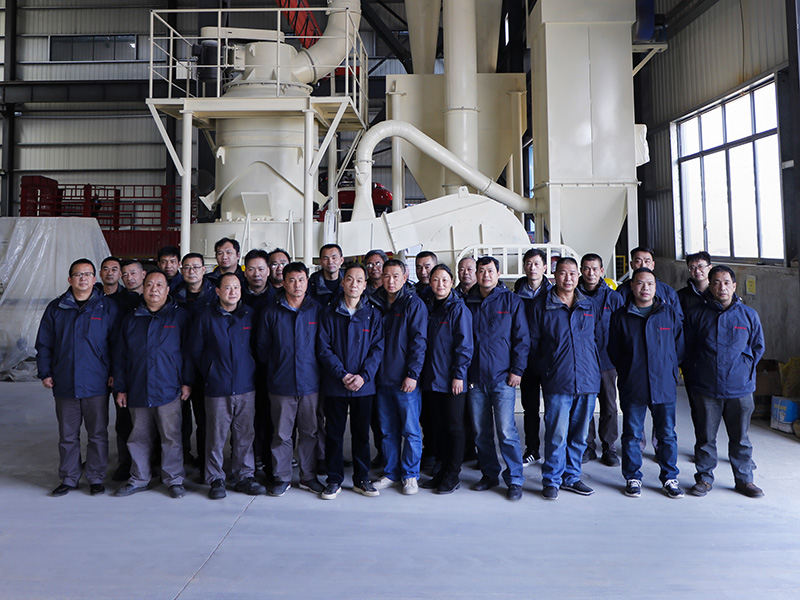
High-quality bauxite with Al₂O₃ content greater than 85% mainly consists of water alumina. After being fired at a temperature range of 1400-1450℃, the fired bauxite needs to undergo a process of crushing, grinding, water washing, sieving to separate the powder or sand materials, and then be bagged. The main mineral composition of the calcined bauxite clinker is corundum and mullite. In the crushing and grinding process, Shanghai Jianye Heavy Industry believes that jaw crushers can be selected in combination with Raymond mills or high-pressure grinding mills to further grind and process it. The Raymond mill is a long-standing powder equipment that has always been a frequent choice for various powder production. The high-pressure grinding mill is an efficient grinding equipment designed by our company based on the Raymond mill, which can process bauxite into 100-400 mesh, promoting its application in industries such as refractory bricks, precision manufacturing, mechanical industry, aluminum chloride water purifying agent, and electrolytic aluminum.
The high-pressure grinding mill has stable output, high production capacity, and a high through-sieve rate. It is widely used and is an efficient equipment suitable for grinding various types of ores and minerals. However, the calcined bauxite clinker often contains corundum, with a Mohs hardness of 9. Therefore, the performance requirements for the grinding mill are particularly high. The Cronus high-pressure grinding mill is commonly used for grinding white corundum, so it can be used for processing bauxite.
Main Application Areas
The main components of bauxite are aluminum oxide and silicon dioxide. It can be divided into raw materials and processed materials. The uses of each type are explained one by one as follows:
- The fine powder after being ground can be used as the raw material for ceramsite sand, and it is an effective component of ceramsite sand.
- Bauxite can be used to extract aluminium oxide, which is also known as alumina.
- Some of the bauxite raw materials can be used to produce refractory ceramics such as ceramic tiles and floor tiles.
- The bauxite clinker can be processed into aggregates and used as refractory materials for steel production, furnace lining, etc.
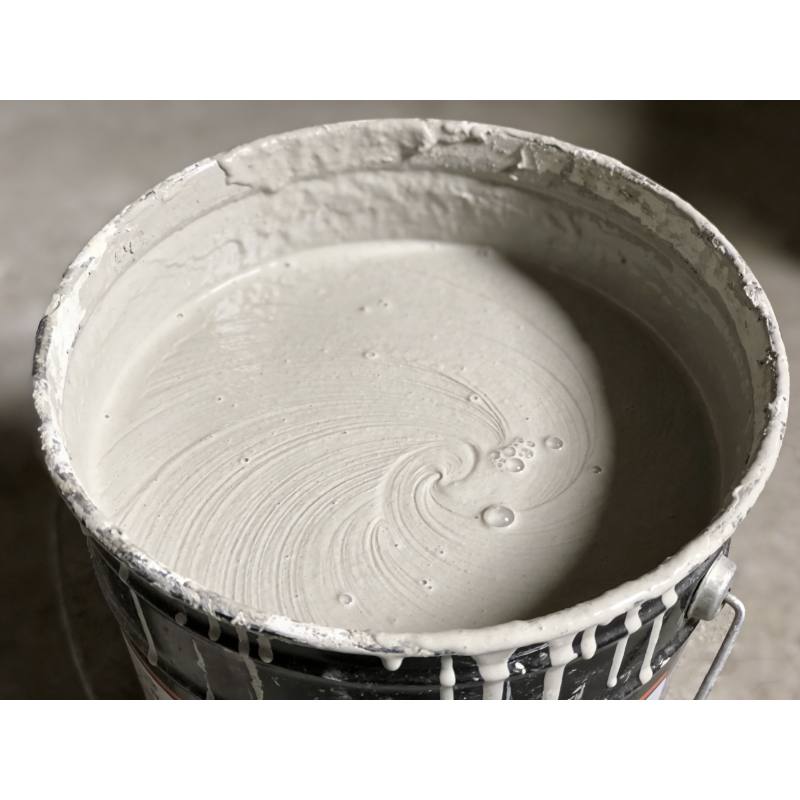
- It can be processed into fine powder and used in industries such as casting and refractory coatings. It can also be used in the preparation of polyaluminum chloride for water purifying agents.
- Bauxite can also be used to produce advanced refractory materials such as brown corundum.