The production efficiency of a crusher is never determined solely by the performance of a single piece of equipment. Even with the same model of equipment and the same operation, the output can vary greatly. There are two key factors at play here: the characteristics of the materials and the inherent features of the equipment itself. Many sand and gravel plants and mining factories have encountered such problems: the output of the same jaw crusher is 20% lower in summer than in winter, and the output drops by half when processing wet materials. The equipment's wear rate increases sharply after changing the materials... In fact, these problems can all be solved by understanding the influencing logic of the crusher's efficiency and taking preventive measures in advance to optimize it precisely, so that the equipment can always operate at full capacity and achieve maximum production capacity.
Shanghai Cronus Heavy Industry has been deeply engaged in the research and application of mining crushing equipment for many years. By integrating practical experience from industrial and mining sites, it has identified the key influencing factors of the efficiency of crushing machines. From material processing to equipment selection and maintenance, it provides professional solutions for the industry, helping various enterprises overcome capacity bottlenecks.
I. Material Characteristics: The "Inherent Determining Factors" of the Crusher's Efficiency
The operational efficiency of the crusher is primarily limited by the characteristics of the materials themselves. Selecting the appropriate processing method can prevent capacity waste and excessive equipment wear from the very beginning, which is the fundamental prerequisite for improving efficiency.
Material hardness: Hard materials "dry slowly", avoid hard contact with hard objects
The hardness of the materials directly determines the difficulty of equipment crushing and its production capacity. For the same type of equipment, processing materials of different hardness levels results in significant differences in output and wear of the components. For example, when using a counter-impact crusher to crush granite (high hardness), the hourly output is only 80 tons, while crushing limestone (medium to low hardness) can reach 120 tons, and the wear rate of the jaw plates differs by three times. When crushing hematite in an iron mine, the feeding speed was deliberately reduced by 10%. By slowing down the operation rhythm, the hard impacts between the equipment were reduced, which not only ensured the equipment lifespan but also maintained stable production capacity and avoided equipment failure and downtime caused by hard materials being crushed too forcefully.
Humidity and viscosity: Strictly control the moisture content, eliminate hidden obstacles
The humidity and viscosity of the materials are the "invisible killers" that affect the crushing efficiency. Materials with a moisture content exceeding 10% are prone to adhere to the inner walls of the crushing chamber and even block the discharge channels, significantly reducing the operational efficiency. When a cement factory was crushing wet and sticky soil, due to the materials sticking to the chamber, it had to stop and clean once every hour, directly resulting in a halving of production output. For materials with a high content of fine powder (such as fly ash mixed with ore), they would clog the sieve holes like flour, hindering the screening and discharging process. A beneficiation plant improved its crushing efficiency by 15% by installing a blower before the feed, to remove the fine powder impurities in the materials in advance. A simple pre-treatment step can effectively solve the problems of material sticking to the chamber and blockage of the holes.
Product fineness: Adjust as needed, do not blindly pursue extremely fine texture
The requirements for the fineness of the finished product directly affect the production capacity. The finer the crushing particle size, the greater the difficulty of the equipment operation, and the production output difference can reach twice as much. For example, when crushing 5-millimeter fine material and 20-millimeter coarse material, the production capacity of the same equipment can vary greatly. A certain concrete mixing station flexibly adjusts the size of the discharge port according to the order requirements. When producing coarse aggregates, the discharge port is enlarged, and the daily output is 300 tons more than when producing fine sand. During production, it is not necessary to blindly pursue extremely fine particle size. According to the actual usage scenario, adjust as needed, so as to maximize the production capacity while ensuring the quality of the finished product.
II. Equipment itself: The "core codebook" of the crusher's efficiency
If the material properties are the inherent conditions, then the quality, design and maintenance of the equipment itself are the crucial factors determining the crushing efficiency. Choosing the right equipment and doing a good job in maintenance can fully unleash the operational potential of the equipment, avoiding the situation where "even the cleverest woman cannot cook a meal without rice".
Equipment quality: Genuine materials, laying a solid foundation for efficiency
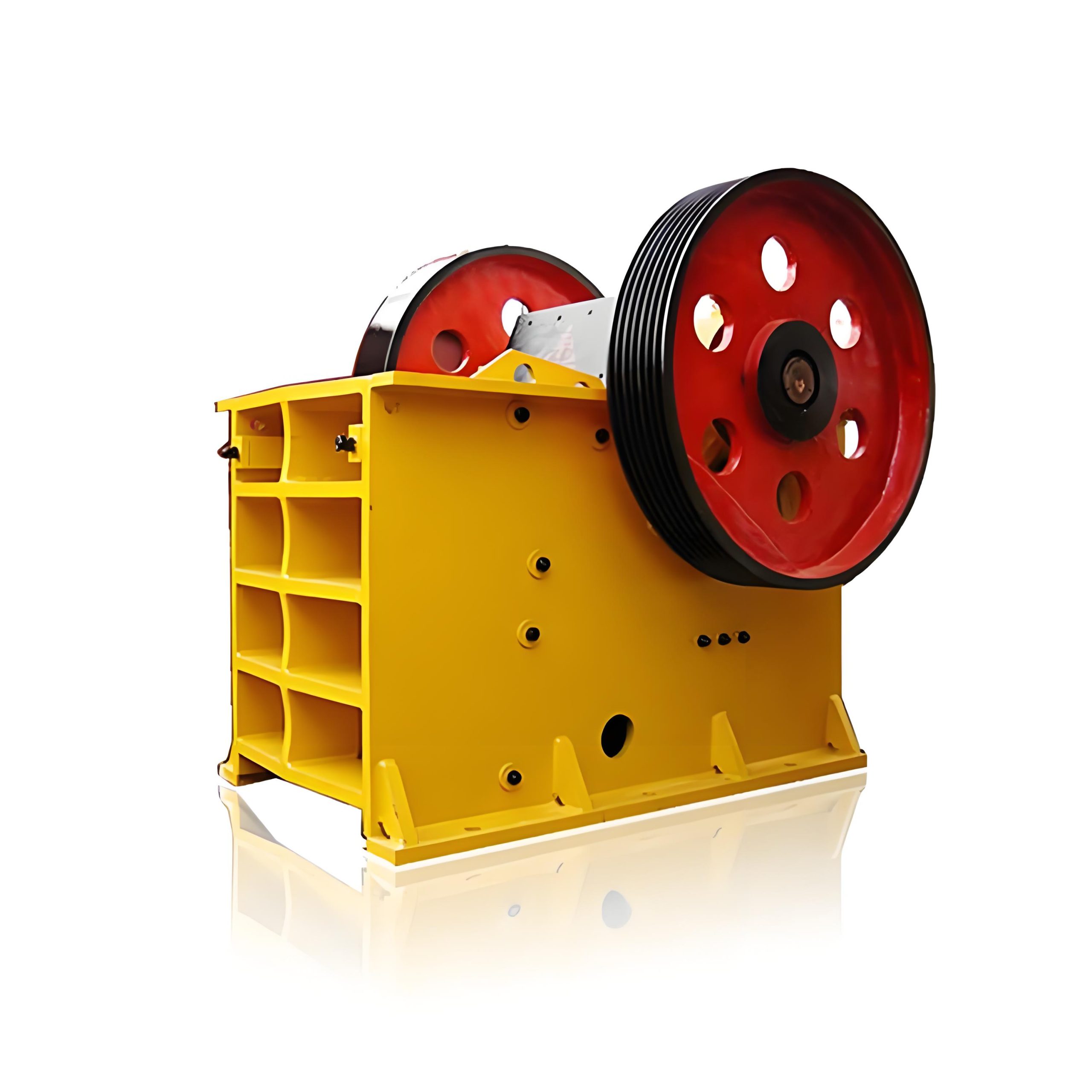
The core components' material and overall craftsmanship of the crusher directly determine the stability and production capacity limit of the equipment. Some manufacturers' equipment, in an attempt to reduce costs, uses ordinary steel for the frame of the jaw crusher. After only half a year of use, it starts to deform, causing the discharge port to fluctuate in size and resulting in extremely unstable output. In contrast, Cronus high-quality equipment strictly controls quality from the source. The jaw plates are made of high manganese steel, and the bearings are selected from imported brands. It has excellent wear resistance, pressure resistance, and deformation resistance. For the same type of equipment crushing river pebbles, the lifespan of Cronus equipment is two years longer than that of ordinary manufacturers' equipment, and the production capacity remains stable throughout the process, without any production loss caused by equipment deformation or malfunction.
Structural design: Adapt to materials, optimize operation rhythm
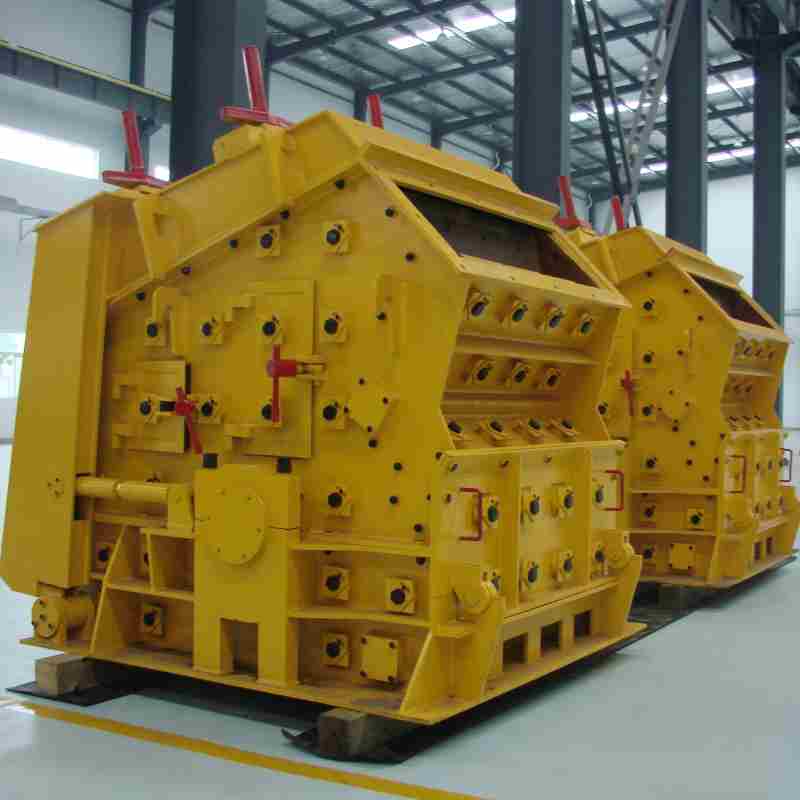
The structural design of the equipment should be highly compatible with the characteristics of the materials being processed. Even minor design adjustments can lead to a dual improvement in production capacity and particle shape. The angle of the hammer plates in the impact crusher and the cavity shape of the cone crusher are key factors affecting the crushing efficiency. In a certain basalt mine, the angle of the hammer plates in the impact crusher was adjusted from 30 degrees to 25 degrees, allowing the materials to complete one more impact within the crushing cavity. This not only resulted in better particle shapes for the finished products but also increased the output by 8%. At the same time, the automation level of the equipment is also crucial. A feeding machine with variable frequency speed control can automatically adjust the feeding amount according to the material level in the crushing cavity, precisely avoiding problems such as the equipment being "starving" (insufficient feeding) or "overloaded" (overfeeding), ensuring that the crushing operation is always at the optimal rhythm.
Wear-prone parts and maintenance: Based on wear resistance, lubrication is essential.
The wear resistance of wear-prone parts is the core guarantee for the continuous and efficient operation of equipment, and regular maintenance is the key to avoiding efficiency losses. A certain sand and gravel plant upgraded the impact crusher hammer from traditional high-chromium cast iron to a dual-metal composite material, increasing its service life from 15 days to 40 days. This significantly reduced the downtime for replacing parts, and this single optimization alone increased monthly production by 5,000 tons. Lubrication of bearings is also not to be overlooked. Lack of oil will increase the resistance of equipment operation. On a certain production line, due to the lack of oil in the bearings, the motor current increased abnormally, and the production output dropped by 10%. After timely addition of lubricating grease, the equipment efficiency returned to normal. To reduce unplanned downtime and ensure the continuous and efficient operation of the production line, it is necessary to upgrade wear-prone parts and perform regular lubrication and maintenance.
The efficient operation of the crusher is the result of the comprehensive efforts in material pre-treatment, equipment selection, and daily maintenance. To optimize the production plan specifically, one must thoroughly understand the core influencing factors of the materials and the equipment. Shanghai Cronus Heavy Industry possesses a professional technical team and a complete service system. They can provide one-stop solutions for efficiency testing, capacity optimization, and equipment selection of various types of crushing equipment. From on-site investigation, material analysis to equipment configuration and post-maintenance, they ensure the protection of your production line throughout the process, keeping the crusher in a fully loaded and efficient operation state, and helping enterprises achieve a dual improvement in production capacity and efficiency.