In industries such as mining, metallurgy, chemical engineering, and building materials, the grinding of materials is a core production process. Faced with a wide variety of grinding equipment on the market, many customers often hesitate between vertical grinding mills and Raymond grinding mills. They seem to have similar functions, but in fact, their positioning is quite different. This article will deeply analyze the differences between the two to help you make the wisest choice based on your own needs.
I. Initial Acquaintance with Vertical Grinding Mills and Raymond Grinding Mills
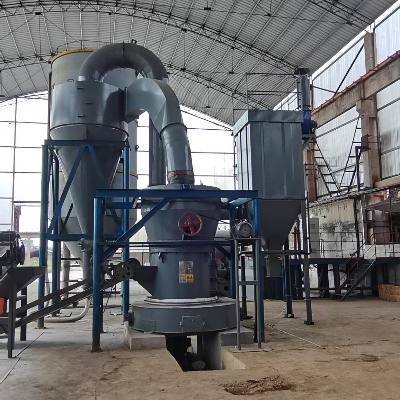
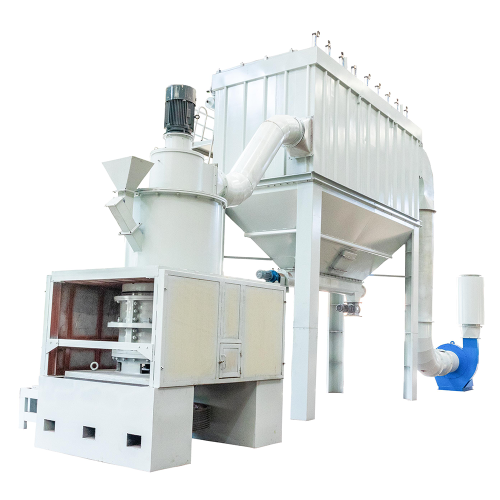
Raymond mill
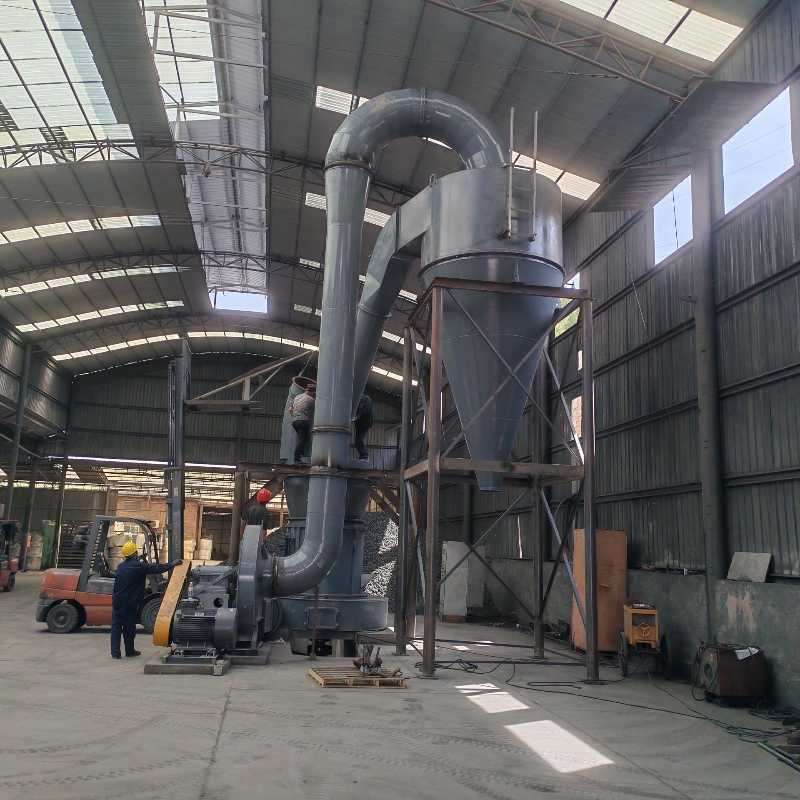
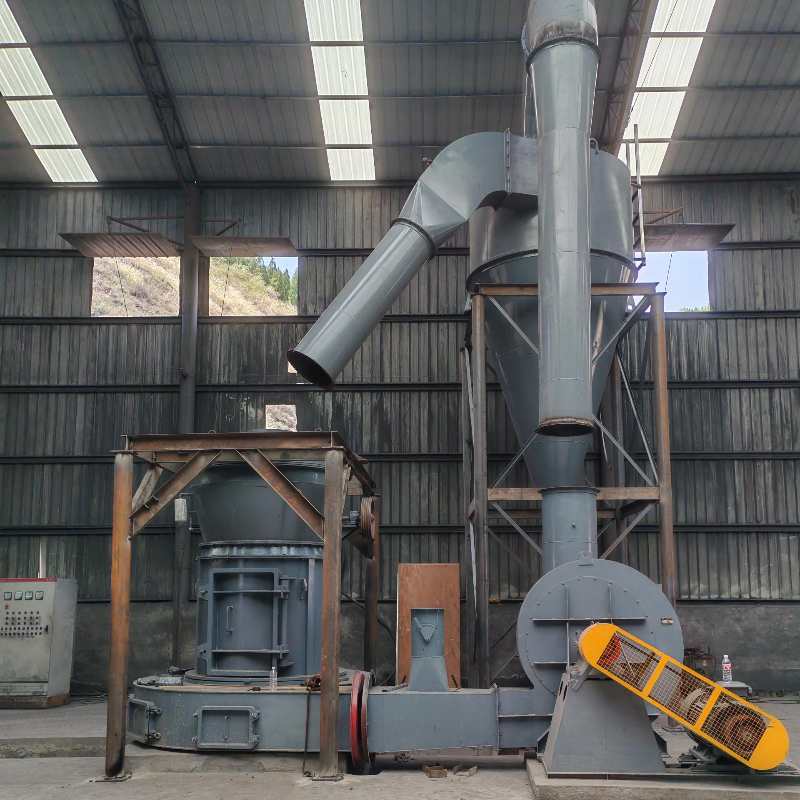
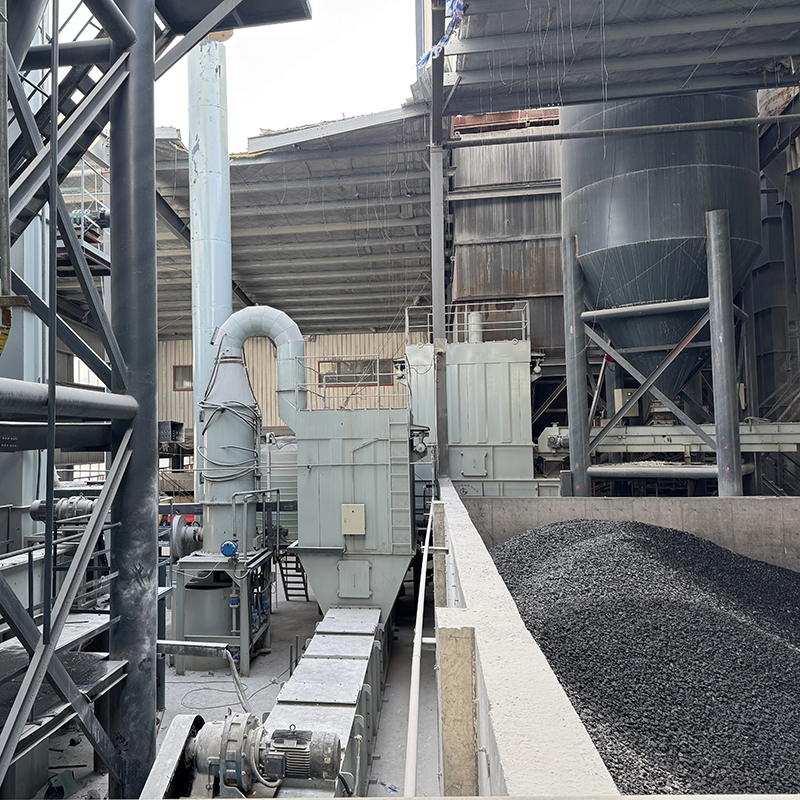
The Raymond mill is a classic in the field of grinding powder, with mature technology and a long history of application. The working principle is as follows: The grinding rollers inside the main machine are tightly pressed against the grinding ring by the centrifugal force. The material to be ground is lifted by the scraper and sent between the grinding rollers and the grinding ring, and is crushed by the crushing effect. The crushed materials are carried into the classifier by the airflow of the fan for classification. The qualified fine powder is collected as the finished product, while the coarse powder is returned for re-grinding.
Core features: Compact structure, low cost, easy operation and maintenance, and the fineness of the finished product is usually between 60 and 800 mesh.
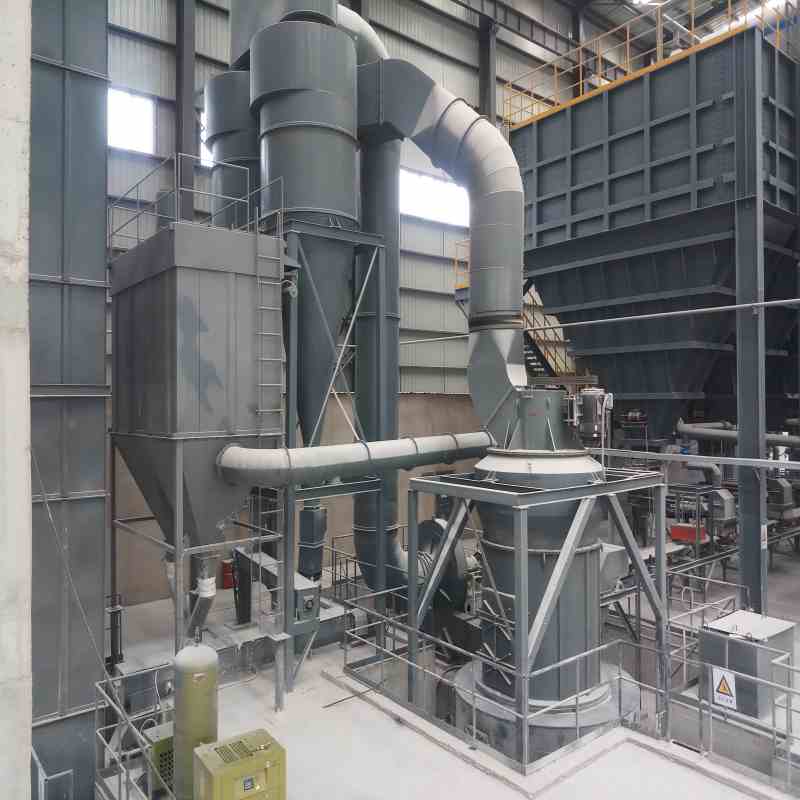
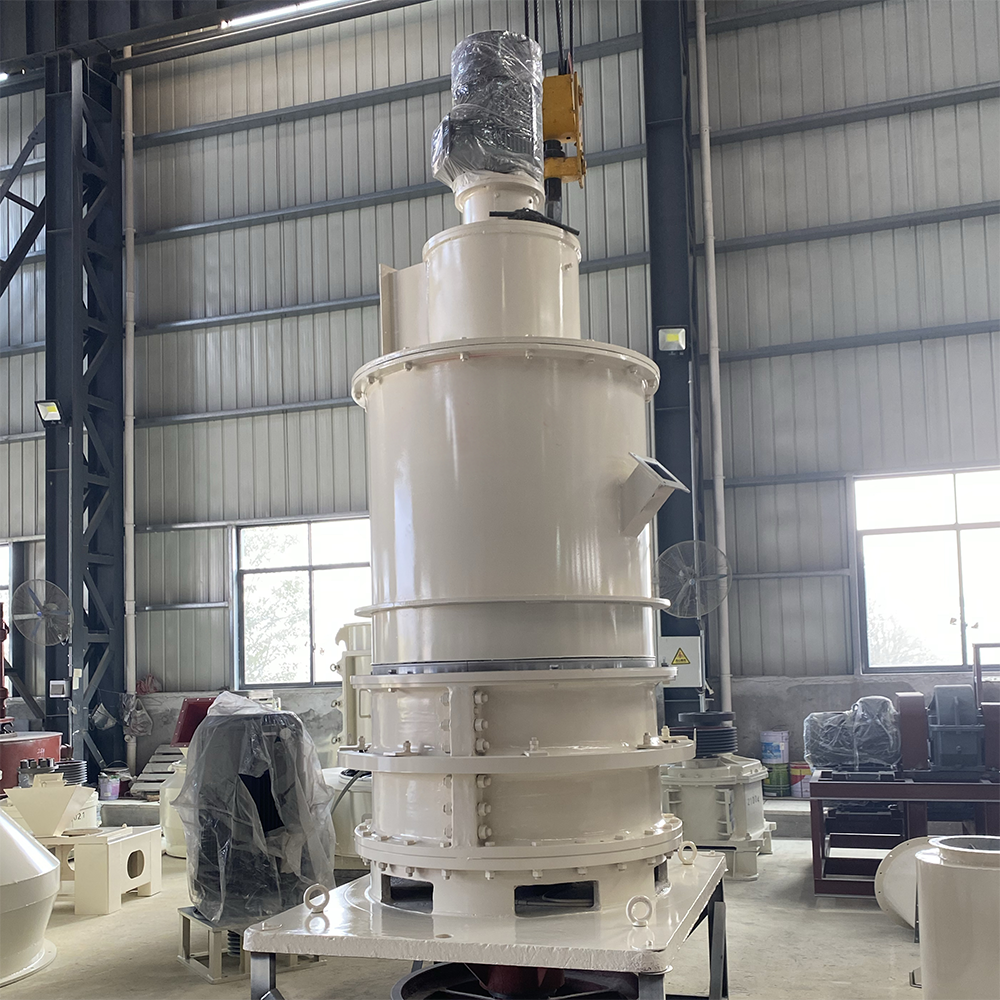
Vertical grinding mill
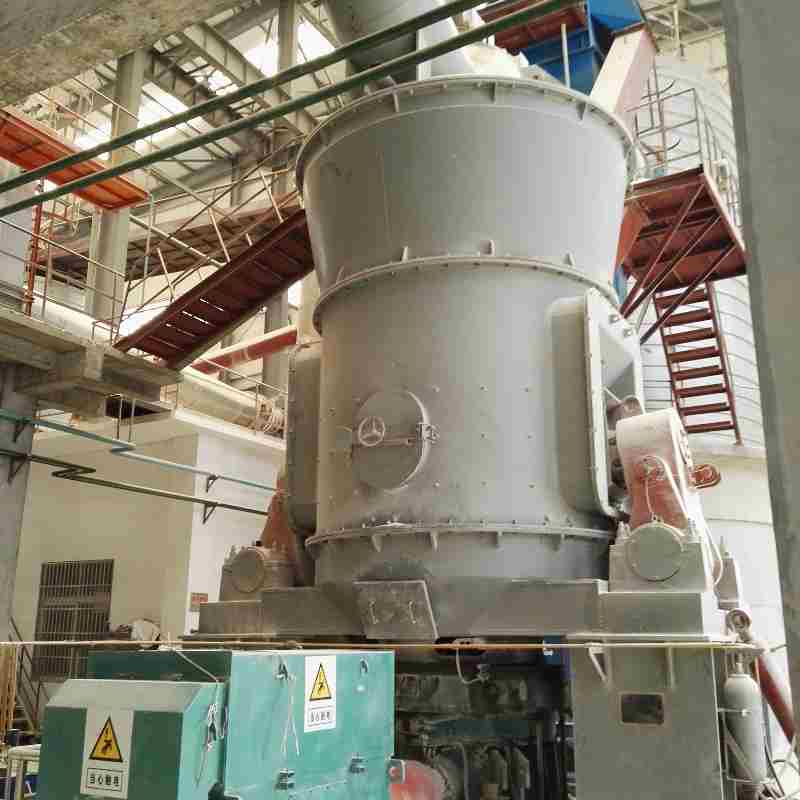
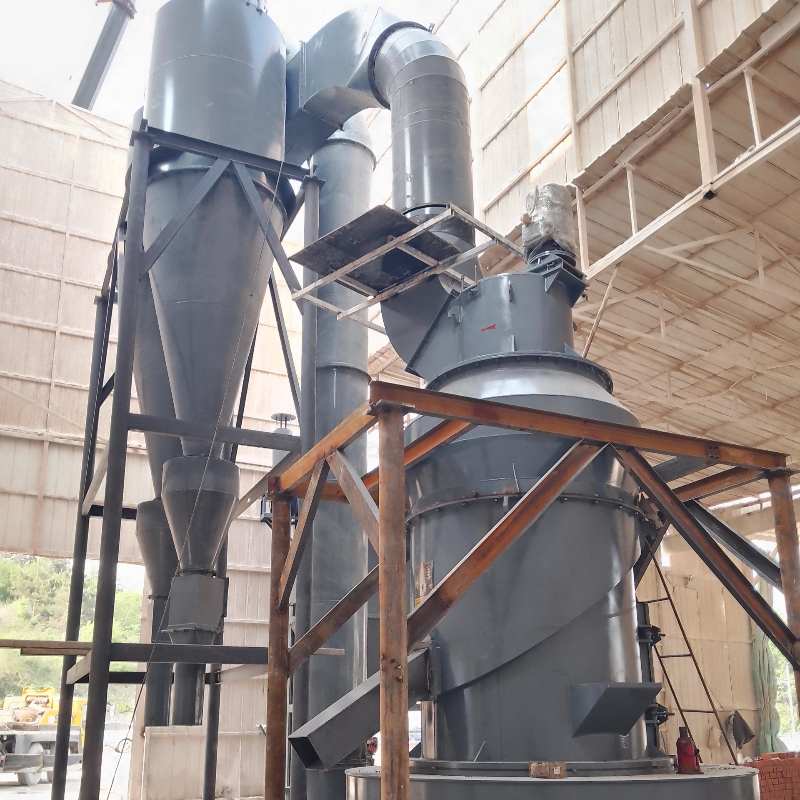
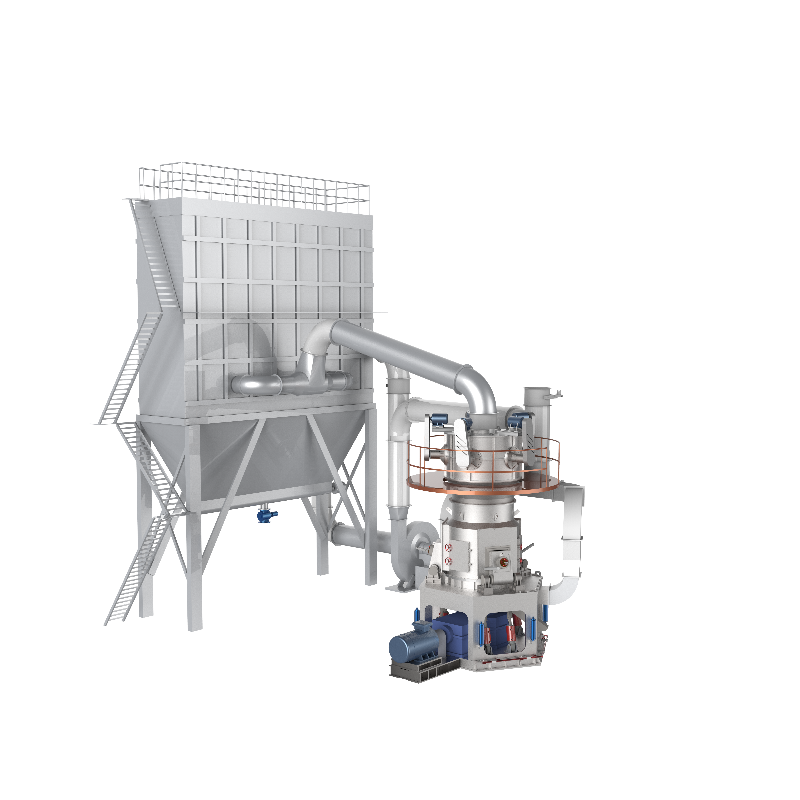
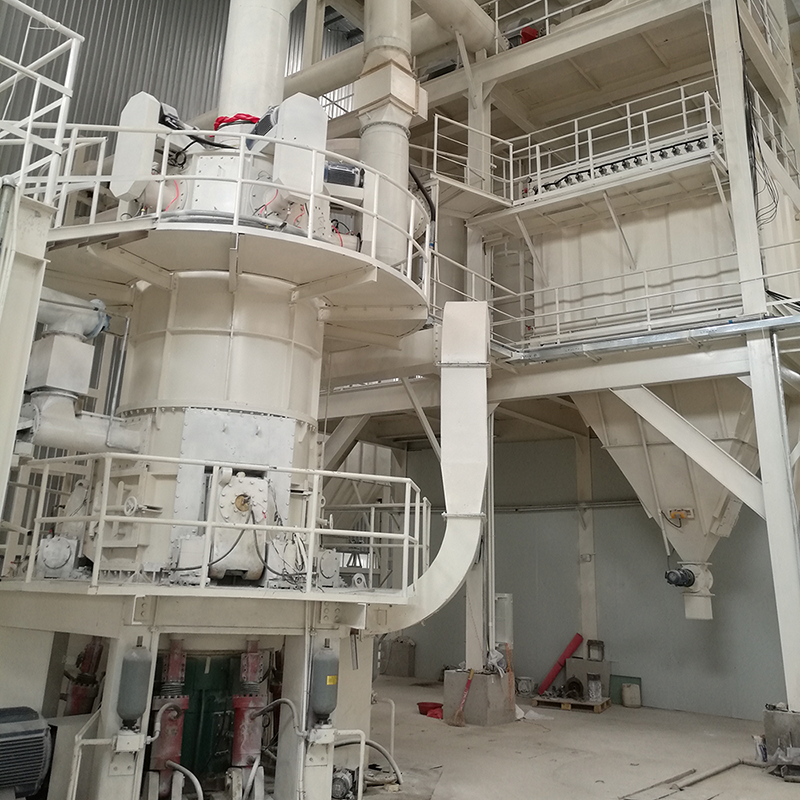
Vertical mills are the "high-efficiency new force" in industrial-scale grinding, representing a more advanced technological direction. The working principle is as follows: The motor drives the grinding disc to rotate at a constant speed. The material falls from the feed port onto the center of the grinding disc and moves towards the edge of the grinding disc under the action of centrifugal force. Meanwhile, the grinding roller crushes the material on the grinding plate under the pressure of the hydraulic system (or spring system), breaking it down. The crushed materials are blown up by hot air and directly dried and classified in the mill.
Core features: Integrating crushing, grinding, drying and powder selection, it has a three-dimensional structure, occupies a small area, has low energy consumption, high output, and the fineness of the finished product can reach up to 2500 mesh.
Ii. Differences Between Vertical Mill and Raymond Mill
| Comparison Item | Raymond Mill | Vertical Mill |
|---|---|---|
| Structure & Working Principle | Grinding roller revolves and rotates, horizontally grinding the grinding ring | Grinding disc rotates, and grinding rollers vertically press on the material on the disc |
| Energy Consumption & Efficiency | Relatively high energy consumption, medium efficiency, suitable for small to medium output | Low energy consumption (saving 30%-50% electricity), high grinding efficiency, suitable for large-scale production |
| Product Fineness & Output | Fineness range: 60-800 mesh, output per hour: 0.4–40 tons | Fineness up to 2500 mesh, output: 2-420 tons/hour |
| Drying Capacity | No built-in drying function or weak drying capacity, strict requirements on material moisture | Equipped with powerful hot air drying system, can handle materials with moisture up to 15%, eliminating the need for a separate drying process |
| Automation Level | Mostly mechanical control, general automation level | High automation level, remote control and automatic adjustment, reducing manual intervention |
| Investment Cost | Lower initial investment cost, high cost performance, quick return on investment | Higher initial investment, but lower long-term operating cost, significant comprehensive benefits |
| Environmental Protection | Relatively traditional dust and noise control | Good sealing system, noise not exceeding 80dB, dust removal efficiency up to 99.9% |
| Same Points | Both are roller grinding equipment, suitable for non-metallic minerals (such as limestone, gypsum, calcium carbonate, barite, marble, kaolin) with Mohs hardness below 7 and within a certain humidity range, as well as rocks, cement, coal, steel slag, and glass | |
Iii. How to Choose between Vertical Grinding Mills and Raymond Grinding Mills
✅ select Raymond mill
Limited budget: You hope to start the production project at a lower cost.
The output requirement is not high: Your production line is of medium to small scale and does not have extremely high requirements for hourly output.
The standard fineness requirement for the finished product: A fineness of your product within 800 mesh can meet your needs.
Material drying: The moisture content of your material entering the mill is very low, and there is no need for a complex drying process.
In short, the Raymond mill is an "economical and practical" ideal choice that meets the basic grinding requirements.
✅ select the vertical mill
Pursuing economies of scale: You have large-scale and continuous production demands and strict requirements for output.
Focus on long-term costs: You place more emphasis on low operating costs and long-term energy-saving benefits, and are willing to make forward-looking investments.
High requirements for finished products: You need to produce high-value-added fine powder (above 800 mesh) or dry the materials.
Modernization and Environmental Protection: You hope to build an automated and intelligent modern production line that meets strict environmental protection standards.
In short, the vertical mill is a "strategic investment type" equipment for large-scale, efficient and refined production.
Iv. Brand Recommendation: Why Choose Shanghai Cronus?
No matter which device you ultimately choose, a machine with outstanding performance and reliable quality and a responsible manufacturer are the keys to success. Here, we solemnly recommend Shanghai Cronus Machinery Co., Ltd. to you