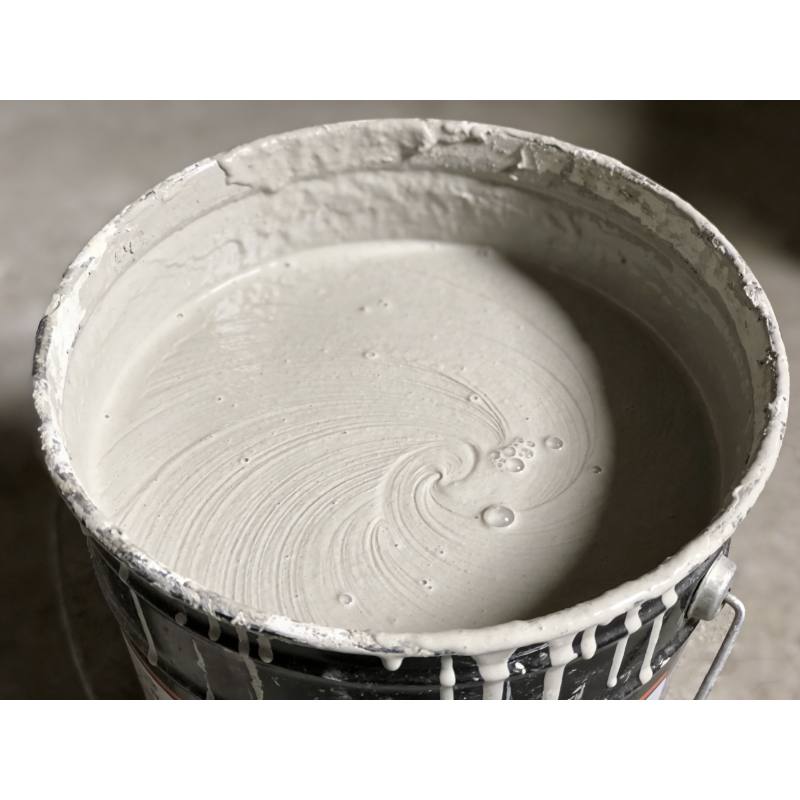
Lime slurry is a substance made from a mixture of lime and water. Chemically, its main component is a suspension of calcium hydroxide [Ca(OH)₂]. It is a slurry-like substance formed by mixing quicklime (calcium oxide, CaO) with water in a certain proportion and then performing a slaking reaction (hydration).
Lime slurry is mainly made by mixing lime (obtained from limestone through crushing and grinding) with an appropriate amount of water. Lime slurry is an important industrial raw material, widely used in construction, metallurgy, environmental protection, and other fields. The following is a detailed explanation of lime slurry:
- Composition of lime slurry: Lime slurry is mainly composed of lime and water. Lime is a solid substance obtained by calcining limestone at high temperatures and has high reactivity. When mixed with water, lime undergoes a hydration reaction, generating heat and producing new substances.
- Applications of lime slurry: Lime slurry has a wide range of uses. In the construction industry, lime slurry is used to make coatings, masonry mortar, etc. In the metallurgical field, lime slurry is used to adjust pH levels and remove impurities. Furthermore, lime slurry is also applied in environmental protection, such as flue gas desulfurization.
- Properties of Lime Slurry: Lime slurry possesses excellent workability and water retention. These properties give it good workability during construction, such as ease of mixing and uniform application. Simultaneously, lime slurry also exhibits certain weather resistance and impermeability, ensuring the quality and service life of buildings.
Lime slurry is an important industrial raw material, composed of lime and water, and is widely used in construction, metallurgy, and environmental protection. Its excellent performance characteristics, such as workability and water retention, provide convenience for construction.
The Lime Slurry Production Process: From Stone to Slurry
Making high-quality lime slurry is not simply "adding water and stirring," but an exothermic chemical process requiring precise control:
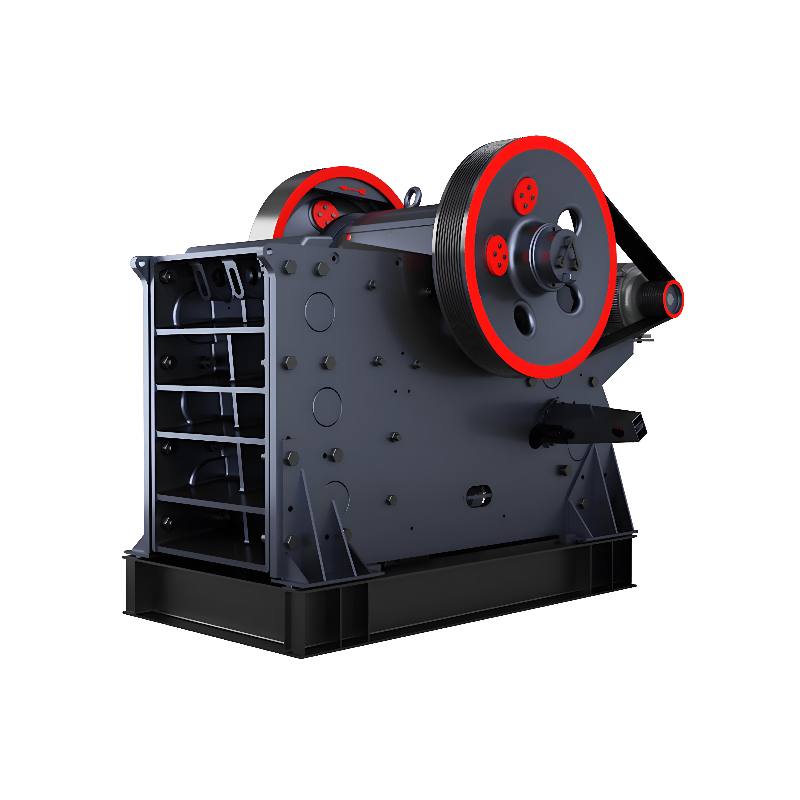
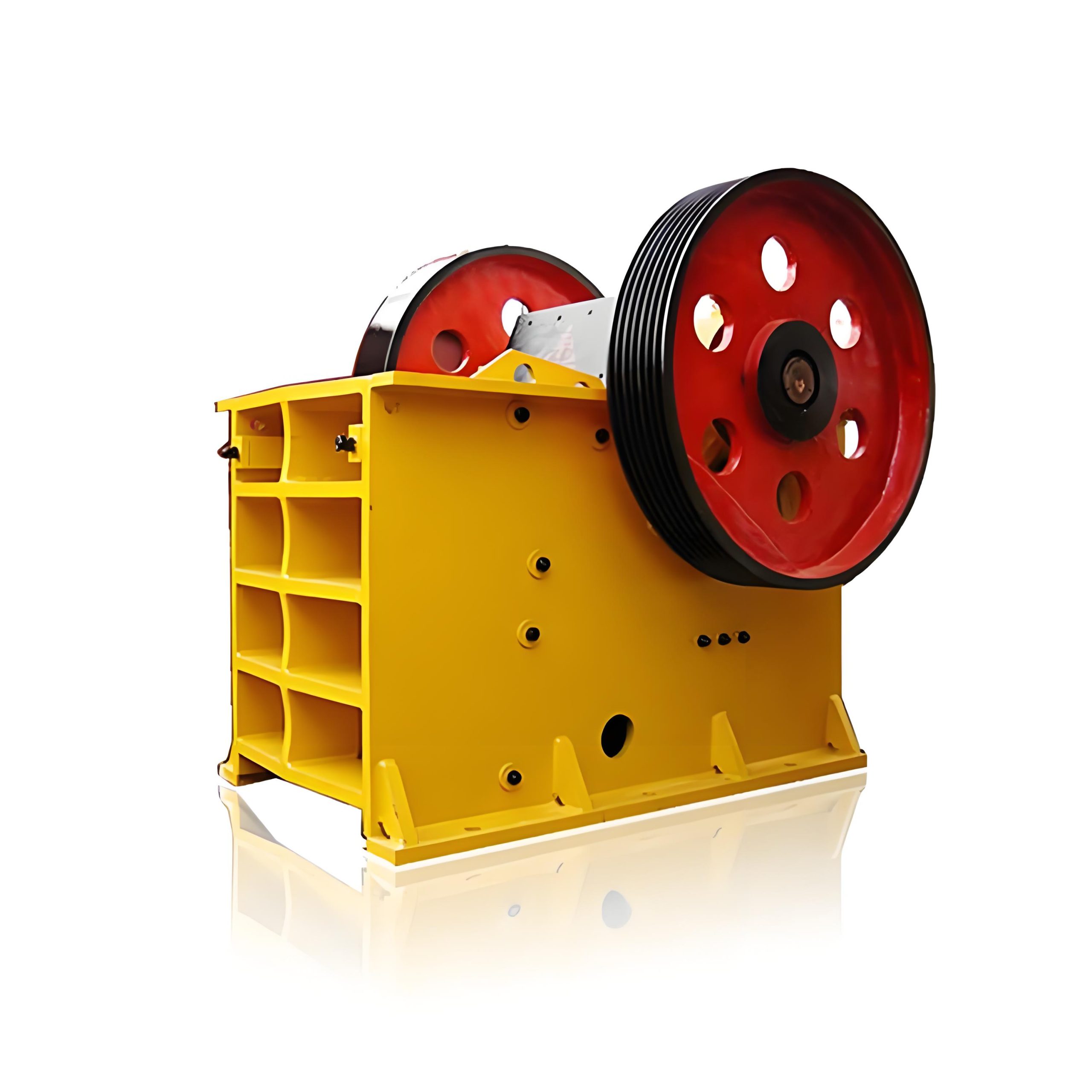
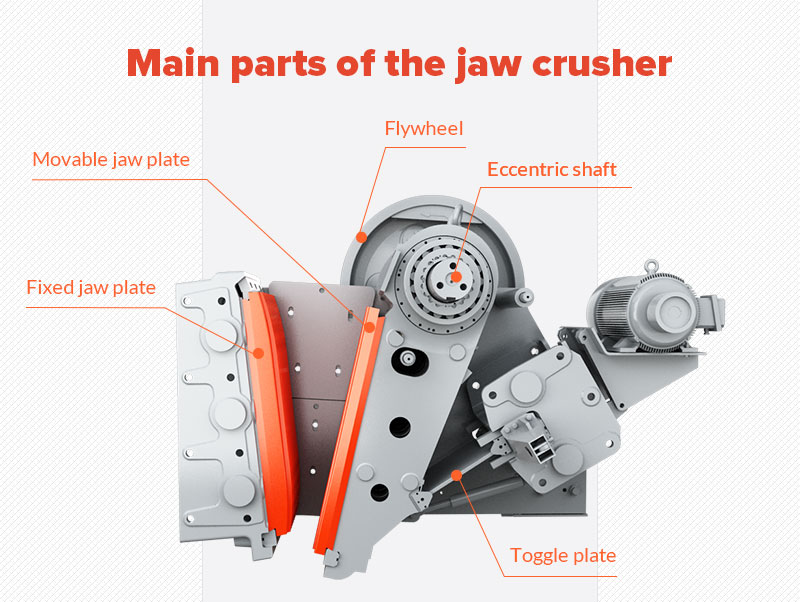
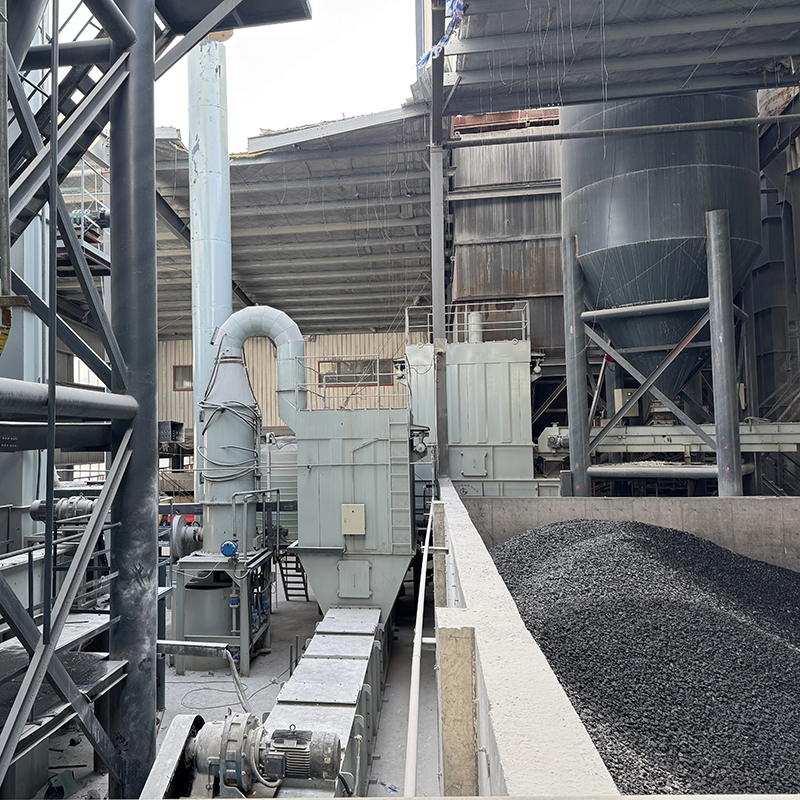
Crushing and Grinding: First, large pieces of limestone are calcined into quicklime blocks, then processed into suitable particle sizes using crushers and grinding mills.
Digestion Reaction (Slaking): This is the most crucial step. Quicklime (CaO) is added to the slaking machine to react with water (H₂O):
This process releases a large amount of heat, so the water-to-lime ratio must be carefully controlled to prevent dry burning or excessive dilution.
Slag Removal and Refining: The slurry after slaking often contains unslaked "cores" or impurities. Filtering through a vibrating screen or slag remover yields a fine lime slurry.
Shanghai Cronus: A Highly Efficient Tool for Lime Preparation
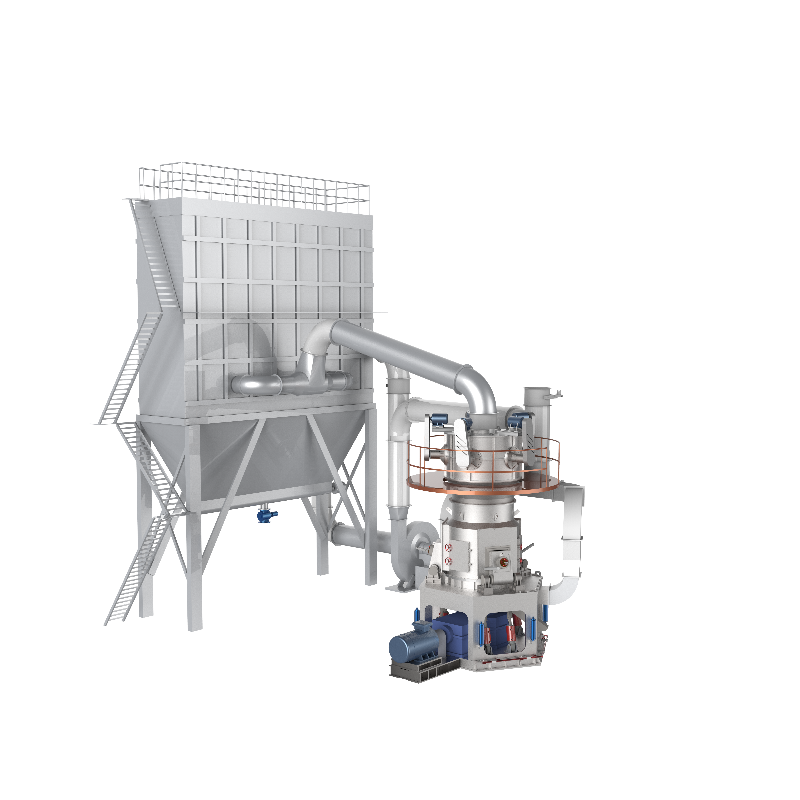
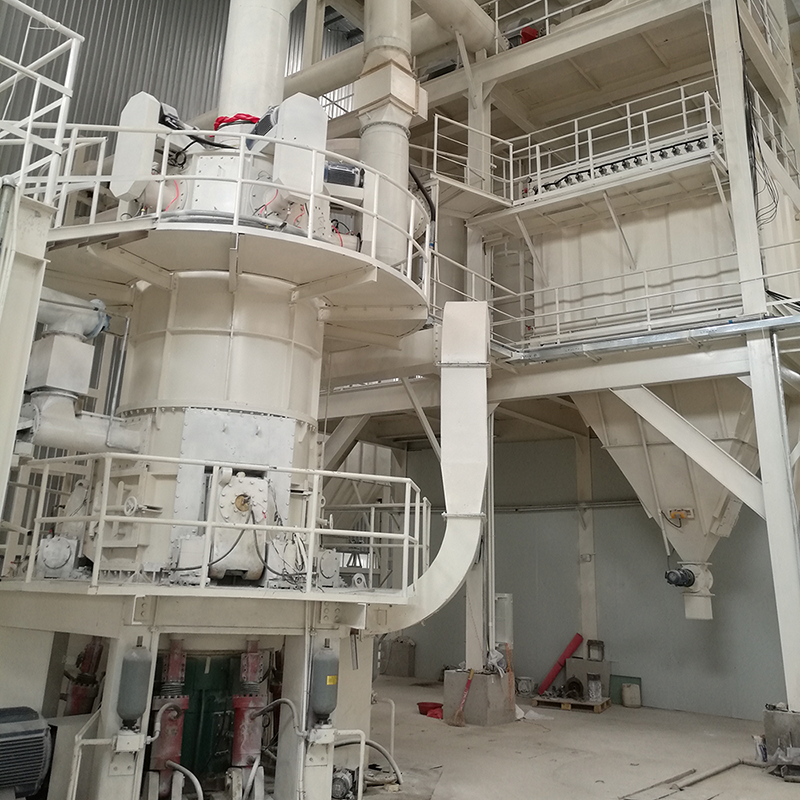
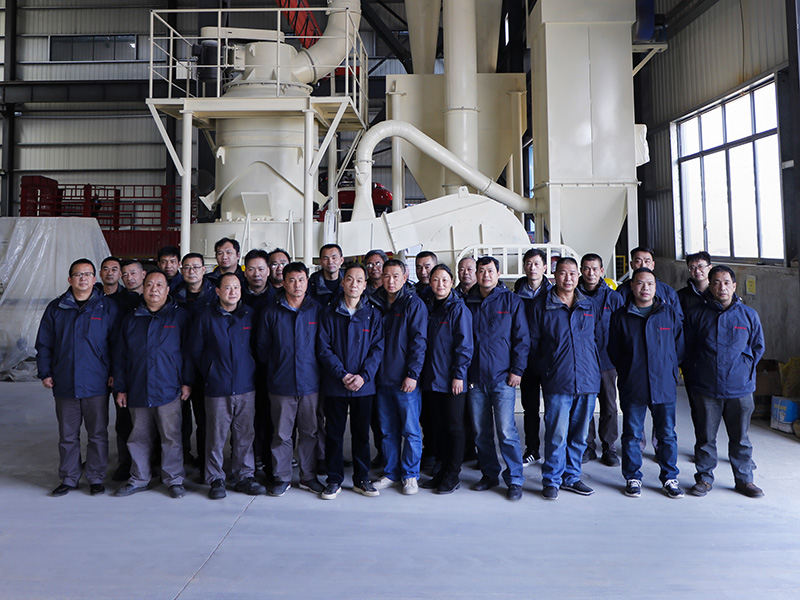
In the lime processing field, Shanghai Cronus, with decades of technological accumulation, provides a complete industrial chain solution from grinding to slaking. The following are two core main models:
Calcium Hydroxide Production Line (Slaking System)
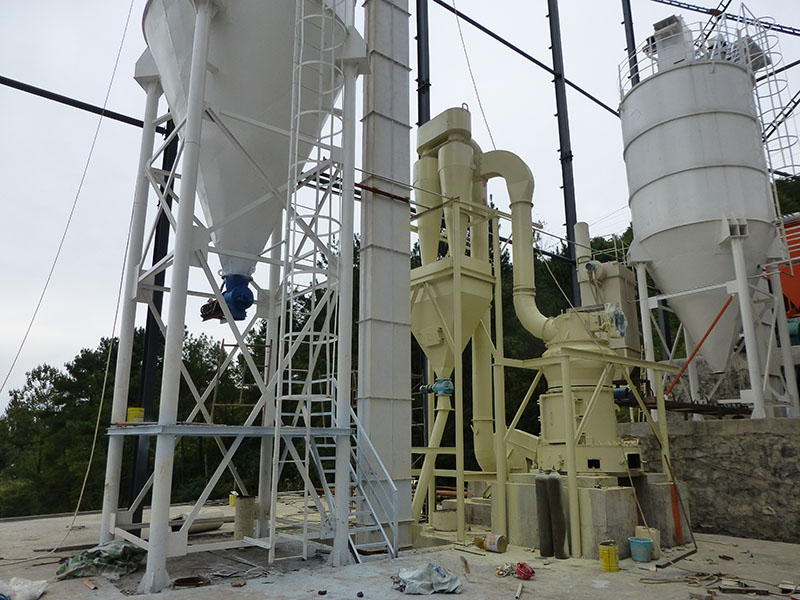
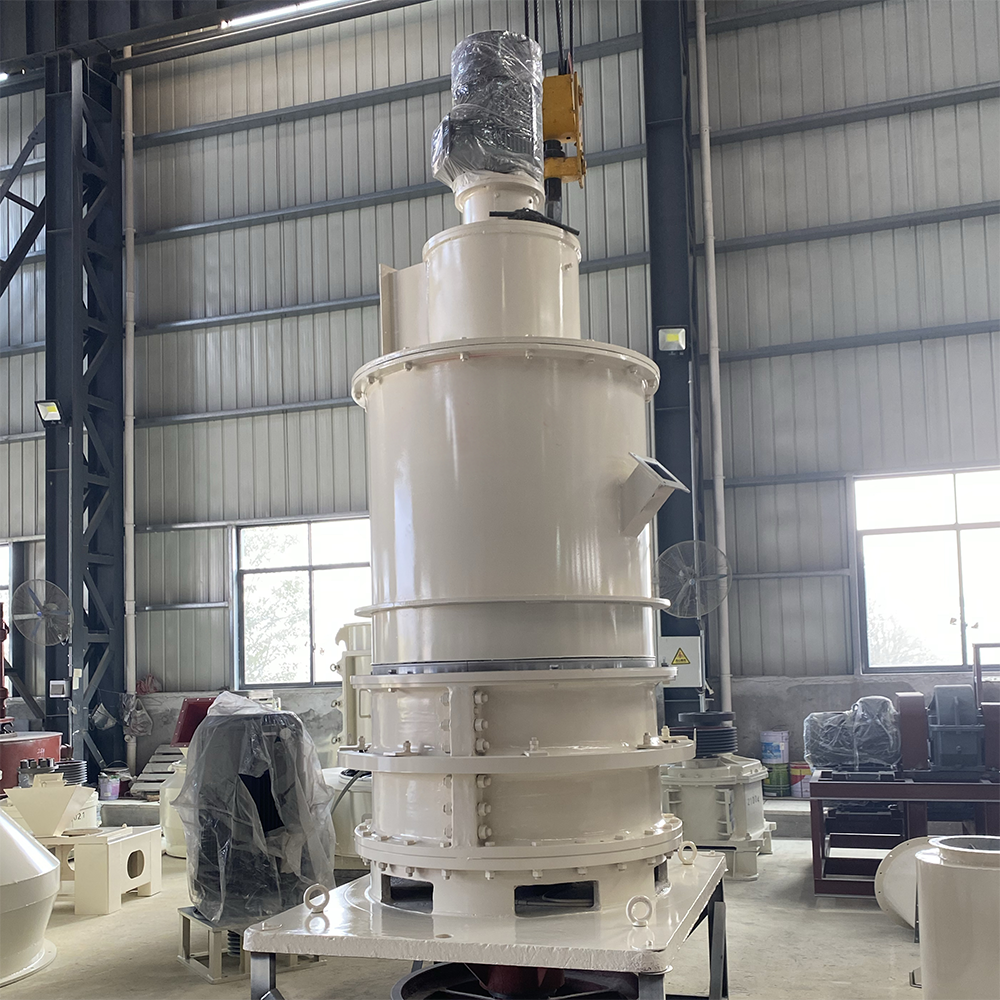
This is the core equipment for directly producing lime slurry. Shanghai Cronus' high-efficiency slaking machine features multi-stage stirring and automatic slag removal functions, ensuring that the quicklime reacts fully and produces a slurry with uniform particle size and high activity.
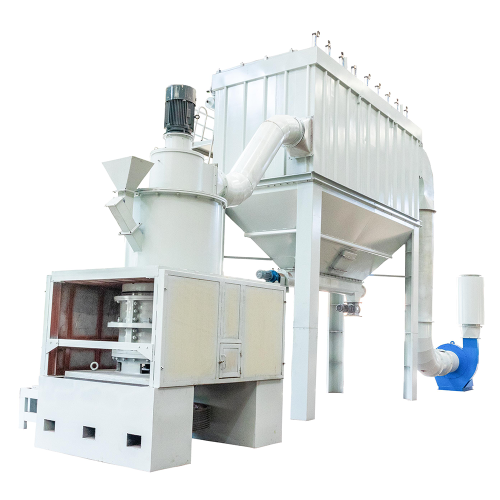
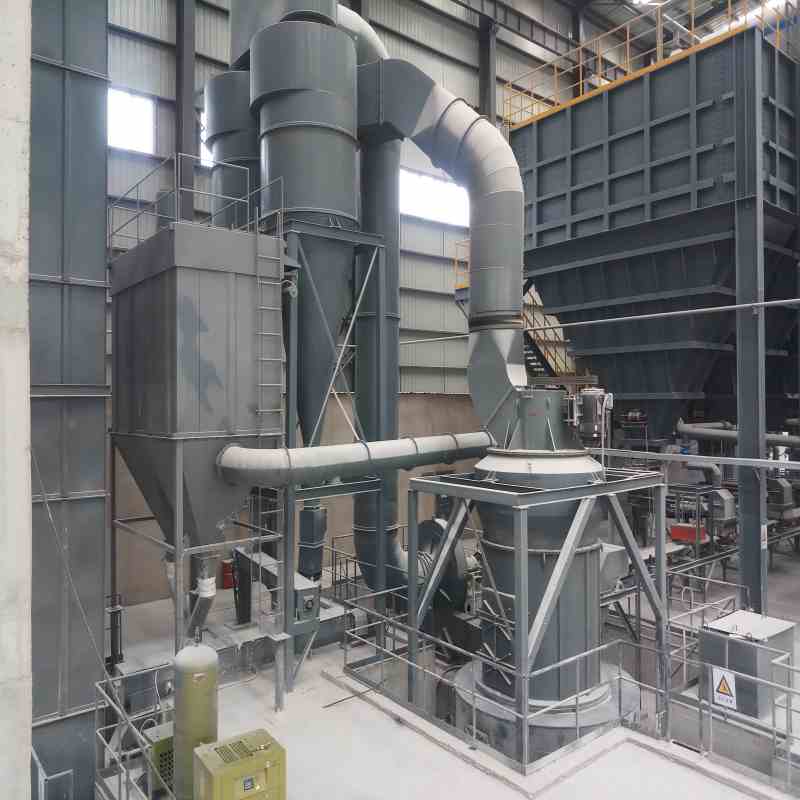
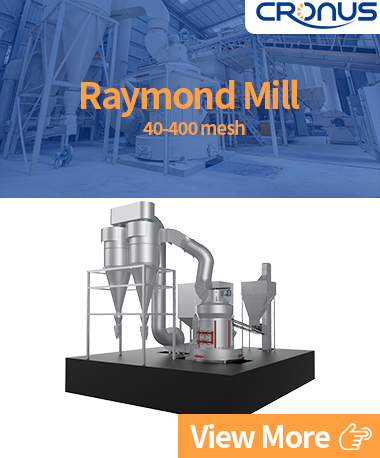
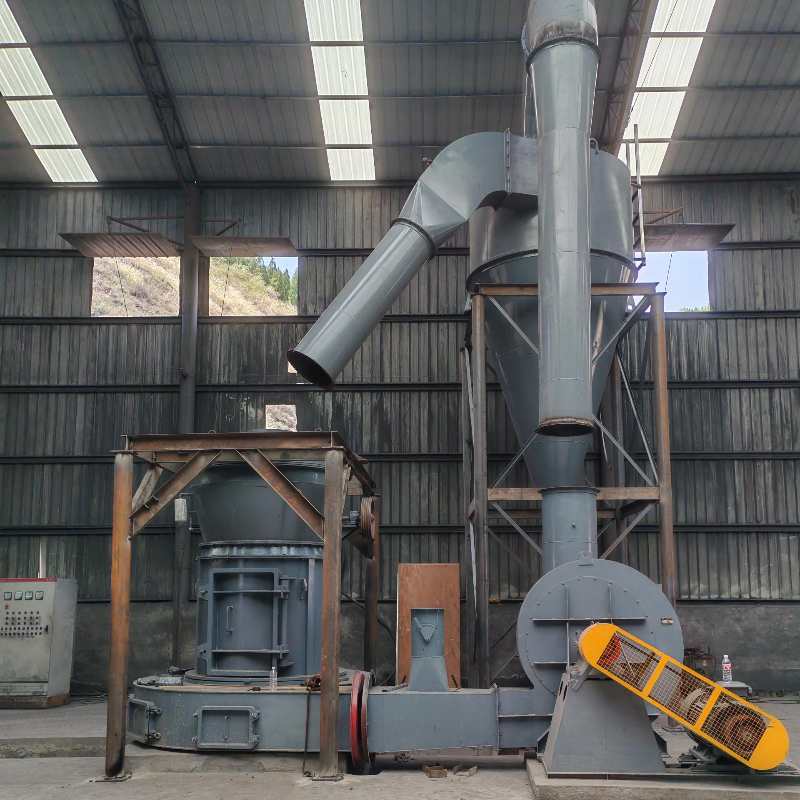
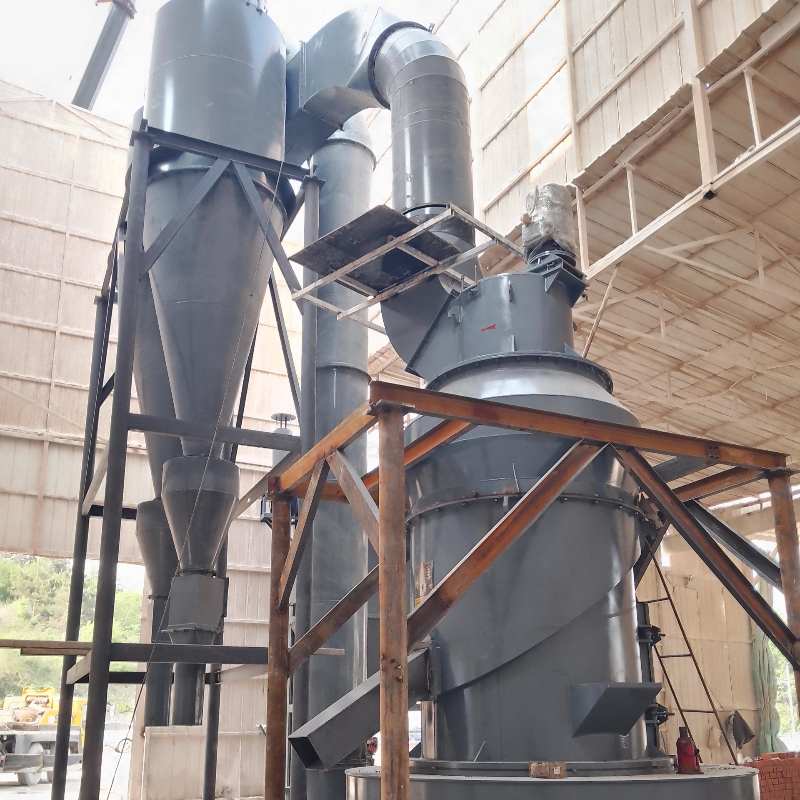
CRRM Raymond Mill
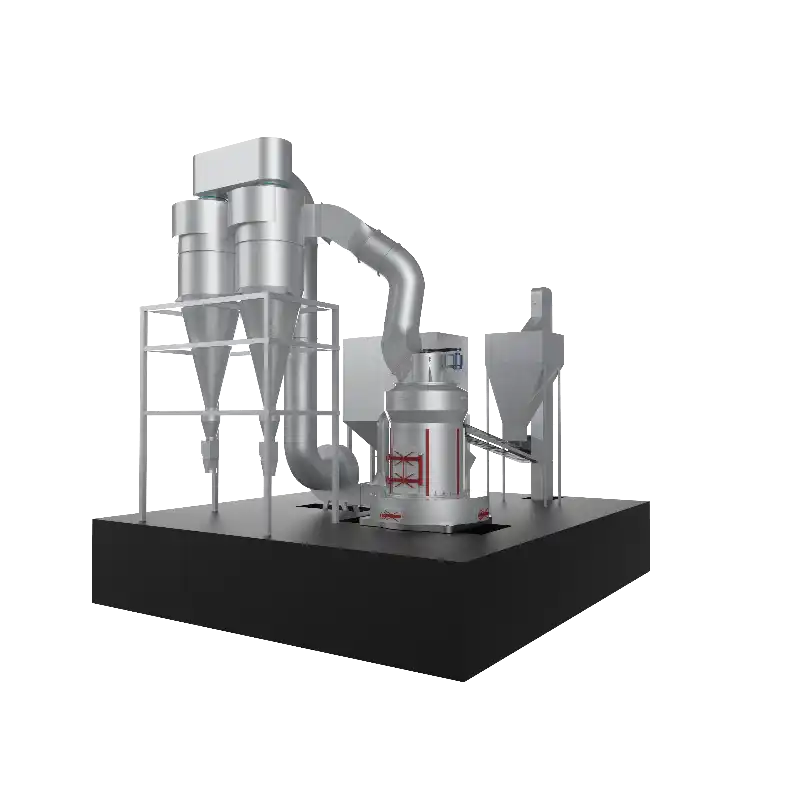
The fineness of quicklime directly affects the digestion rate before slurry preparation. Shanghai Cronus's mills can process limestone or quicklime to 80-400 mesh (or even finer). Its high-yield and stable characteristics make it the preferred front-end equipment for large-scale desulfurization plants and chemical plants.