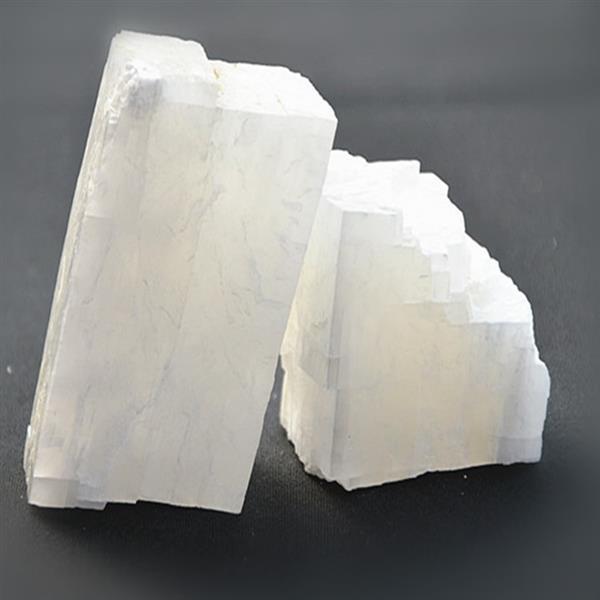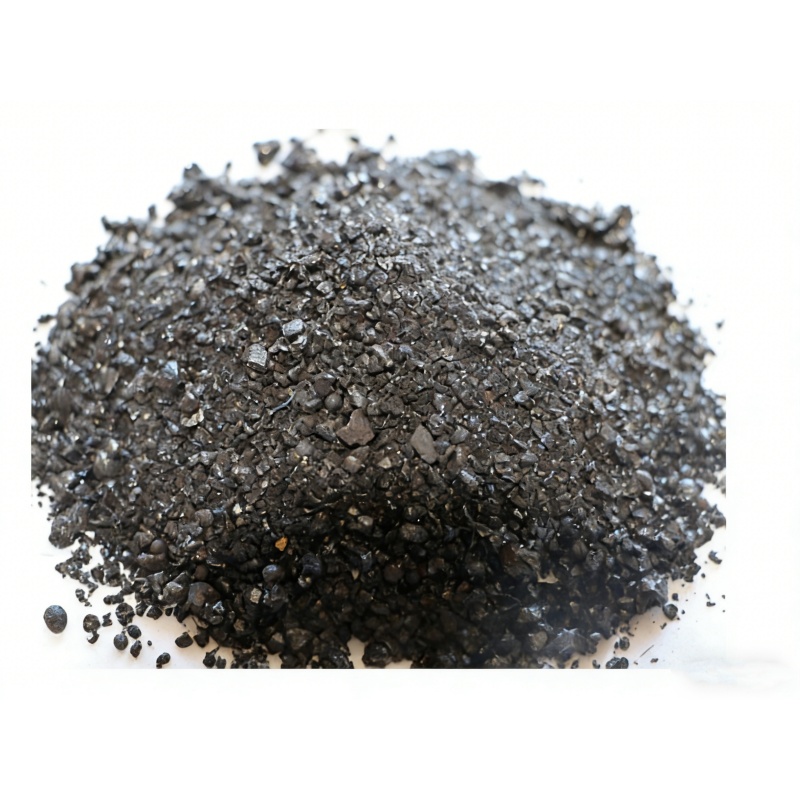
Slag refers to waste materials generated during production processes in industries such as metallurgy, mining, and petroleum refining. It is a solid waste product formed at high temperatures during the extraction of metals or other useful substances from ores. Slag typically possesses high hardness and density; furthermore, because it contains significant quantities of useful elements or compounds, it can—in certain instances—be utilized as a secondary resource. However, in other situations, slag may be hazardous and requires proper disposal to prevent adverse effects on the environment and human health.
Common types of slag include blast furnace slag from steelmaking, residues from non-metallic mineral smelting, petroleum coke from the petrochemical industry, and sintering slag from limestone processing. Among these, blast furnace slag from steelmaking is the most prevalent type; it is typically processed and utilized through methods such as blending and grinding—for example, as an aggregate component in concrete mixes or as roadbed filler.
Process Flow
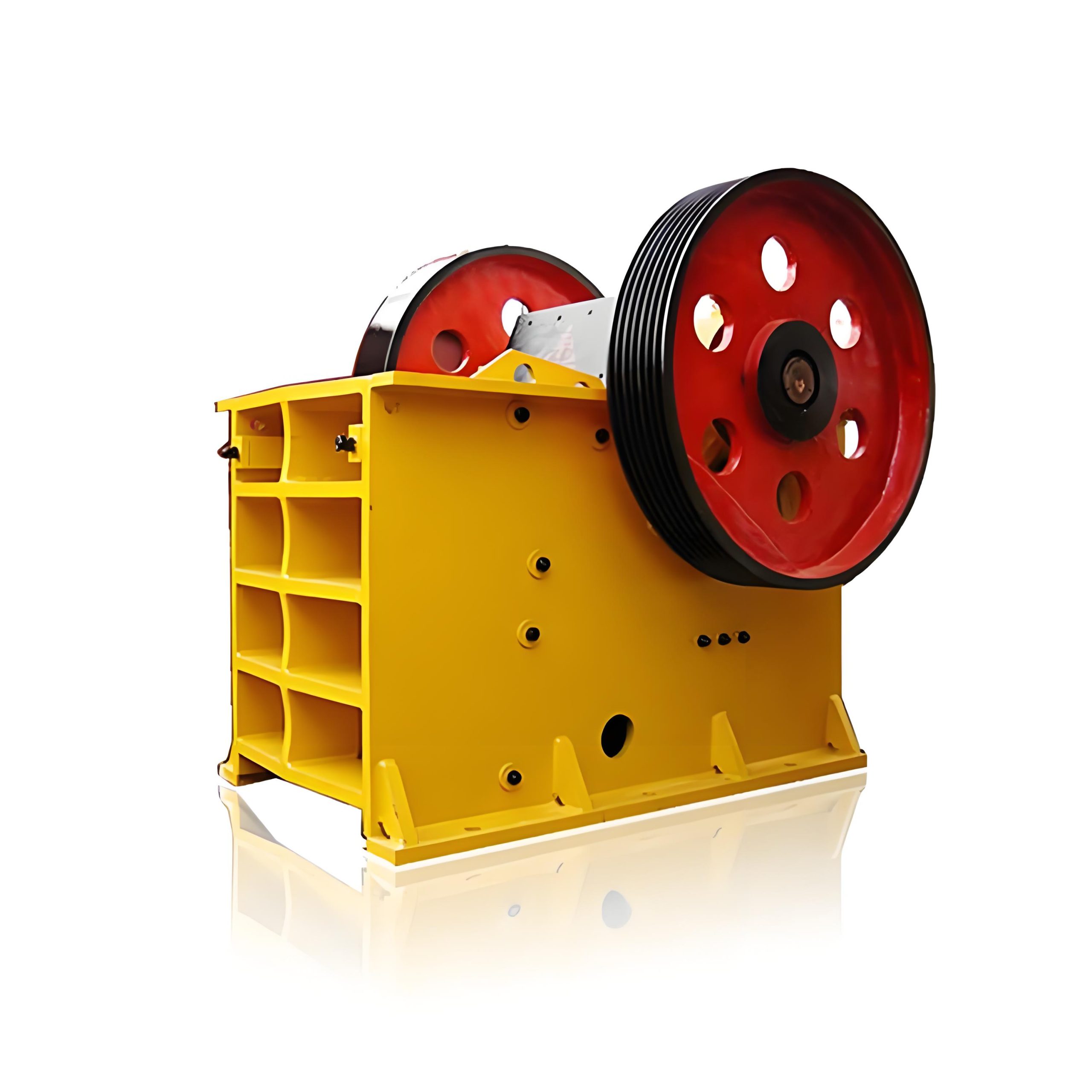
Stage 1: Preliminary Crushing
The slag undergoes preliminary crushing using a crusher to reduce it into smaller particles.
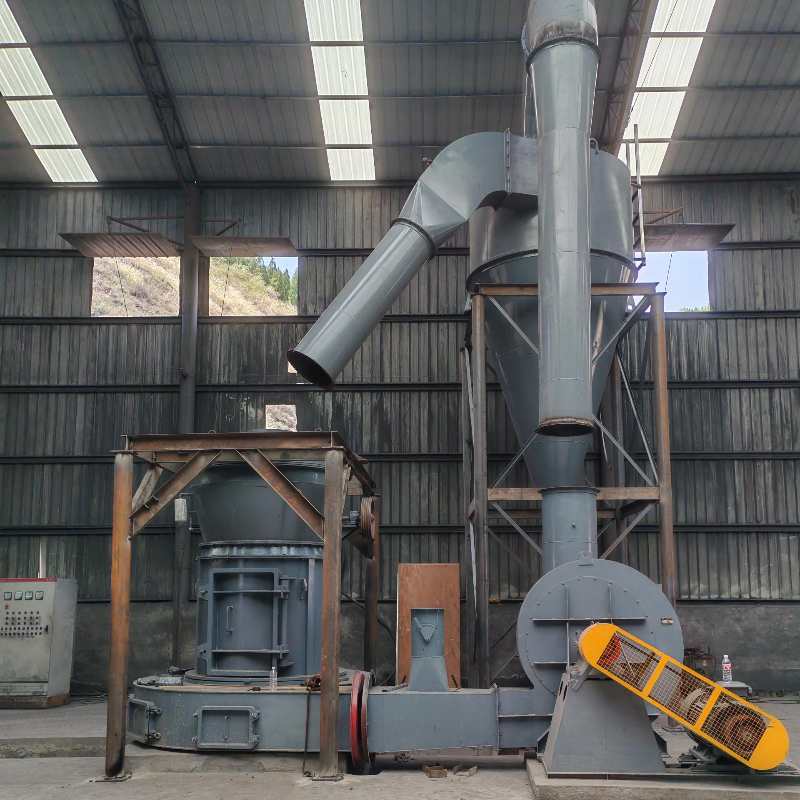
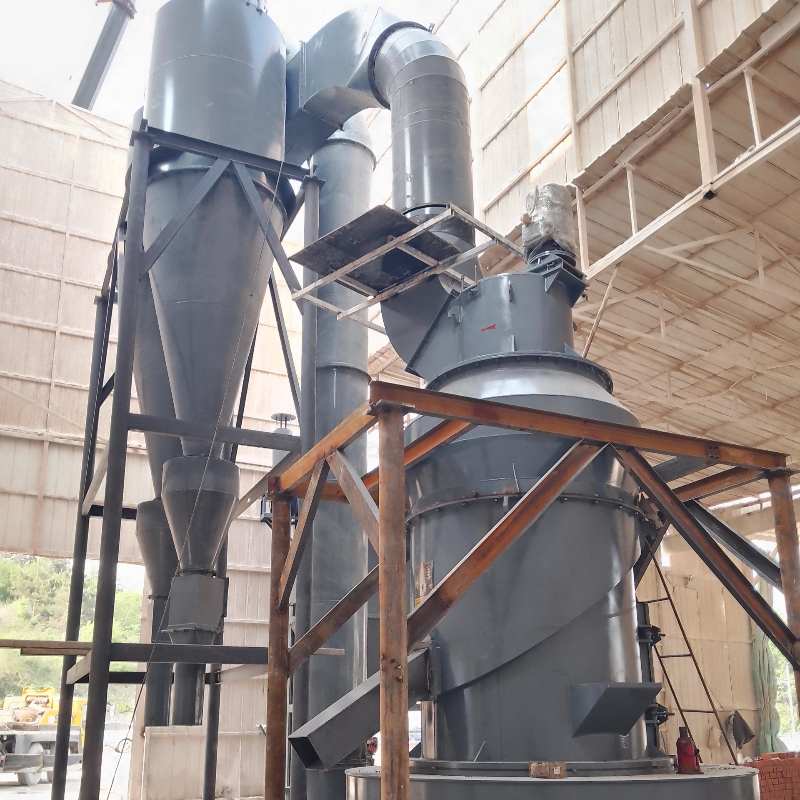
Stage 2: Fine Crushing and Pulverizing
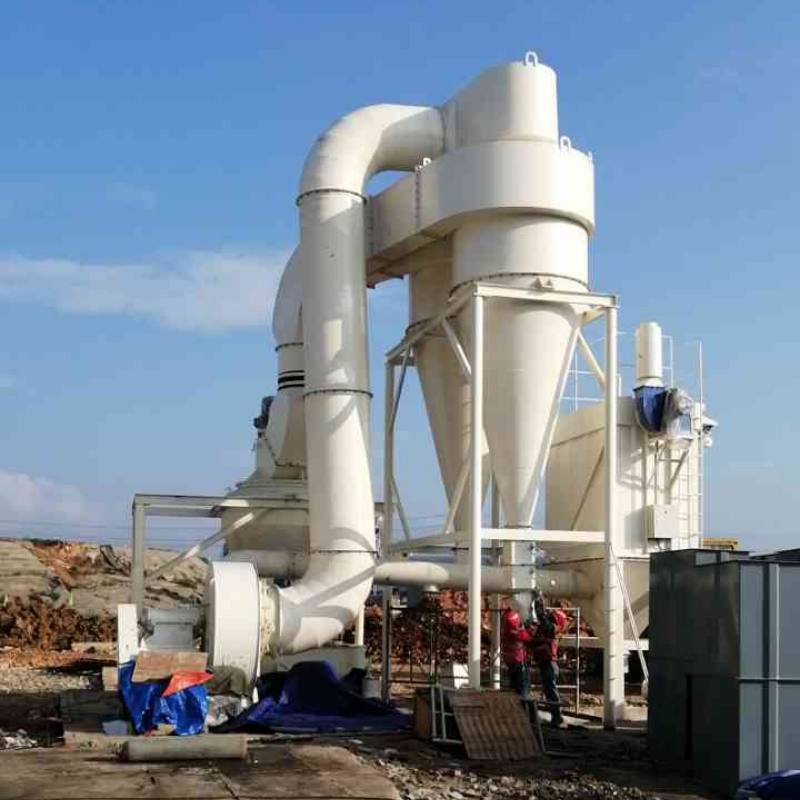
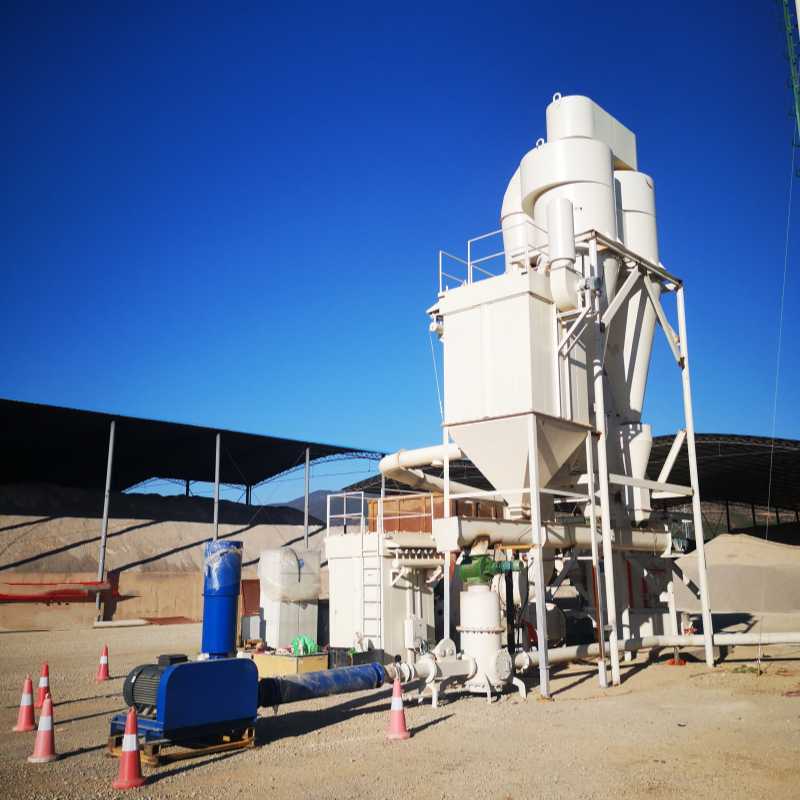
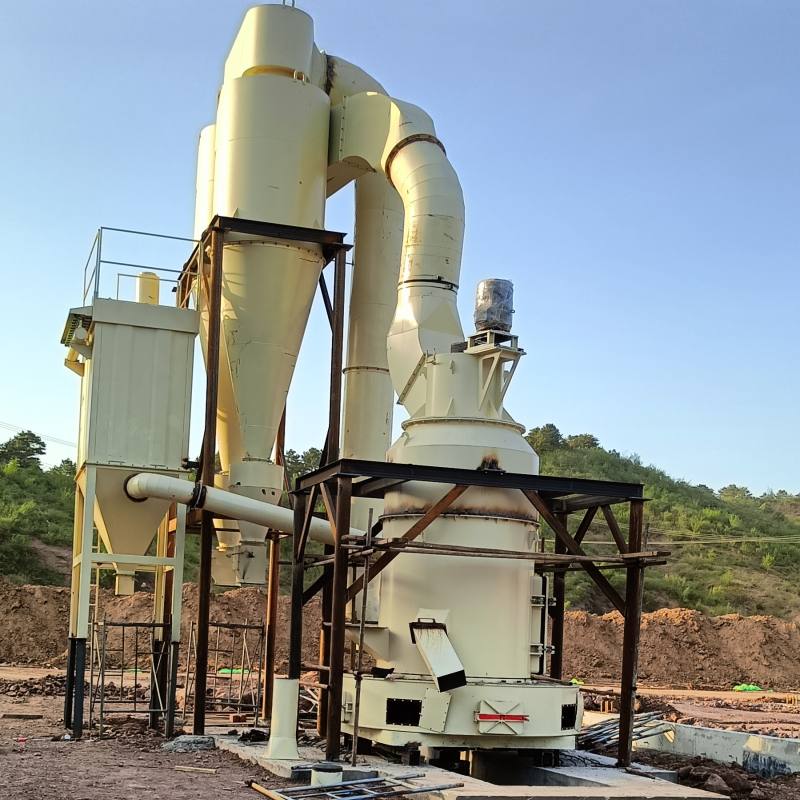
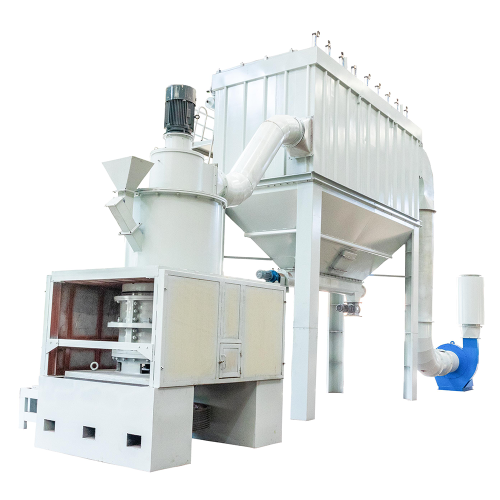
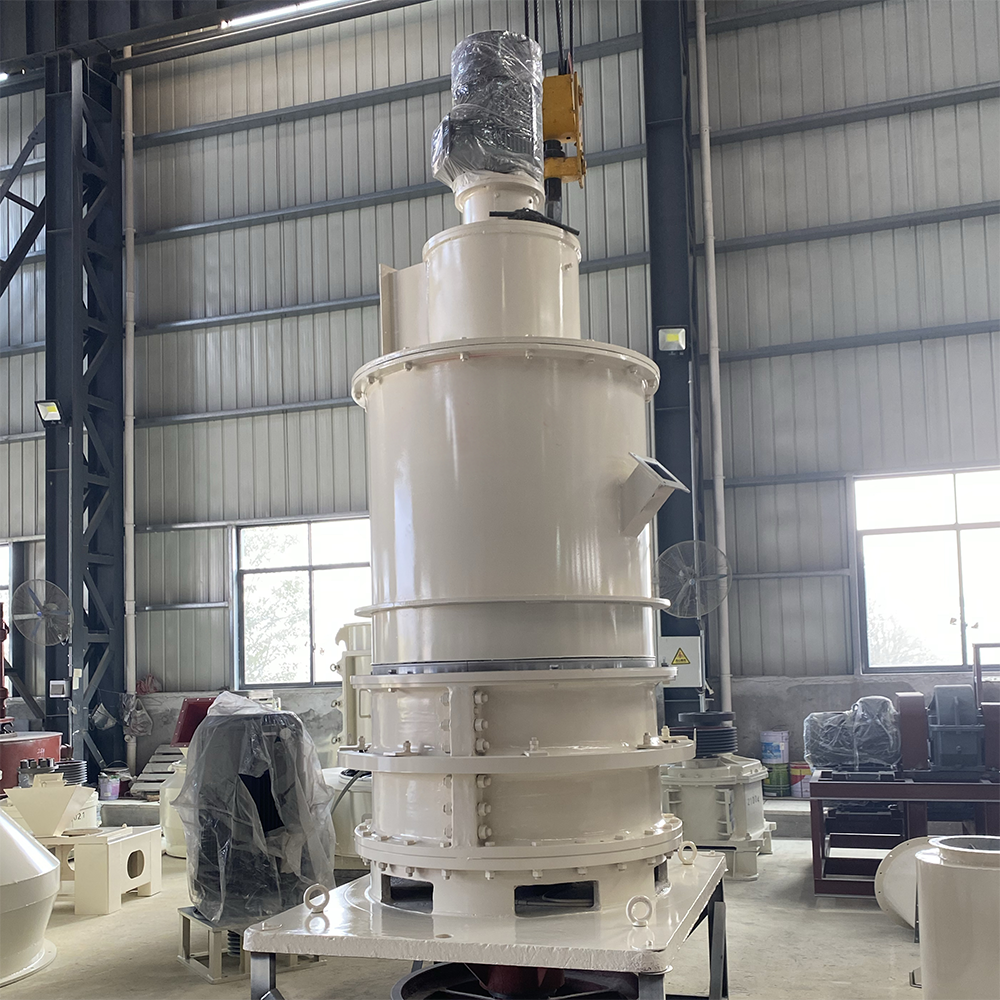
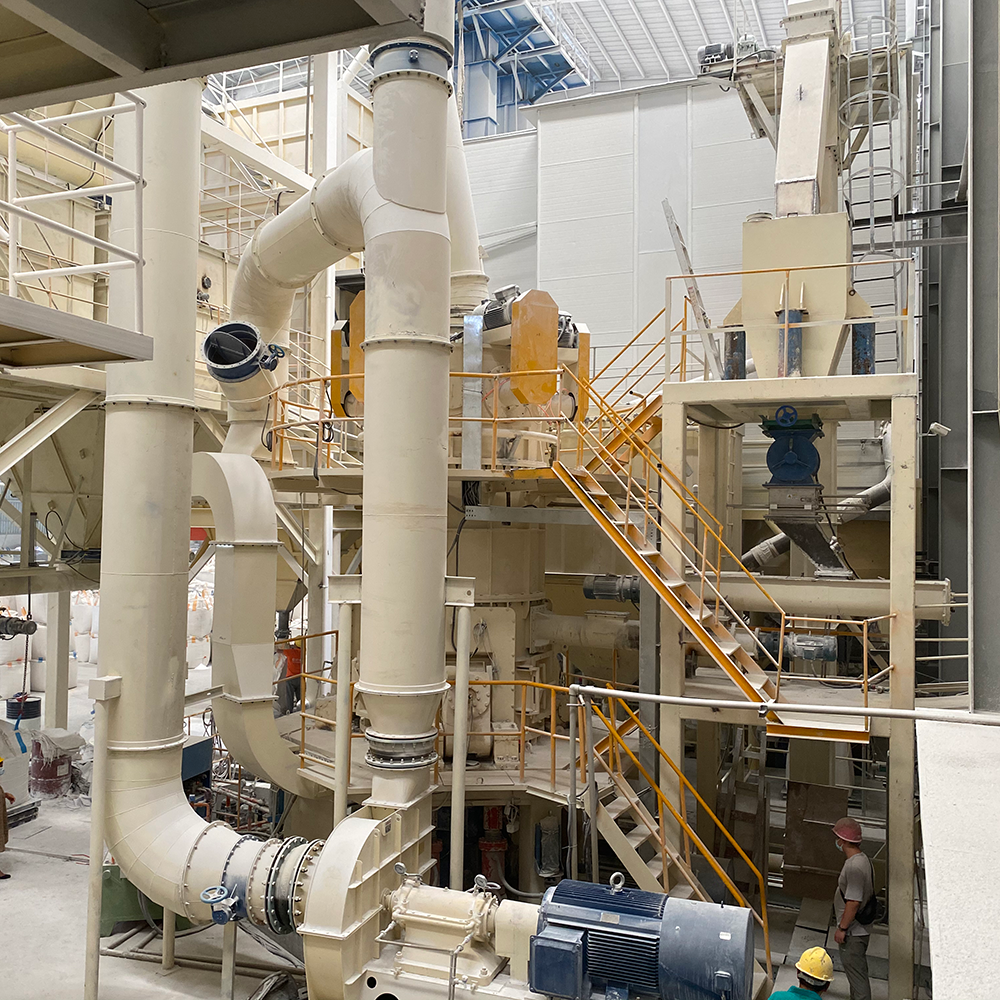
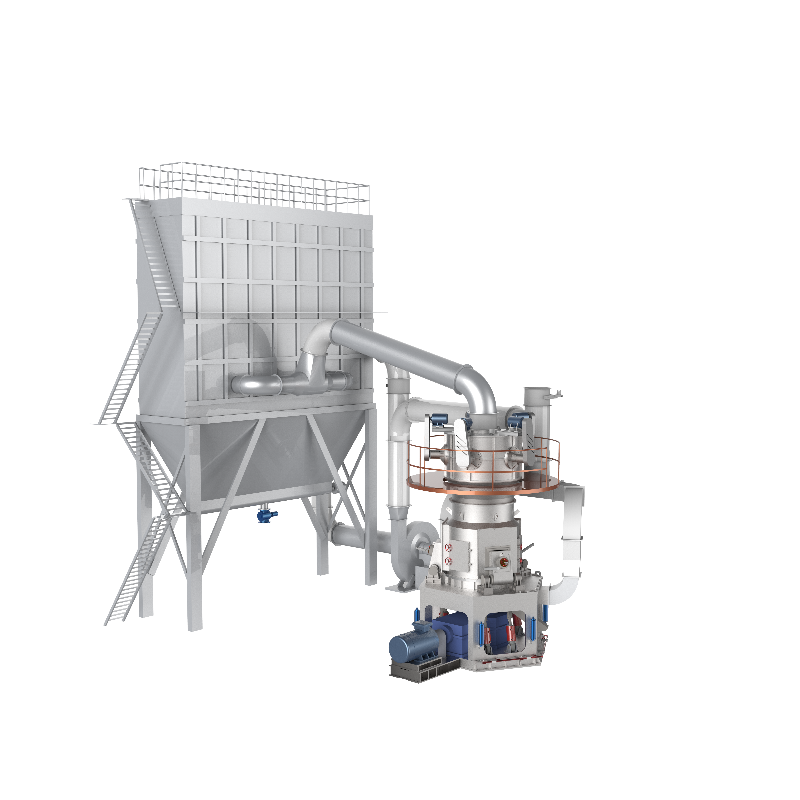
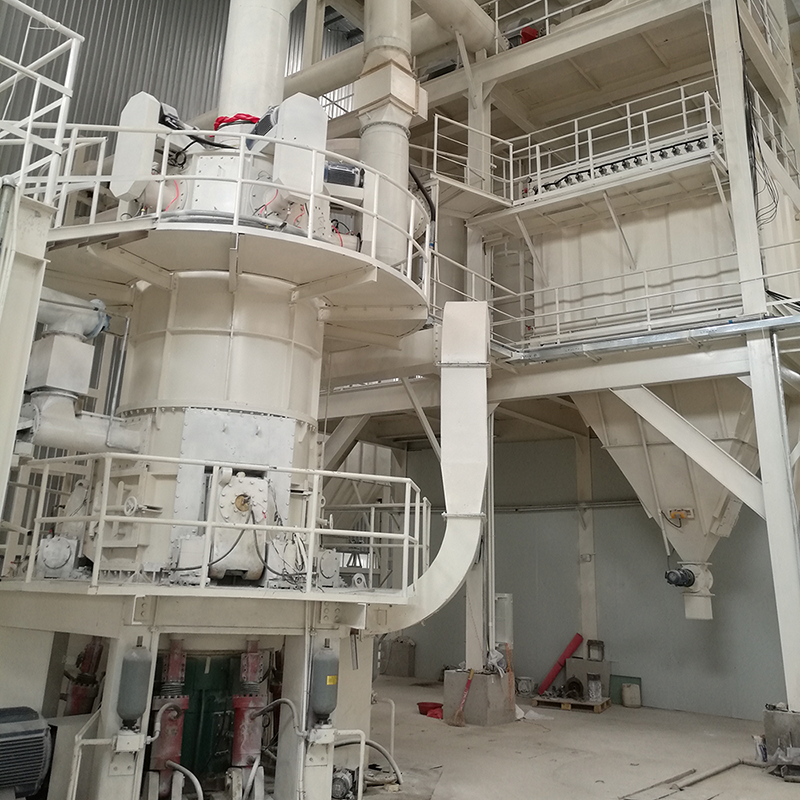
The preliminarily crushed slag is fed into a pulverizer (grinding mill) for fine crushing, transforming it into an even finer powder. During this stage, the operating parameters of the pulverizer—such as grinding speed and the addition of auxiliary materials—can be adjusted as needed.
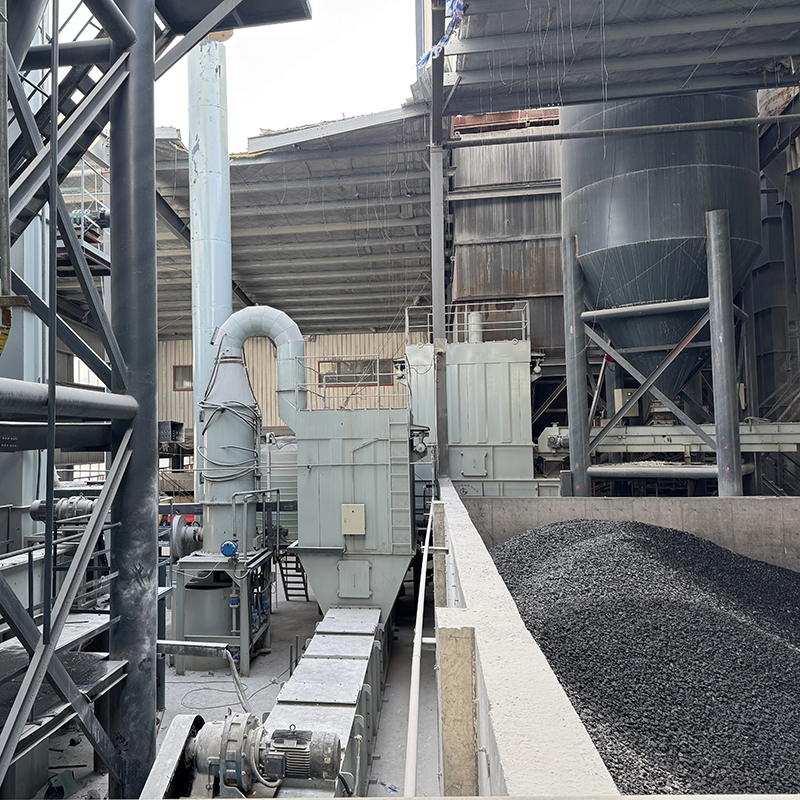
Stage 3: Screening and Classification
Once the slag powder has undergone screening and classification, it is ready for packaging and storage, facilitating its subsequent sale and transportation.
Stage 4: Packaging and Storage
The screened slag powder is packaged to facilitate ease of storage, transportation, and end-use.
It is important to note that during the pulverizing process, in order to ensure the stable operation of the grinding mill and the quality of the resulting powder, it is necessary to monitor and control the mill's operating duration and temperature, as well as to perform regular maintenance and upkeep on the equipment. Additionally, different types of slag may require distinct pulverizing processes; specific operational methods should be adjusted according to the actual conditions and requirements.
Primary Applications
Construction Materials: Slag can be utilized as a constituent component in construction materials, such as high-performance cement, concrete, bricks, and roadbed fillers. The incorporation of slag into construction materials serves to enhance their strength and durability while simultaneously reducing material costs and minimizing environmental impact.
Agricultural Applications: Slag can be employed as a soil amendment to improve soil quality, increase soil fertility, and enhance moisture retention capabilities, among other benefits. Furthermore, slag contains various trace elements that can promote plant growth.
Industrial Raw Materials: Slag is rich in useful elements and compounds—such as iron, aluminum, potassium, and silicon—and can serve as an industrial raw material for the production of other products, including iron, aluminum, and silicates.
Environmental Remediation: Slag can be utilized in applications such as wastewater treatment, waste gas purification, and waste disposal. It is capable of adsorbing, precipitating, or neutralizing harmful substances present in wastewater, waste gases, and solid waste, thereby mitigating environmental pollution and degradation.
Summary
slag possesses an exceptionally broad range of applications across numerous fields, effectively facilitating both resource utilization and environmental protection.