Ballast stone is an important raw material for highway and railway construction as well as concrete. In recent years, the rapid development of national infrastructure construction has driven investors to turn their attention to the field of ballast crushing. This article will share from aspects such as what ballast is, the types of ballast crushers, and the skills for choosing a ballast crusher why crushing ballast stone is profitable, as well as how to select the right ballast stone crusher.
Ballast stone - an important source of infrastructure construction materials
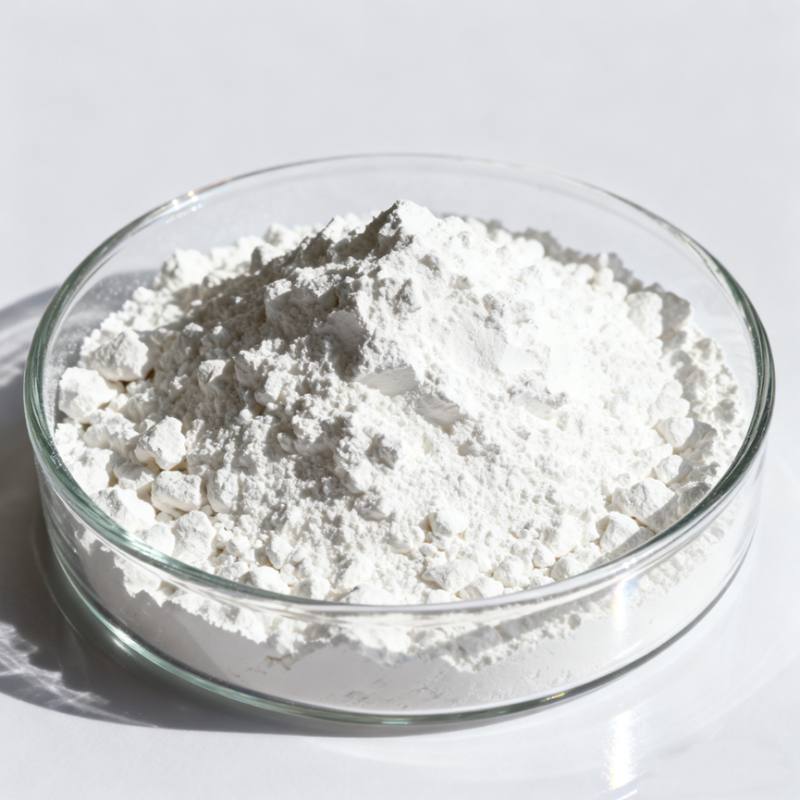
Ballast stone is a granular material, usually composed of crushed stones, broken bricks, pebbles, gravel or sand. It is an important material for the construction of railways, highways and buildings. The quarry that supplies ballast and gravel plays a decisive role.
What is the price of ballast stone crushers? What types of railway ballast stone crushers are there?
Ballast stone is an important raw material for highway and railway construction as well as concrete. In recent years, the rapid development of national infrastructure construction has driven investors to turn their attention to the field of ballast crushing. This article will share from aspects such as what ballast is, the types of ballast crushers, and the skills for choosing a ballast crusher why crushing ballast stone is profitable, as well as how to select the right ballast stone crusher.
Ballast stone - an important source of infrastructure construction materials
Ballast stone is a granular material, usually composed of crushed stones, broken bricks, pebbles, gravel or sand. It is an important material for the construction of railways, highways and buildings. The quarry that supplies ballast and gravel plays a decisive role.
Characteristics of ballast stone
- Good weather resistance and high hardness. For example, basalt, quartz, diabase, granite, etc.
- Particle size meets the standard. For instance, basalt super ballast shall not be less than 28mm and not more than 58mm. The standard for first-grade ballast is 25 to 70mm.
- A sufficiently dense level can provide sufficient strength to secure the sleepers in place.
- -Resist temperature changes and water erosion.
Stone Classification and Quality
| Category Name | Variety Name | Grain Size (mm) | Weight (kg/m³) |
|---|---|---|---|
| Crushed Stone | Ultra Fine Gravel | 5-10 | Approx. 1400-1500 |
| Fine Gravel | 10-20 | ||
| Medium Gravel | 20-40 | ||
| Coarse Gravel | 40-150 | ||
| Pebble | Ultra Fine Pebble | 5-10 | Approx. 1600-1800 |
| Fine Pebble | 10-20 | ||
| Medium Pebble | 20-40 | ||
| Coarse Pebble | 40-510 |
Note: Gravel is generally produced by crushing granite, sandstone, quartzite, basalt, etc.; Pebble is a general term for crushed stone, river pebble, and river gravel.
| Model | Features | Application & Recommendations |
|---|---|---|
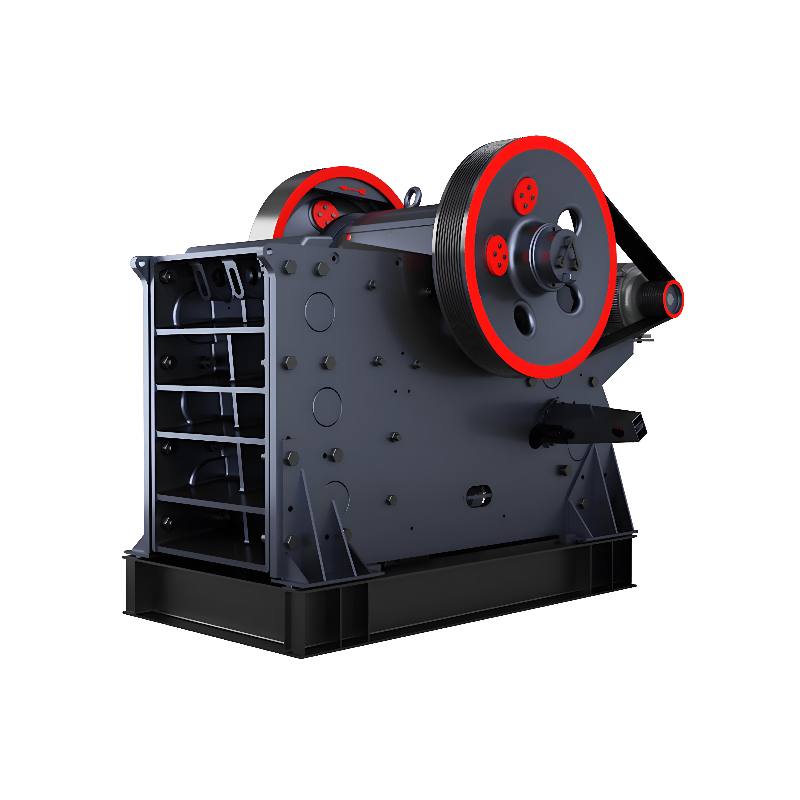
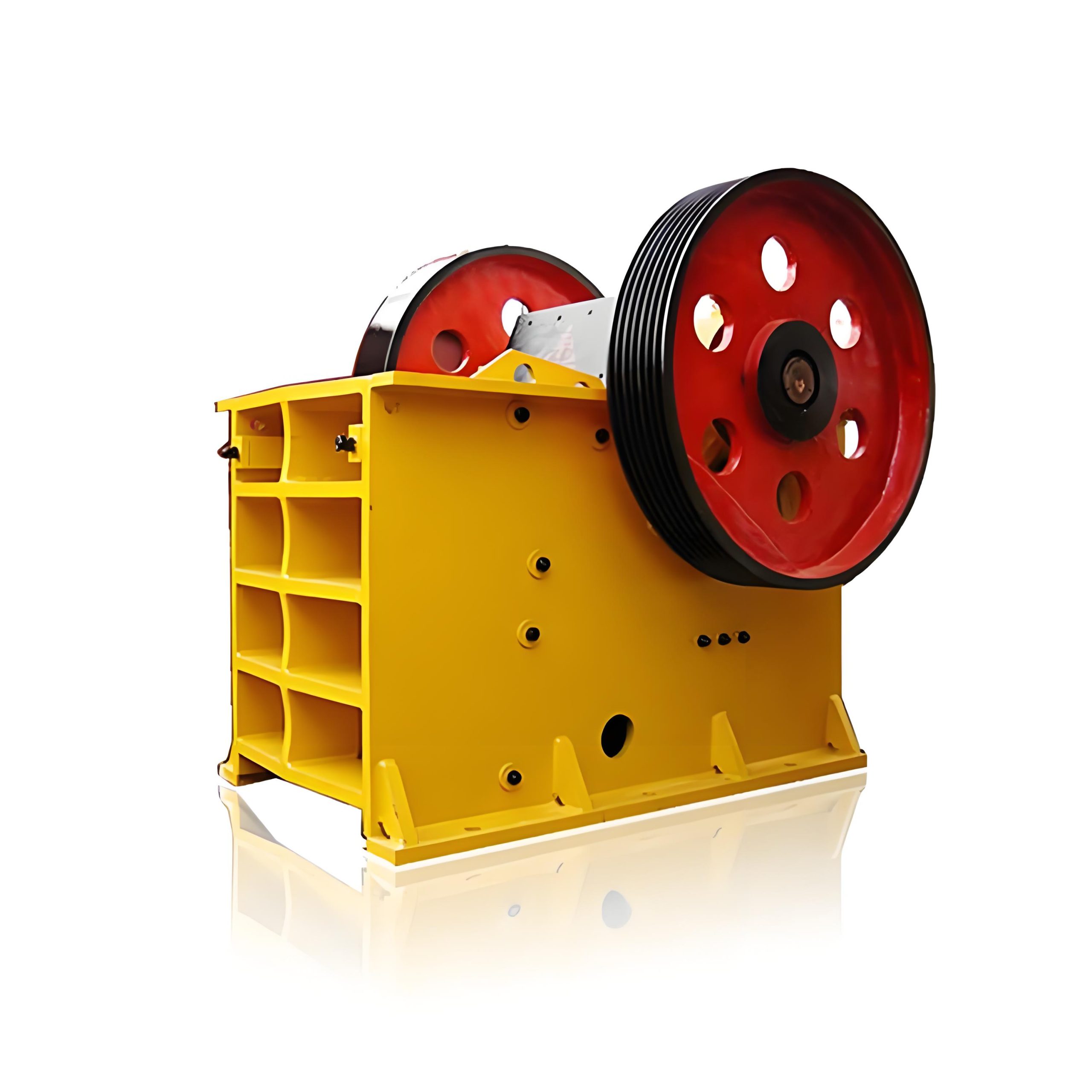
| Jaw Crusher | Can crush large materials (1000×1200mm)Suitable for primary crushingHigh crushing ratioStrong stability | Ideal for processing large raw stonesExcellent for primary reduction of oversized materialsPerfect as the first stage in multi-stage crushing processes |
| Impact Crusher | Can crush various coarse, medium and fine materialsHandles granite, limestone, concrete, etc.Feed particle size ≤ 500mmCompressive strength ≤ 350MPaUniform finished particle shape | Preferred for medium and fine crushed ballastSuitable for high-standard railway ballastExcellent for producing cubical end products |
| Hammer Crusher | Highly efficient and productiveWears out relatively quicklySimple structure and easy maintenanceHigh reduction ratio | Suitable for medium and low hardness stonesIdeal for materials with low abrasivenessGood for secondary crushing applications |
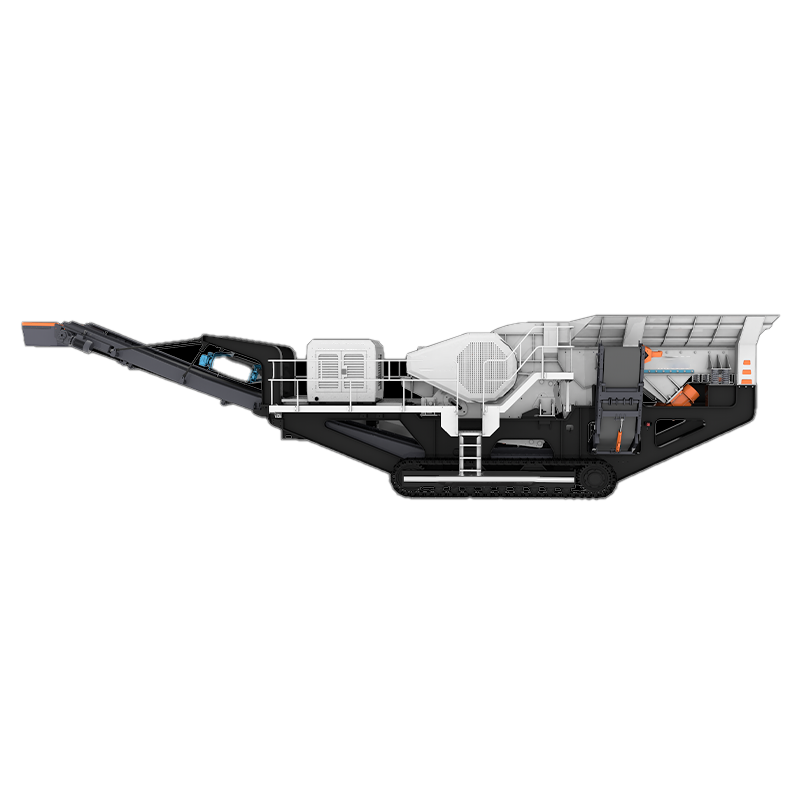
| Mobile Crusher | Flexible relocation capabilityIntegrated feeding, crushing, and screeningQuick setup timeSelf-contained system | Suitable for on-site operations in mines or construction sitesLow comprehensive costIdeal for temporary projects or multiple locationsReduces material transportation costs |
Selection Recommendations:
For railway ballast production, impact crushers are generally preferred due to their ability to produce uniform, cubical particles that meet high-standard specifications. Jaw crushers work well as primary crushers for large raw materials, while mobile crushers offer flexibility for projects requiring on-site processing. Hammer crushers are cost-effective for softer materials but may require more frequent maintenance.
How to choose the appropriate ballast crusher based on one's own actual situation?
When the output is large and the production site is sufficient, a combination of jaw crushers, impact crushers and vibrating screens can be selected.
When this combination is used for batch production of ballast stones, the finished product has a better particle shape and a larger output.
When the output is average and the process requirements are simple, hammer crushers and vibrating screens can be directly selected.
Hammer crushers have unique performance advantages, featuring beautiful particle shape, strong crushing capacity, large crushing ratio and high cost performance.
When the production site is small and the ballast stacking locations are relatively scattered, mobile crushers can be used to handle the ballast.
The mobile crushing station can be combined according to the actual situation of the user. It is convenient and flexible to move, technologically advanced, and has an energy-saving and environmentally friendly production process. It is frequently used on many construction sites that require mobile crushing.