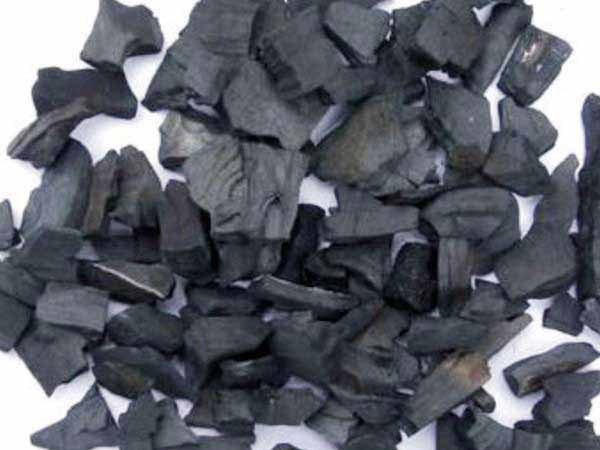
Carbon black is a vital industrial raw material widely utilized in fields such as rubber, plastics, printing inks, and coatings. The fineness of carbon black has a direct impact on its performance. To enhance the efficacy of carbon black in applications and increase its added value—specifically by controlling particle size and dispersibility—it is necessary to subject it to an ultrafine grinding process.
Definition and Function of Ultrafine Grinding
Ultrafine grinding refers to the highly precise milling and processing of carbon black to ensure smaller particle sizes and greater size uniformity. A larger specific surface area correlates with superior dispersibility of the carbon black powder, which in turn exerts a positive influence on improving the mechanical and physicochemical properties of the final product.
Primary Methods of Ultrafine Grinding
Currently, there are two primary methods for the ultrafine grinding of carbon black: wet grinding and dry grinding.
Wet Grinding
Wet grinding involves co-milling carbon black with a liquid medium (typically water or an organic solvent); the grinding media exert shear and crushing forces upon the carbon black to achieve the desired fineness. In wet grinding, the required fineness of the carbon black can be achieved by precisely controlling factors such as grinding duration, the concentration of the grinding media, and the specific properties of the medium itself.
Dry Grinding
Dry grinding refers to the co-milling of carbon black with grinding media (typically a gas or solid); the carbon black is refined through the application of forces such as impact, friction, and shear.
Advantages of Wet Ultrafine Grinding mill
In wet grinding applications, ultrafine grinding mills are the most commonly utilized equipment and rank among the most widely applied types of grinding machinery. The operating principle of these mills involves employing high-speed rotating agitators (typically affixed to the inner walls of the equipment) to subject the carbon black and grinding media to intense shear, impact, and compressive forces.
This action fractures the carbon black particles and, through centrifugal force, disperses them throughout the liquid medium. This high-shear dispersion method offers numerous advantages—including exceptional grinding efficiency, process stability, and ease of operation—making it an ideal choice for large-scale production and for applications requiring high-precision results.