What Is a Raymond Roller Mill?
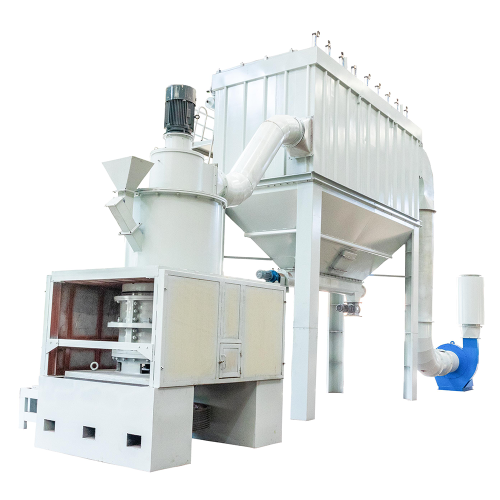
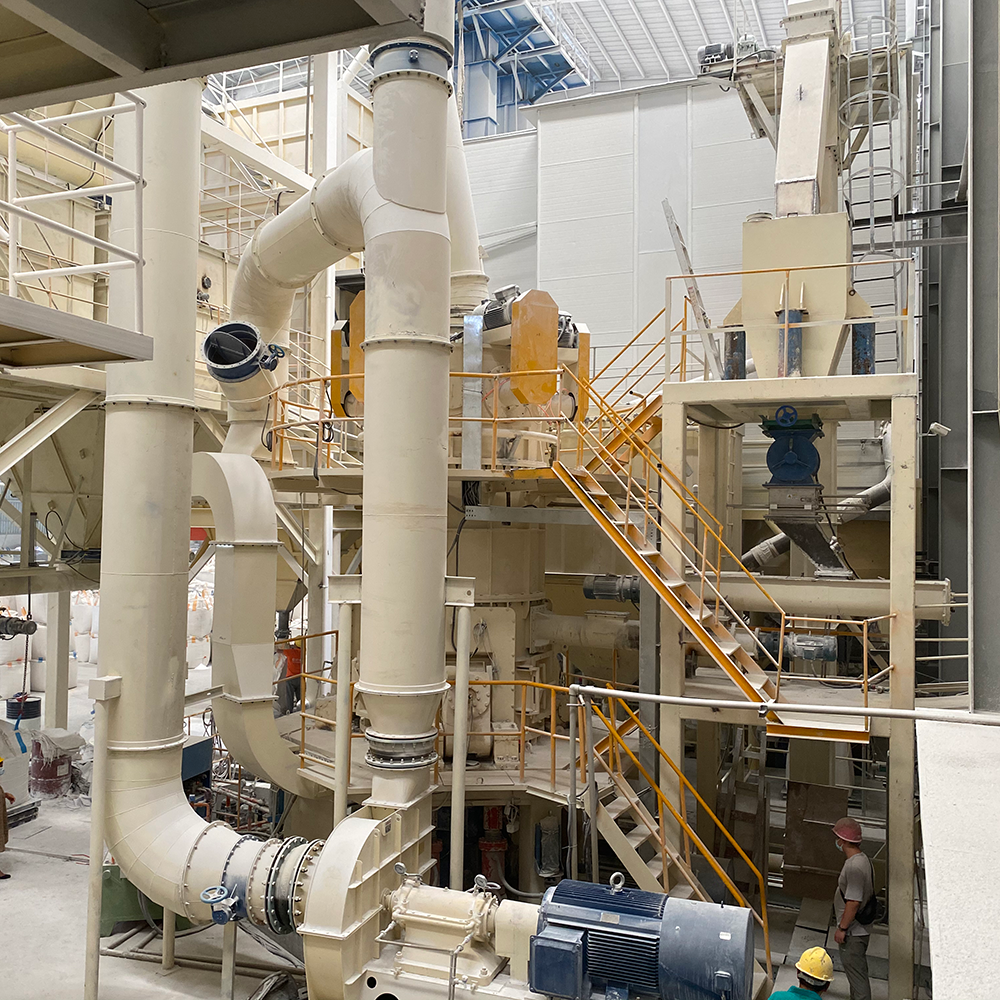
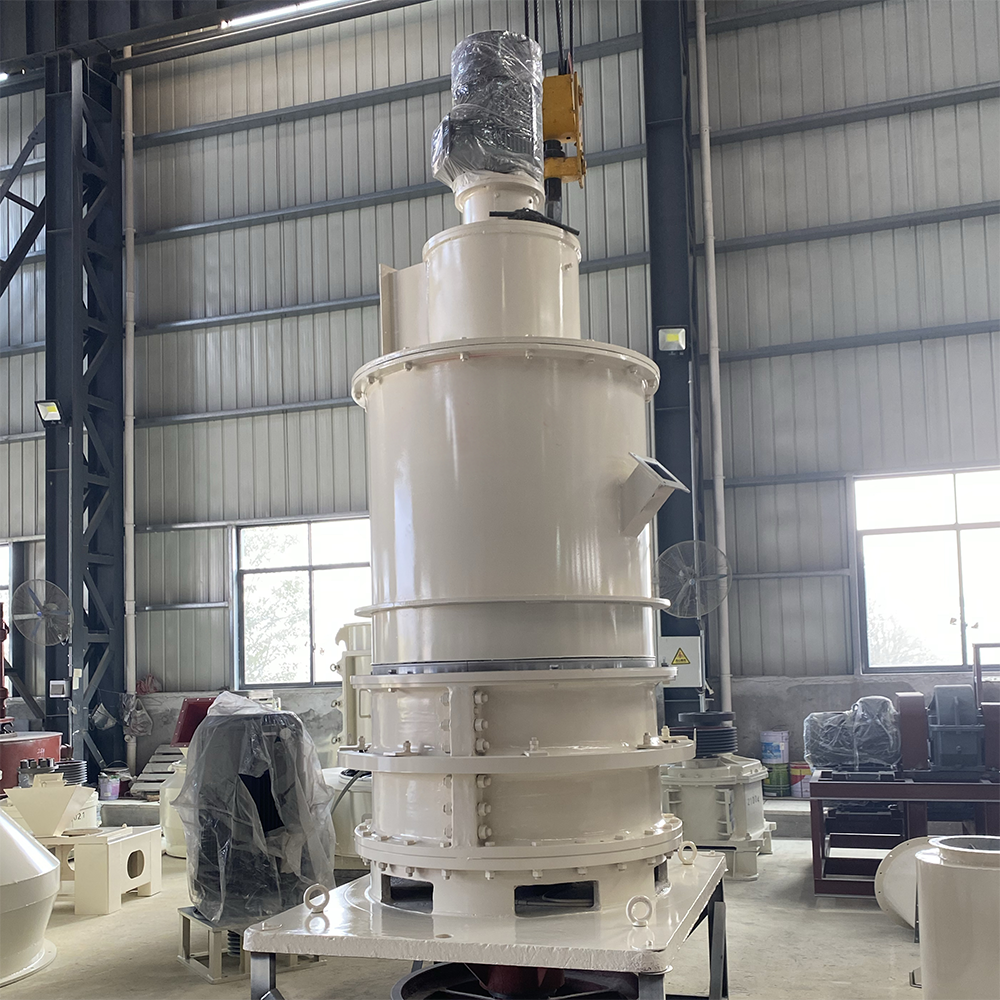
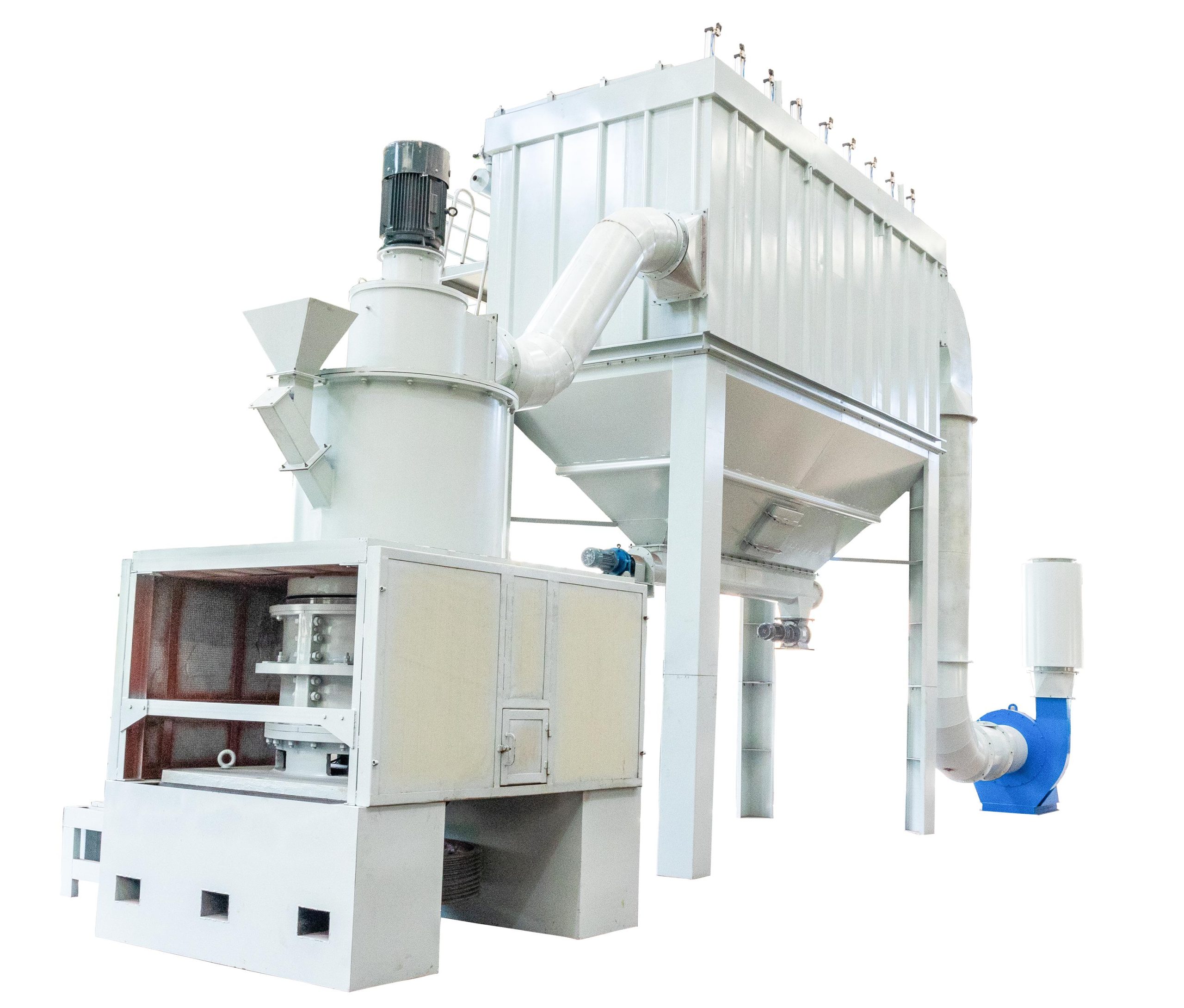
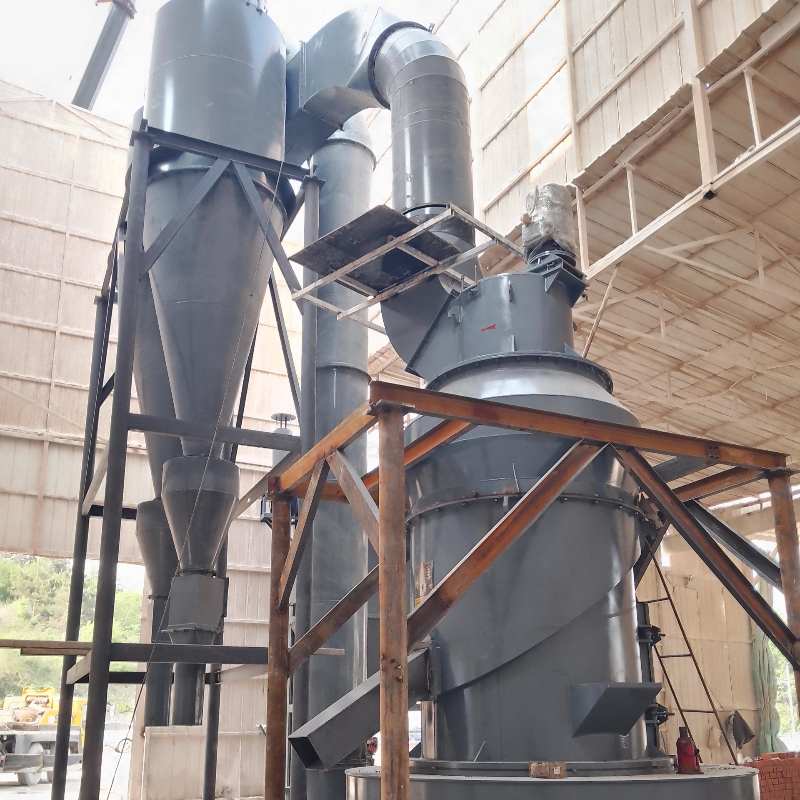
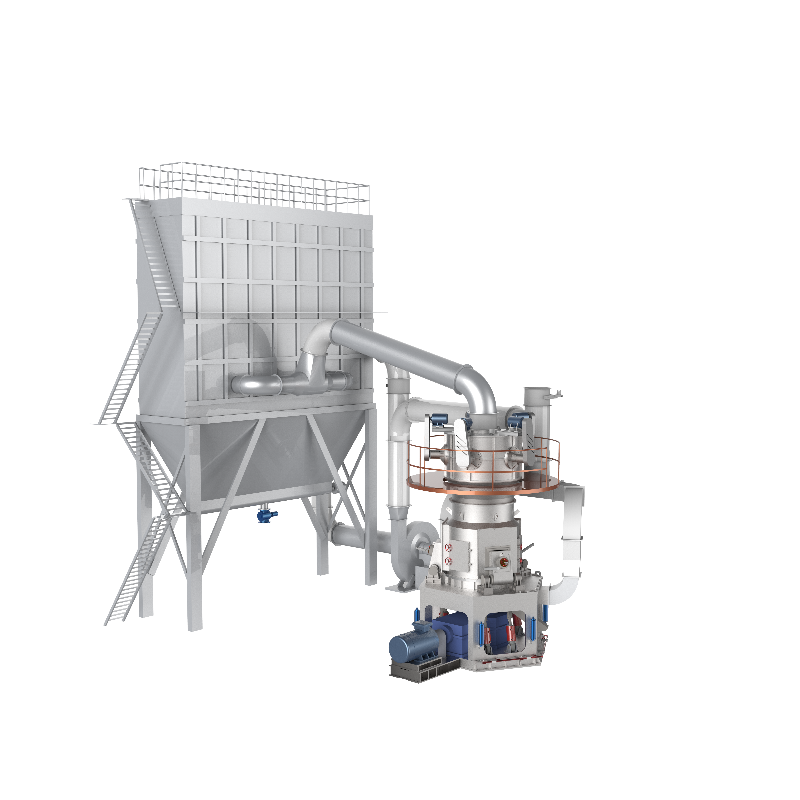
A raymond roller mill — also called a raymond mill machine or raymond grinding mill — is a vertical pendulum-type grinding system designed for fine and superfine dry powder production. It processes non-metallic minerals with a Mohs hardness of 7 or below and moisture content below 6%, reducing feed material from 20–30 mm down to finished powder ranging from 80 mesh (180 microns) to 400 mesh (38 microns) in a single pass.
How a Raymond Roller Mill Works
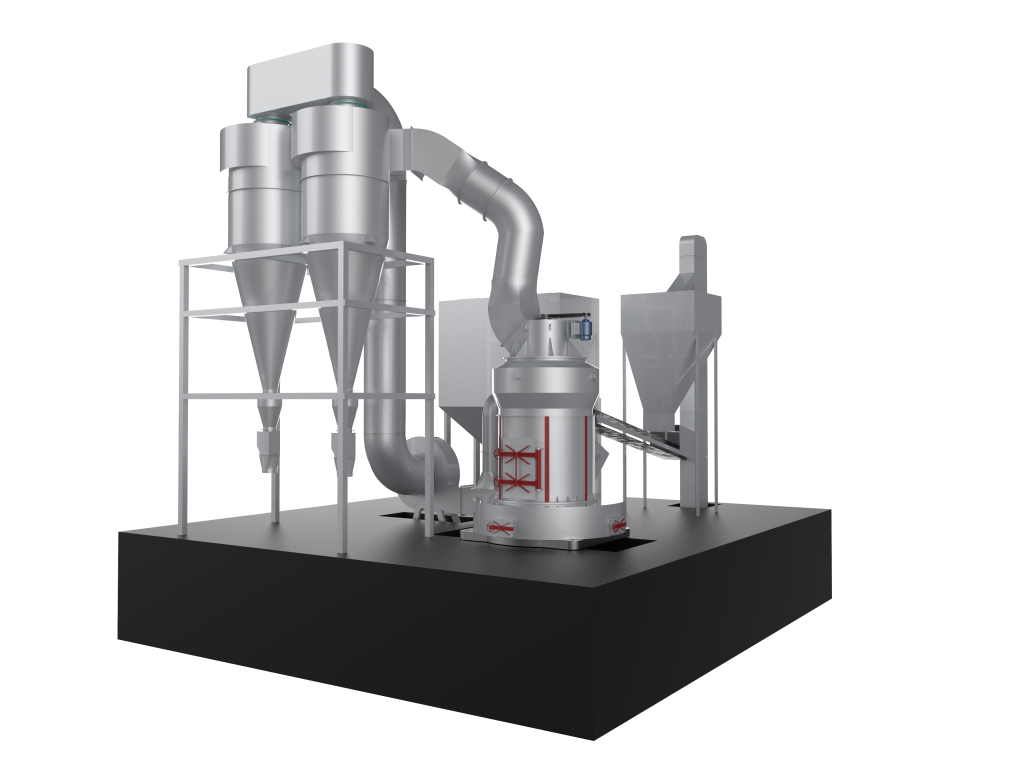
Understanding the raymond mill working principle is essential for correct operation and troubleshooting. The process follows five stages:
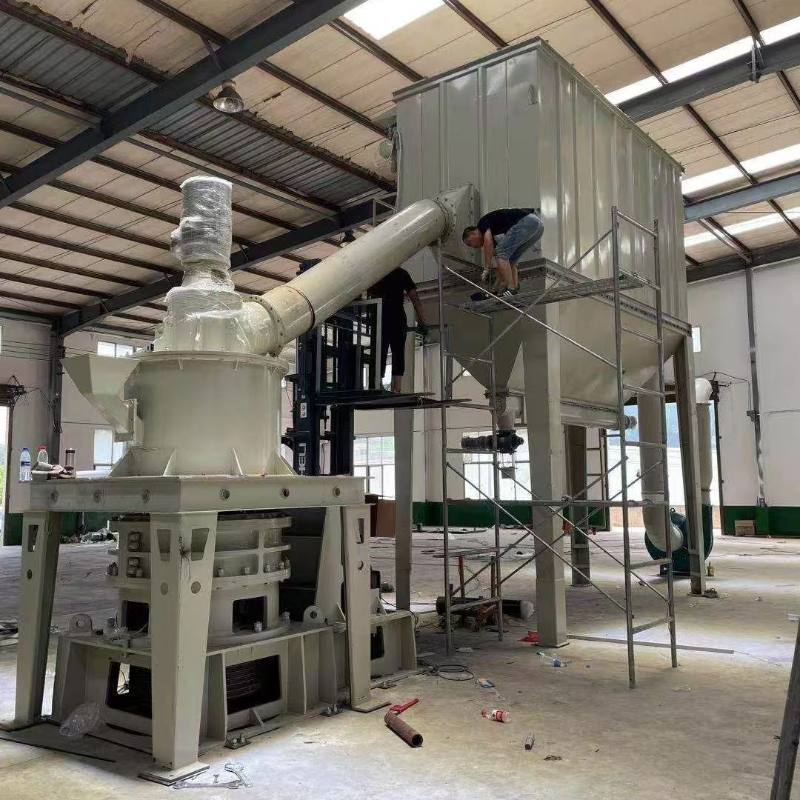
- Feeding: Raw material is fed into the grinding chamber via a vibrating feeder. A central rotating shaft driven by an electric motor turns a spider assembly holding 3–6 grinding rollers.
- Grinding: Centrifugal force swings the rollers outward against a stationary grinding ring. Material is crushed and ground between the rollers and the ring. The grinding pressure is controlled by adjustable spring tension.
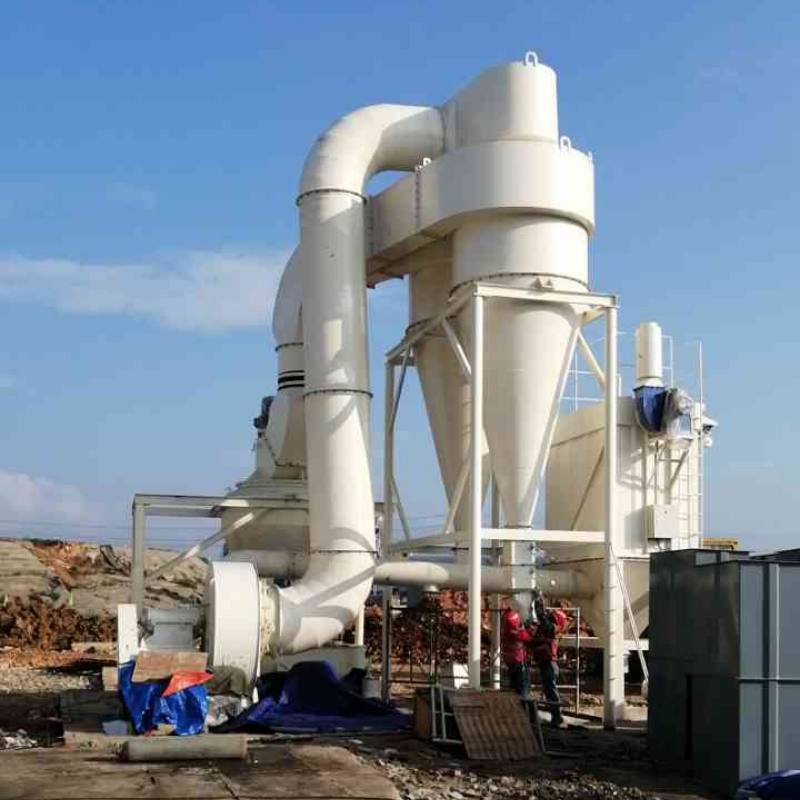
- Classification: A high-speed air classifier installed above the grinding zone separates coarse particles (returned for re-grinding) from fine powder meeting the set mesh size.
- Collection: Fine powder carried by the airflow enters a cyclone collector where it separates from the air and drops into the product hopper.
- Dust Control: Residual dust-laden air passes through a pulse-jet bag filter before clean air is recycled back into the mill, creating a closed negative-pressure system that minimises dust emissions.
The entire circuit operates under negative pressure, which significantly reduces dust leakage compared to open systems and enables compliance with modern environmental regulations.
Technical Specifications & Capacity
Typical performance parameters for a modern raymond roller mill:
- Feed size: ≤20–30 mm (depending on model)
- Output fineness: 80–400 mesh (180–38 μm), with superfine models reaching 800+ mesh
- Capacity: 1–25 t/h depending on model, material hardness, and target fineness
- Installed power: 15–185 kW
- Roller number: 3, 4, or 5 rollers depending on model size
- Moisture requirement: feed moisture ≤6%
- Material hardness: Mohs ≤7
Capacity decreases as target fineness increases. For example, a mid-range mill grinding limestone to 200 mesh may achieve 8 t/h, while grinding the same material to 325 mesh reduces throughput to approximately 5 t/h. Always request a capacity curve from your raymond roller mill manufacturer for the specific material and fineness combination you require.
Raymond Roller Mill vs. Ball Mill vs. Vertical Roller Mill
Raymond Roller Mill: Best for small-to-medium capacity (1–25 t/h), fine powder (80–400 mesh), lower capital cost, easy maintenance. Ideal for chemical, coating-grade, and specialty mineral applications.
Ball Mill: Better for high-capacity coarse grinding or wet grinding. Higher energy consumption per tonne, but capable of processing hard materials above Mohs 7. Preferred in cement and mining industries.
Vertical Roller Mill : Higher capacity (20–200+ t/h), lower specific energy, better suited for large-scale industrial production. Higher capital cost and more complex maintenance. Cronus offers both options — see the Vertical Roller Mill page.
Five Reasons Industry Leaders Choose a Raymond Mill Machine
- Adjustable fineness without stopping. Variable-frequency classifiers on modern machines allow continuous fineness adjustment from 80 to 400 mesh during production, enabling manufacturers to run multiple product grades on a single machine.
- Energy efficiency. Compared to ball mills, raymond roller mills consume up to 30–40% less electricity per tonne of finished product at equivalent fineness, directly reducing operating costs.
- High availability. A well-maintained raymond roller mill achieves annual availability above 95%. Wear parts (rollers, rings) are replaceable without dismantling the main shaft, minimising planned downtime.
- Environmental compliance. The sealed negative-pressure circuit and integrated pulse-jet dust collector keep fugitive emissions well below regulatory thresholds, making the raymond mill suitable for urban and peri-urban industrial parks.
- Low total cost of ownership. The combination of moderate capital cost, low energy consumption, accessible wear parts, and a broad secondary market for components gives the raymond grinding mill one of the lowest TCOs in its capacity class.
FAQ