Silicon carbide (SiC) is one of the hardest and most abrasive industrial minerals for powder grinding. While standard Raymond mills are designed for soft to medium-hard non-metallic ores, upgraded Raymond mill systems deliver cost-effective mid-to-ultrafine SiC powder production. This post breaks down SiC grinding properties, mill modification requirements, process flow, and equipment selection rules for industrial production lines.
Why SiC Grinding Is Unique
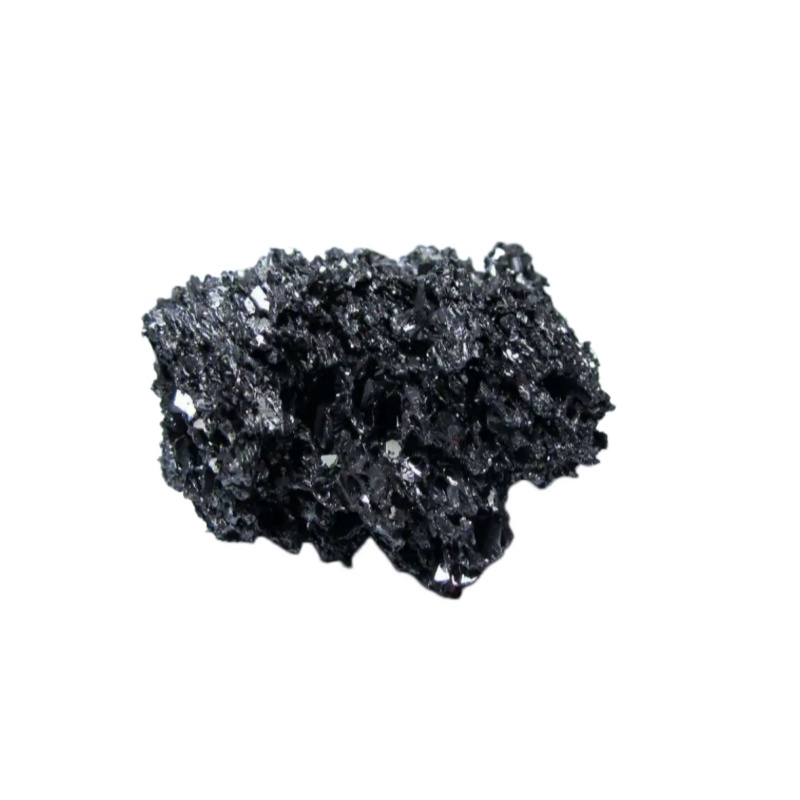
Silicon carbide (SiC) stands out among industrial raw materials due to its extreme hardness, high chemical inertness, and brittle mechanical properties. For production teams planning to process bulk SiC into fine or ultrafine powder, understanding its inherent characteristics is the first step to avoiding excessive equipment wear, unstable particle size distribution, and high operational costs.
Although Raymond mills are traditionally used for minerals with Mohs hardness ≤7, properly upgraded Raymond mill units are still the most balanced solution for large-volume SiC fine grinding when compared to jet mills and ball mills in the medium fineness range (80–325 mesh).
SiC is a synthetic ceramic compound formed by silicon-carbon covalent bonding. Natural SiC only exists as the rare mineral moissanite; over 99% of industrial-grade SiC is manufactured via the Acheson process — silica sand and petroleum coke react in an electric furnace at 1600–2500°C to form crystalline SiC blocks.
Four core properties directly determine SiC’s grinding difficulty and equipment configuration requirements:
Extreme Hardness & Abrasiveness
SiC features a Mohs hardness of ~9.5, second only to diamond among common industrial materials. This makes it far more abrasive than limestone, calcite, barite, and other conventional Raymond mill feedstocks. Standard grinding rollers and rings will suffer rapid abrasive wear without modification.
Excellent Chemical Stability
It resists acid/alkali corrosion and high-temperature oxidation. This property does not directly affect grinding mechanics but determines the application scenarios of finished SiC powder (refractories, chemical catalyst carriers).
High Thermal Conductivity & Low Thermal Expansion
SiC rarely cracks from localized heat stress. However, grinding heat generated during operation quickly transfers to grinding rollers and rings instead of being absorbed by the material, raising requirements for lubrication heat dissipation and component temperature resistance.
Controlled Brittleness (Key for Mechanical Pulverization)
Despite its extreme hardness, SiC has low fracture toughness. It fractures neatly along crystal planes under impact and friction force — this brittleness is the fundamental reason why mechanical grinding (Raymond mill) is feasible for SiC processing.
Core Takeaway: The combination of high hardness + controllable brittleness enables SiC mechanical pulverization, but all wear-related components must be upgraded to withstand 3–5 times higher abrasion than ordinary ores.
Why Choose a Raymond Mill for SiC Grinding?
Standard Raymond mills are factory-rated for Mohs hardness ≤7 materials. SiC (Mohs 9.5) exceeds this range, leading to fast wear of original parts. Even so, upgraded Raymond mills remain the preferred choice for industrial SiC powder production for three major advantages:
Wide & Flexible Fineness Control
By adjusting the rotor speed of the turbo classifier and mesh parameters, the finished particle size can be stably controlled between 80–325 mesh. This covers mainstream requirements for abrasive tools, refractory fillers, and ceramic raw materials.
Superior Energy Efficiency for Medium Fineness Range
Compared with jet mills (high energy consumption, low output) and ball mills (wide particle size distribution), Raymond mills deliver higher unit output and lower kWh/ton energy consumption in the 80–325 mesh range, ideal for large-scale continuous production.
Mature Closed-Loop System Integration
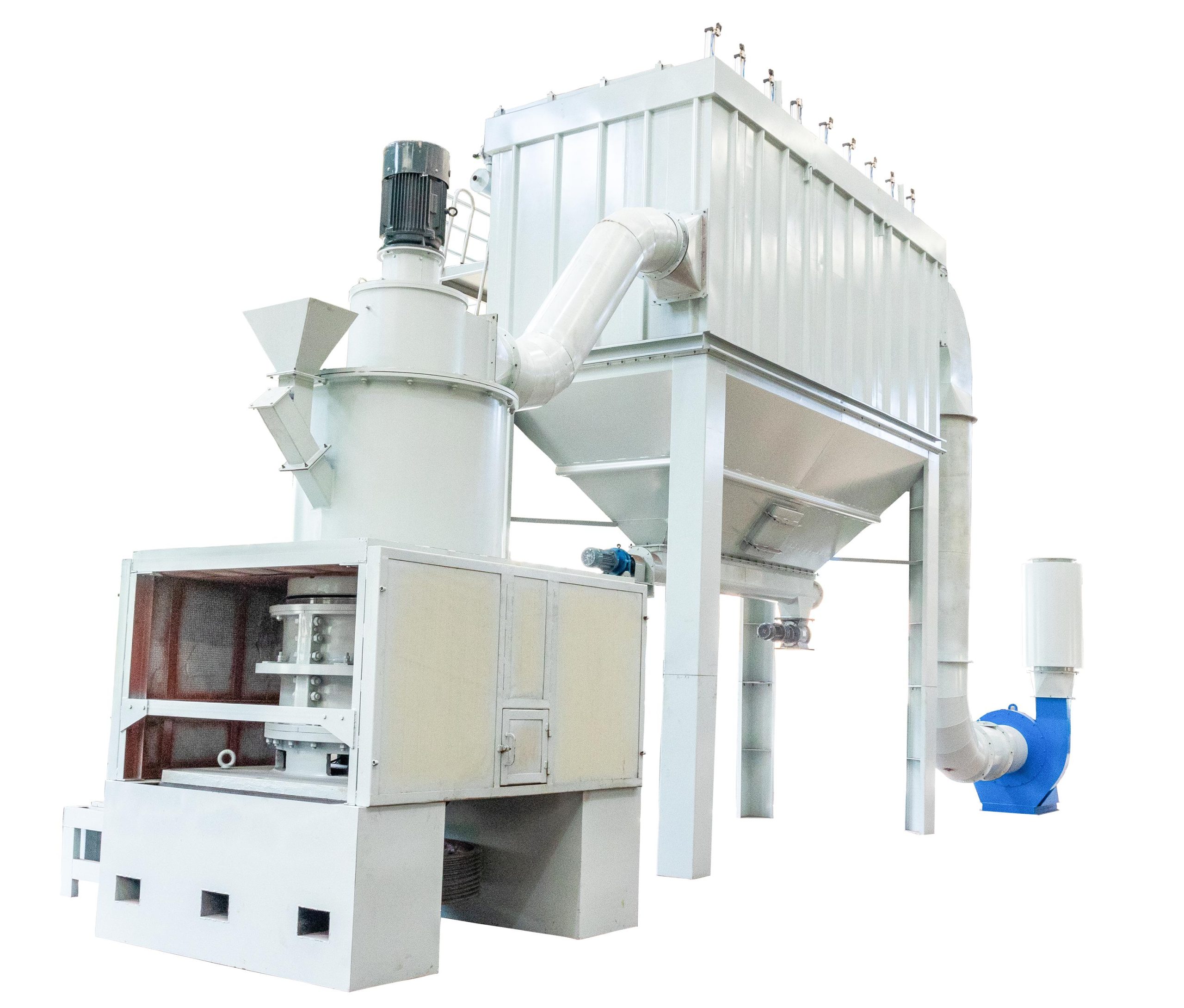
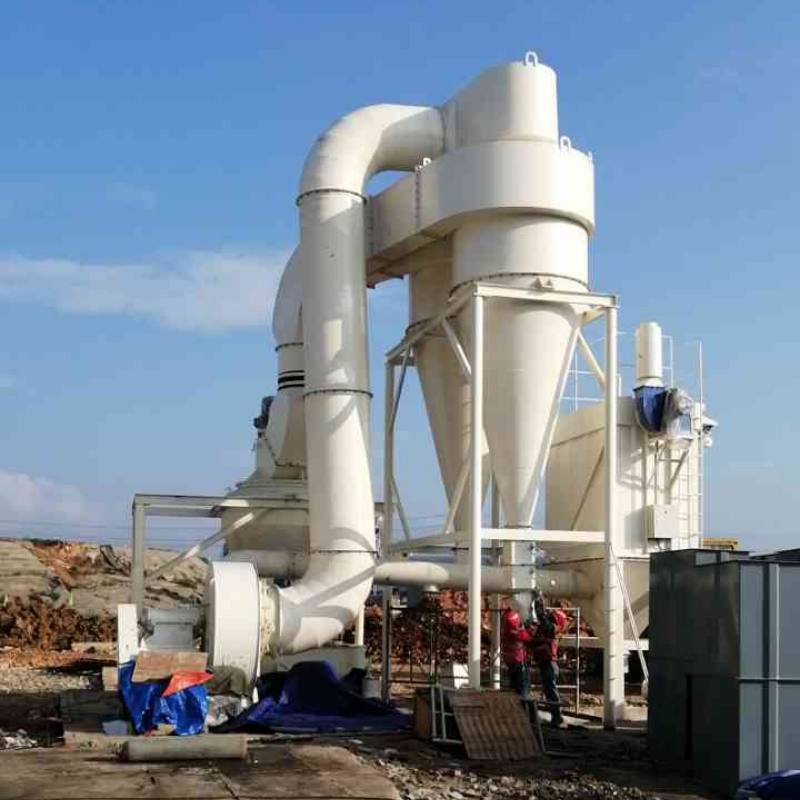
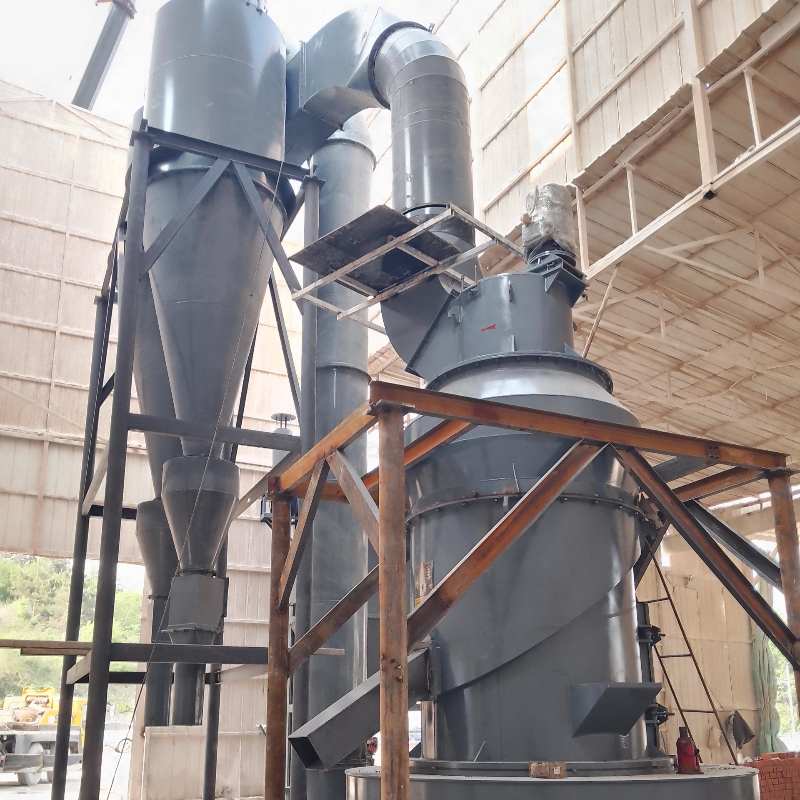
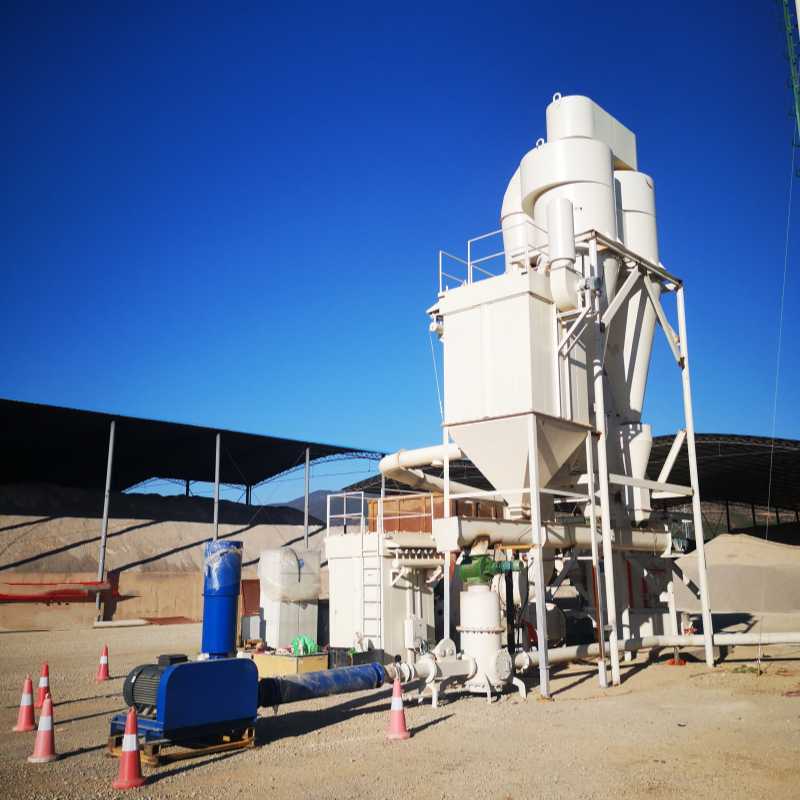
Complete supporting modules (bucket elevator, vibrating feeder, classifier, dust collector) are fully mature. The closed-loop airflow design drastically reduces fugitive dust, meeting modern environmental emission standards easily.
Mandatory Upgrades for SiC-Grade Raymond Mills
A stock, unmodified Raymond mill cannot run stably for SiC processing. The following targeted upgrades are non-negotiable to extend service life and ensure product quality:
High-Wear-Resistant Grinding Roller & Ring (Most Critical)
As the core load-bearing and grinding components, rollers and rings bear direct impact and abrasive friction. For SiC applications, replace standard manganese steel parts with:
High-chromium alloy castings (best cost-performance)
Welded hardfacing overlay on working surfaces
Ceramic composite lining (ultra-long service life for high-purity SiC)
Reinforced Main Machine Structure & Force Tuning
Optimize roller pressure curves and rotational speed to reduce peak impact load on the main shaft and bearing housing, while retaining sufficient extrusion force to fracture brittle SiC crystals efficiently.
High-Precision Turbo Classifier
SiC end products (structural ceramics, catalyst supports) require narrow particle size distribution. A high-precision turbo classifier eliminates oversize particles in finished powder and avoids energy waste caused by over-grinding fine materials.
Enhanced Sealing & Lubrication System
Fine SiC dust has strong permeability. Upgrade bearing and gearbox sealing grades, and shorten lubricant replacement intervals to prevent abrasive particle infiltration that causes premature bearing failure.
Standardized Dust Removal Configuration
SiC dust is non-combustible inorganic powder, but high concentration will pollute the workshop and block heat dissipation components. Equip with cyclone collectors + pulse jet bag filters to keep dust emission within regulatory limits.
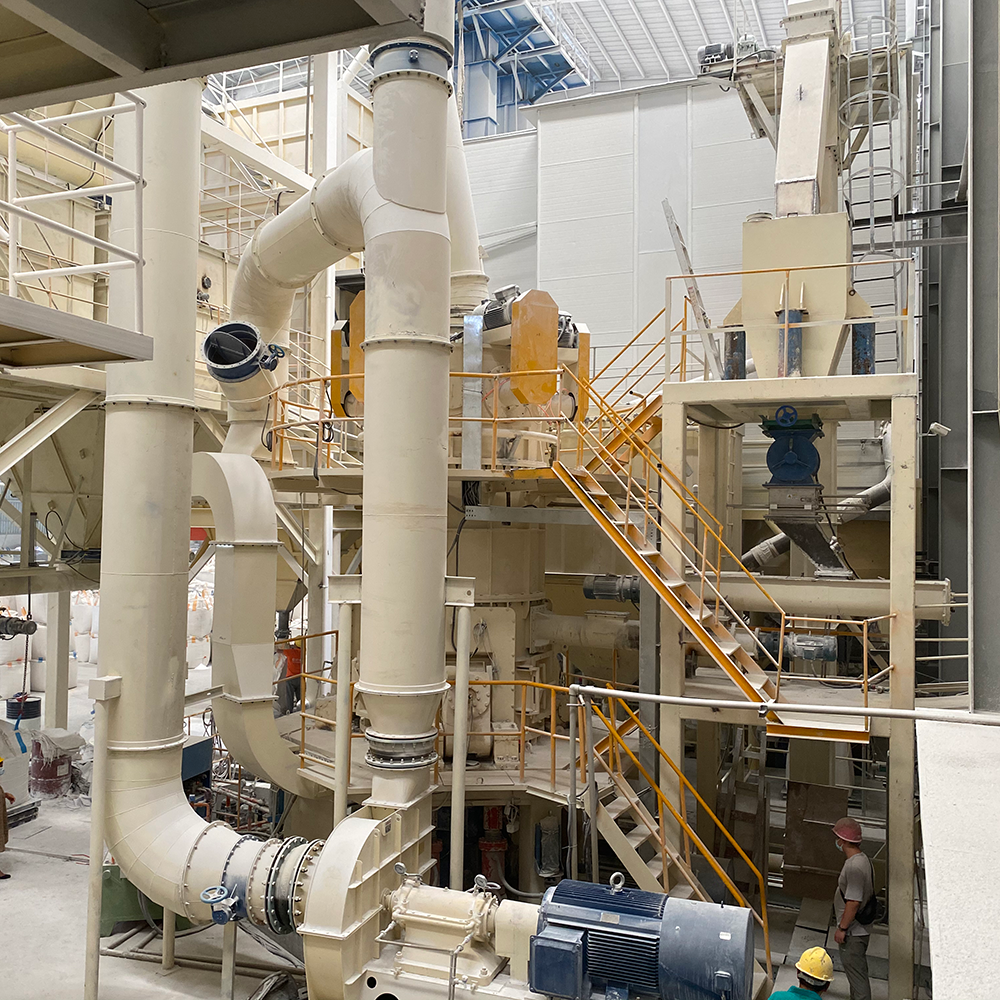
Standard SiC Processing Flow with Raymond Mill
The complete production line follows a linear, closed-loop workflow as below:
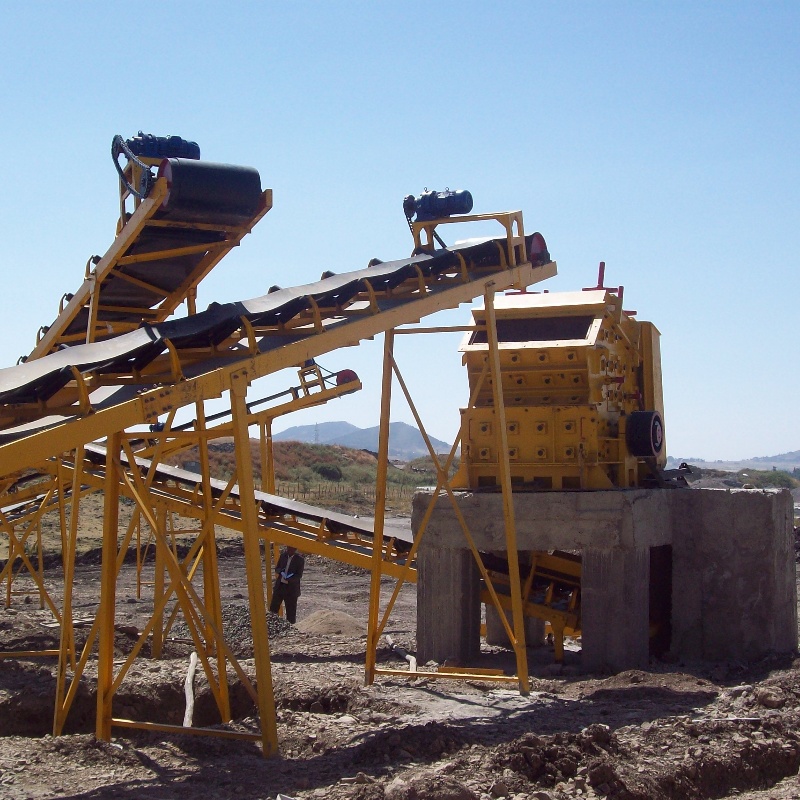
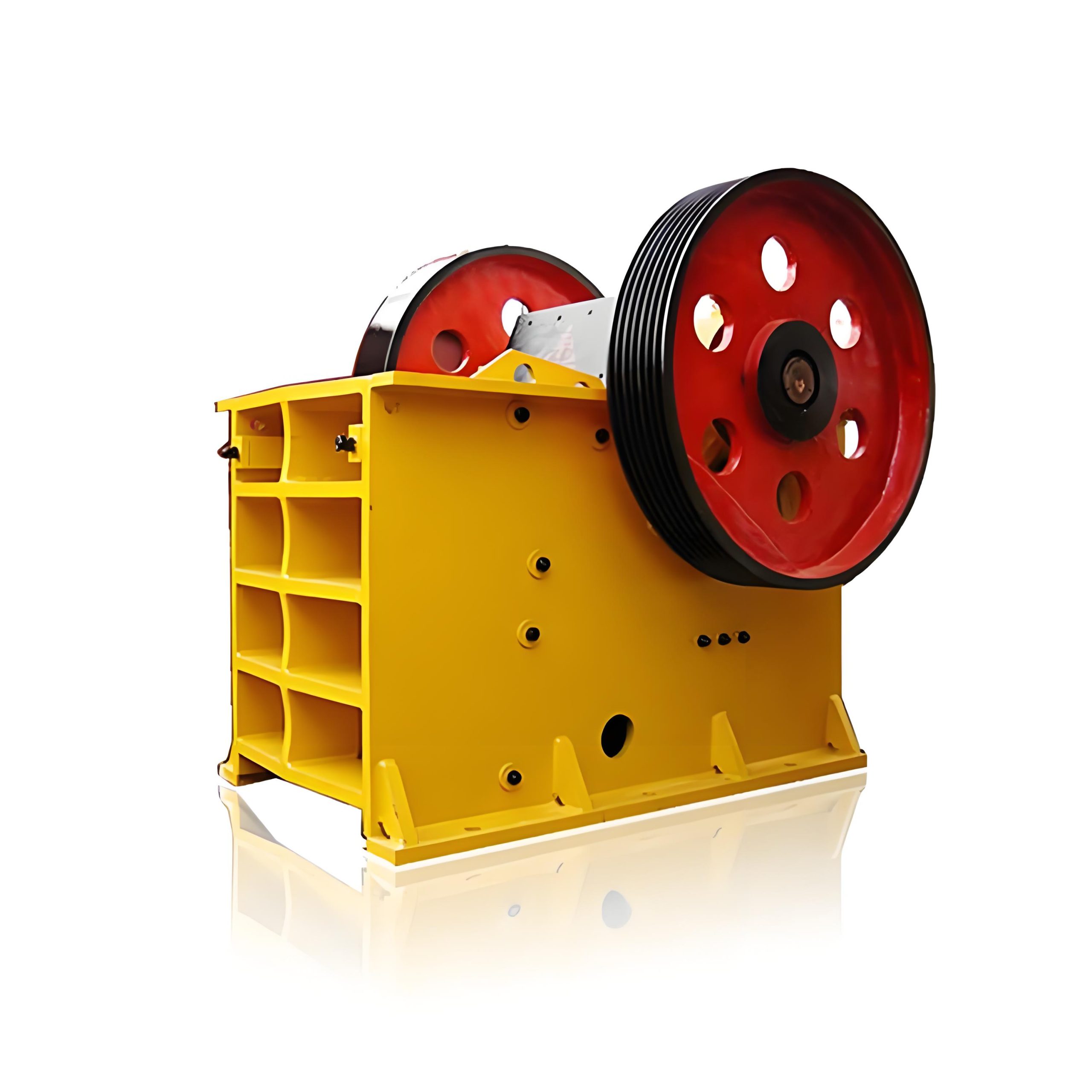
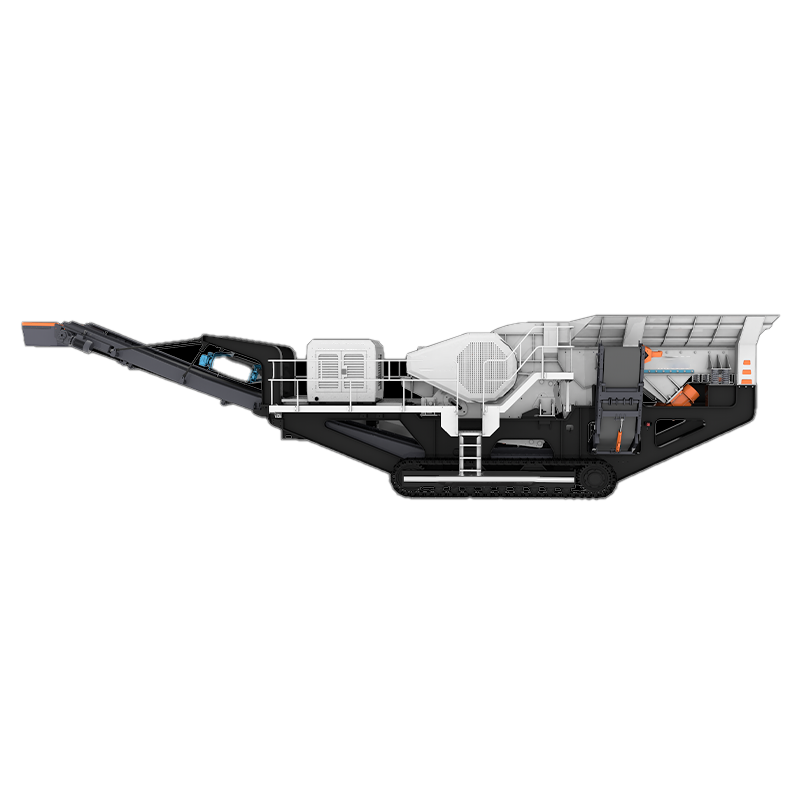
Primary Crushing: Bulk SiC blocks are crushed to feed size (15–30mm) via jaw crusher/roller crusher
Elevating & Feeding: Crushed material is transported to the storage hopper by bucket elevator, then evenly fed into the grinding chamber via quantitative vibrating feeder
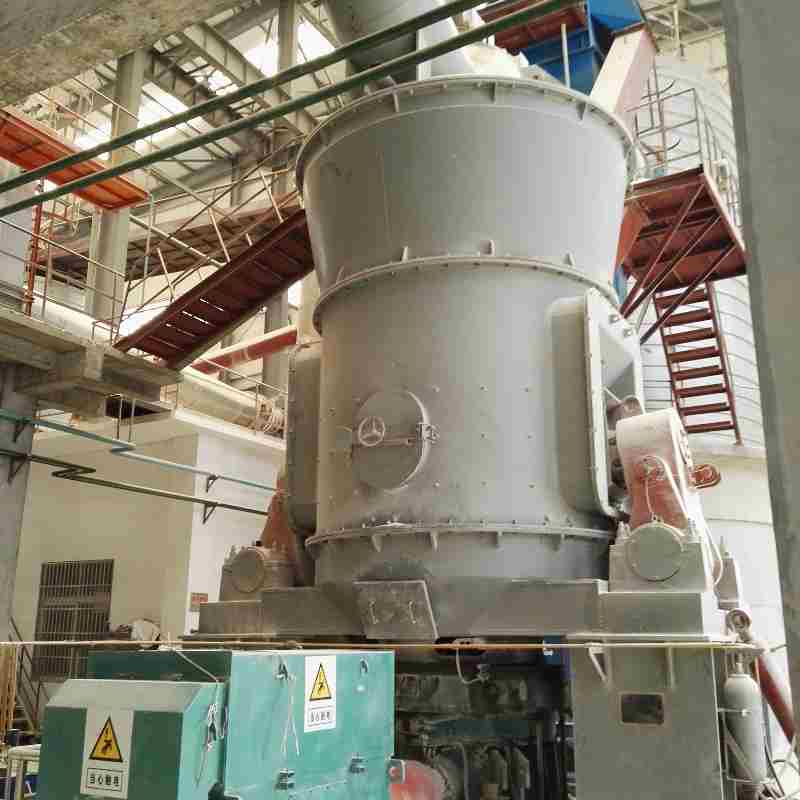
Main Grinding: Centrifugal force presses rollers tightly against the ring; SiC is pulverized via combined impact, extrusion and friction
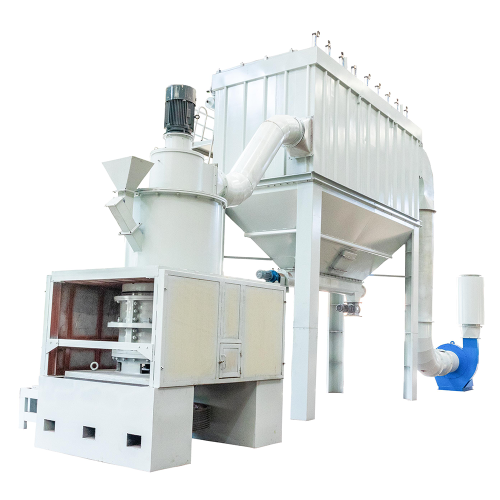
Air Classification: Qualified fine powder is carried upward by airflow into the classifier; oversize particles are screened out and returned to the grinding chamber for reprocessing
Collection & Dedusting: Finished powder is collected by cyclone separator; residual dusty air is purified by pulse bag filter before exhaust, complying with environmental standards
Industrial Applications of Raymond-Milled SiC Powder
Application scenarios are strictly divided by finished powder fineness:
Abrasive Products: Grinding wheels, waterproof sandpaper, polishing compounds (traditional core application)
High-Temp Refractories: Additives for refractory bricks, ceramic crucibles and kiln furniture, leveraging excellent thermal stability
Composite Reinforcement: Reinforcing filler for metal matrix/ceramic matrix composites and lightweight armor plates
Catalyst Supports: High-specific-surface-area SiC powder for hydrocarbon oxidation reaction carriers
Conclusion
Silicon carbide’s extreme hardness and abrasiveness make it far more challenging to grind than conventional non-metallic minerals. Standard Raymond mills cannot meet production demands, buttarget-upgraded Raymond mill systems provide an unbeatable balance of output, energy efficiency and operational cost for 80–325 mesh SiC powder production.