Project Background
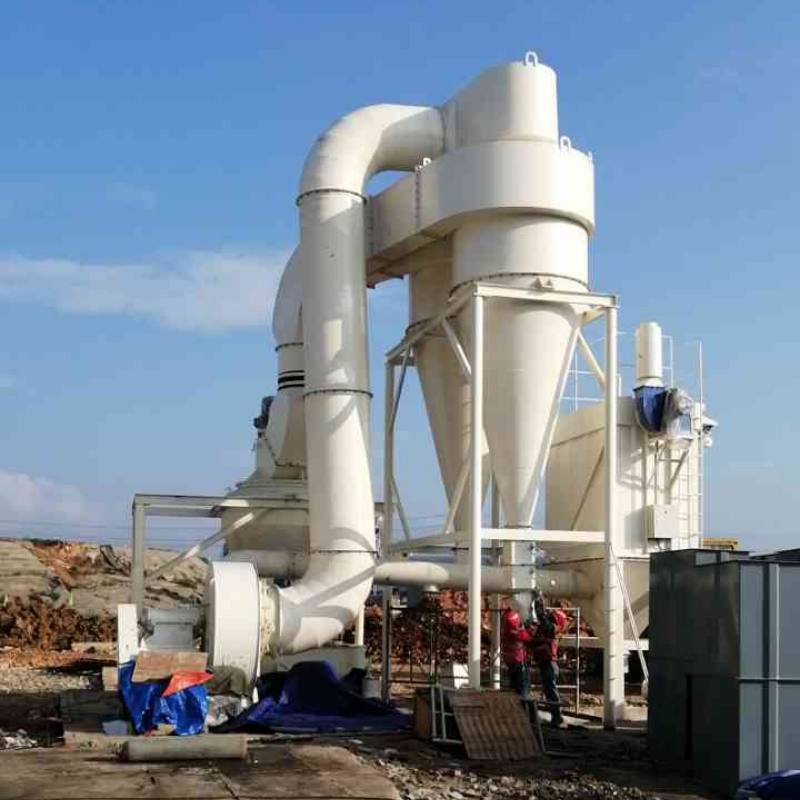
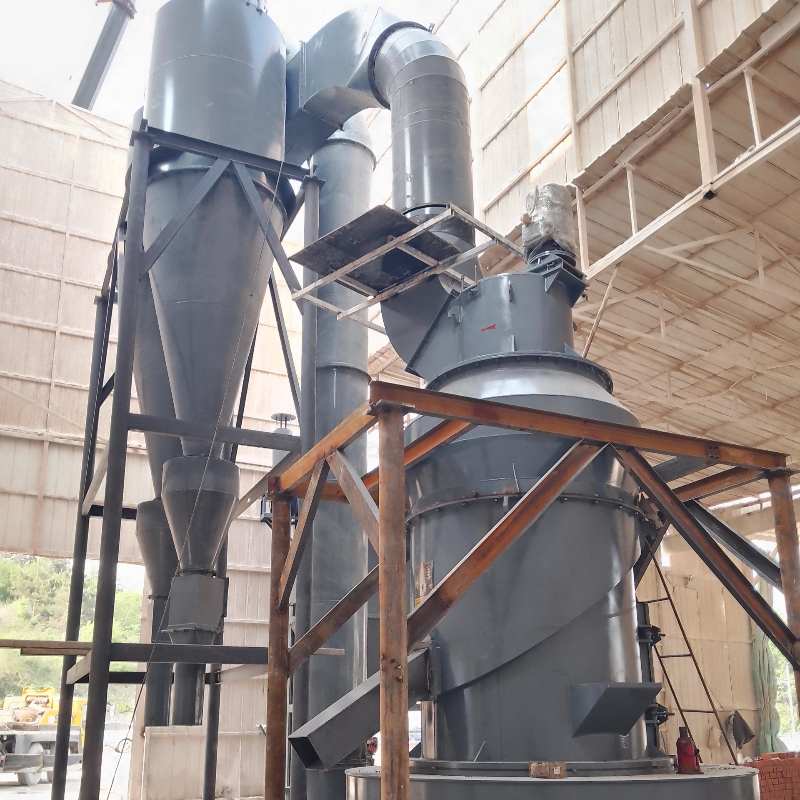
Yunnan boasts abundant mineral resources, with its limestone reserves ranking among the top nationwide. As a primary raw material for manufactured sand, limestone processing yields substantial profits, drawing numerous sand and aggregate manufacturers to set up operations. Hundreds of limestone crushing plants have been built across the province.
During equipment selection, the client inspected and compared multiple domestic mining machinery manufacturers extensively. Ultimately, they chose Cronus out of recognition for the brand’s comprehensive strength and technical support. Two years of on-site operation have proven that this 500–600 tons-per-hour limestone crushing line has delivered steady and remarkable economic benefits to the plant.
Raw Material & Finished Product Specifications
- Raw material hardness: Soft
- Feed size: ≤700 mm
- Finished product gradations: 0–5 mm, 5–10 mm, 10–20 mm, 20–30 mm
Solution Design & Equipment Configuration
Limestone is mainly composed of calcium carbonate (CaCO₃) with a Mohs hardness of approximately 3, classifying it as easily crushable medium-low hardness ore. Its ore grade generally meets the standards for all types of industrial applications.
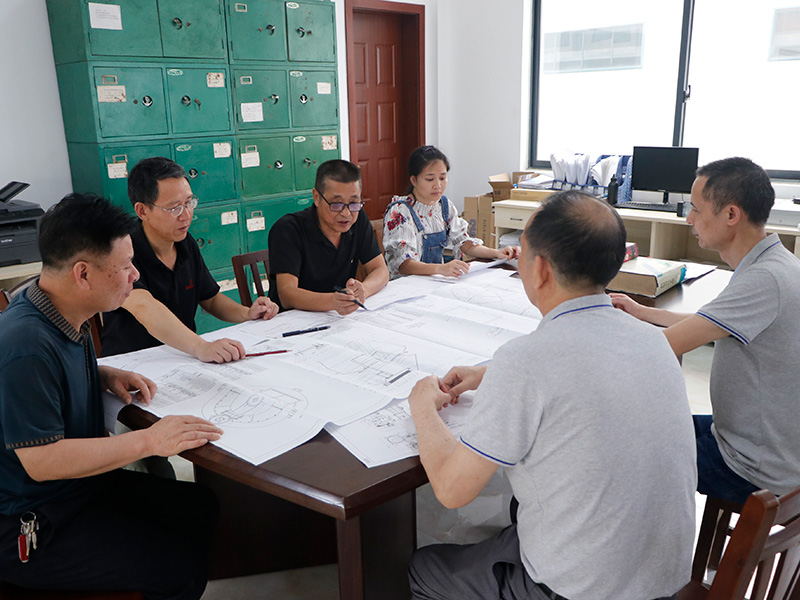
Tailored to Mr. Zhang, a dry crushing process scheme was developed based on the ore’s characteristics, the client’s output target, site terrain conditions and finished aggregate grading requirements. This solution ensures high production capacity while keeping capital investment under control.
Technological Process
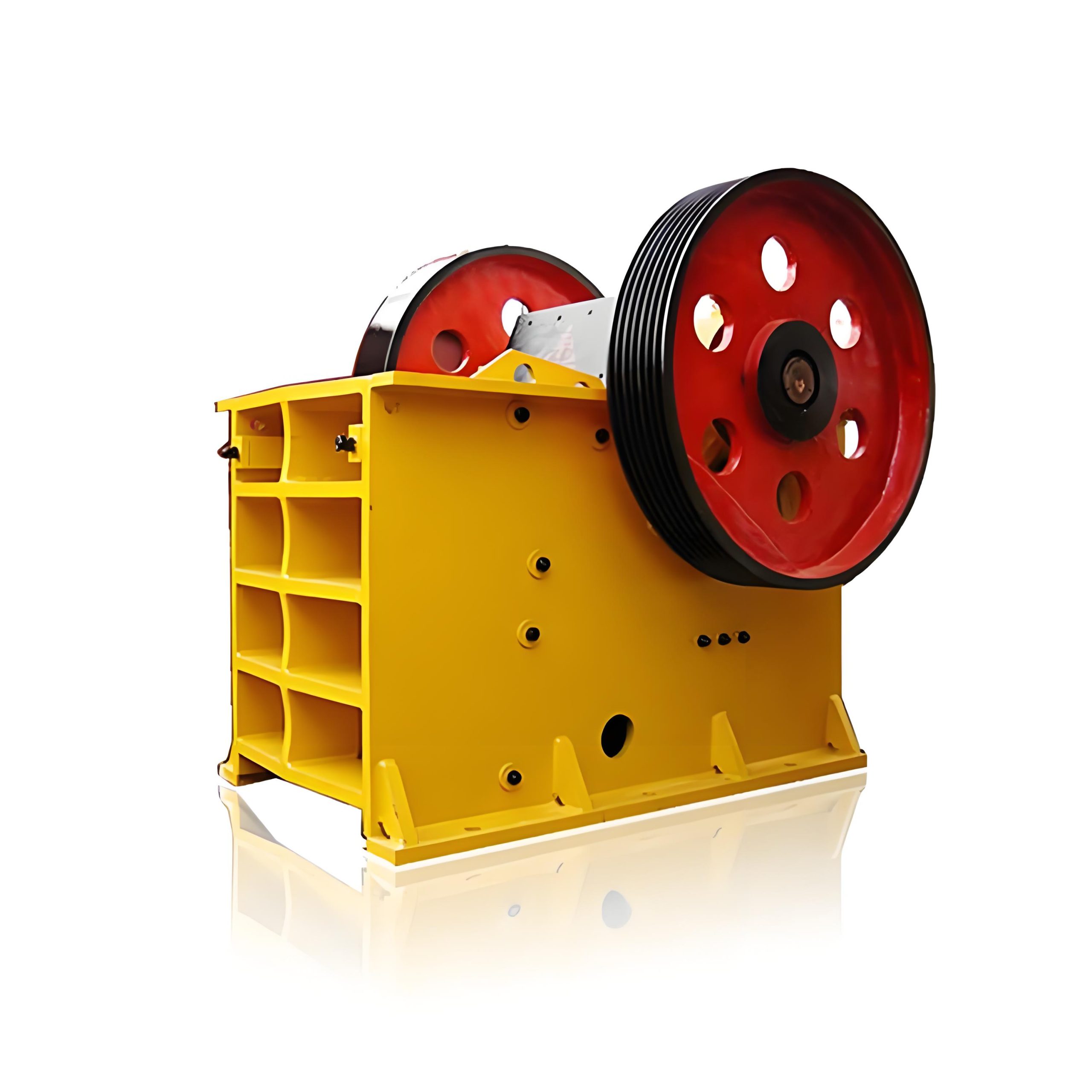
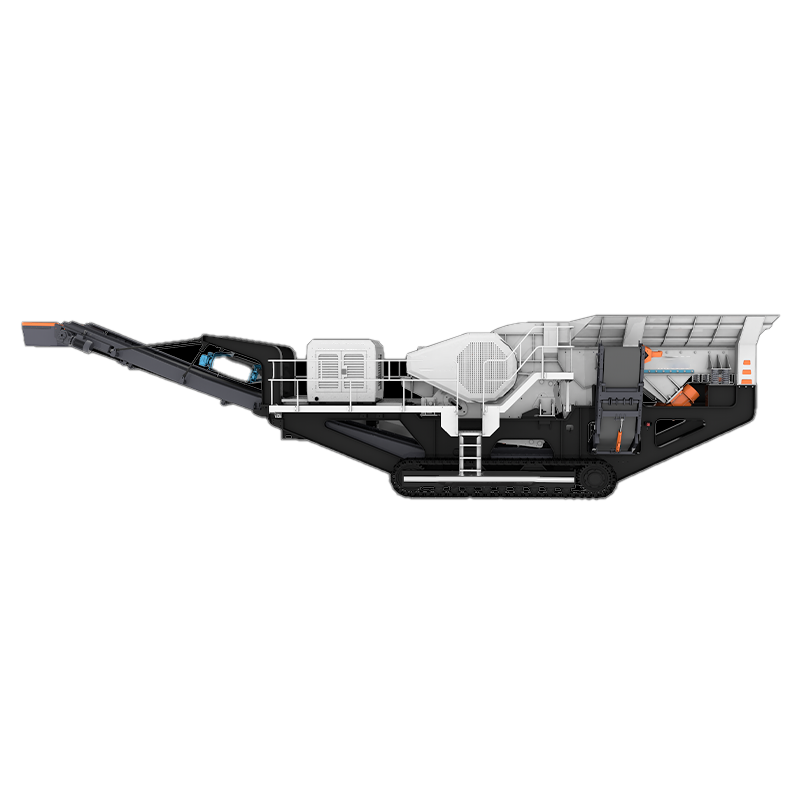
Large lumps of limestone are unloaded from the silo onto a vibrating feeder for uniform, continuous feeding, then conveyed to a jaw crusher for primary crushing, with discharge particle size controlled between 100 mm and 200 mm.
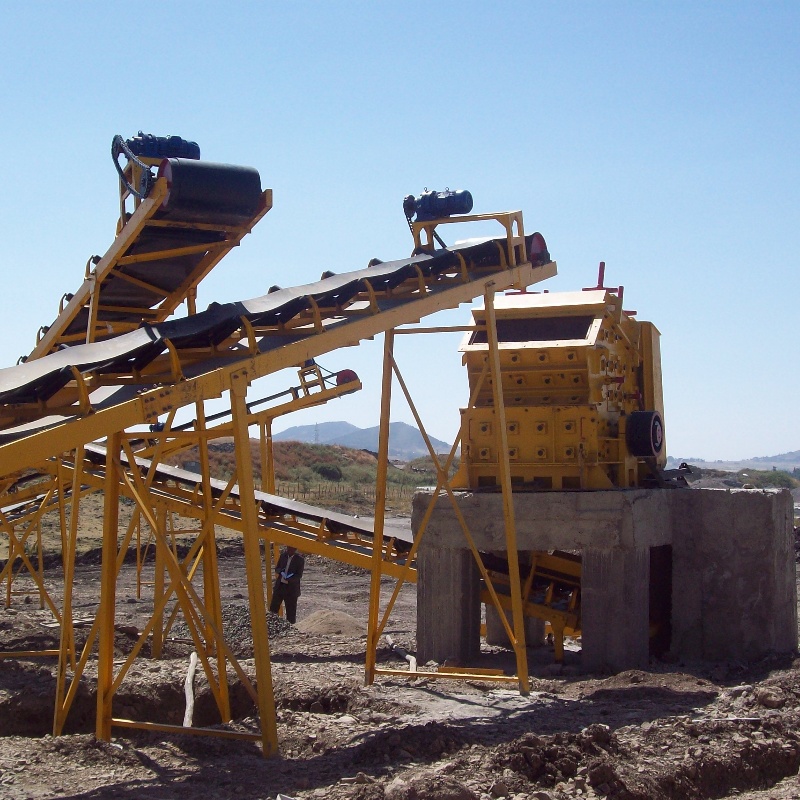
Belt conveyors transport the crushed material to an impact crusher for secondary and fine crushing, producing material sized 1–30 mm. The output is then sent via conveyors to a circular vibrating screen for classification and screening.
After screening, materials failing to meet finished particle size standards are looped back to the impact crusher for re-crushing via belt conveyors, forming a closed-circuit circulation system. Qualified finished aggregates are stockpiled collectively or directly loaded onto trucks for delivery to construction sites.
The entire production line adopts a two-stage crushing workflow: jaw crusher for primary crushing + impact crusher for secondary & fine crushing. Featuring compact layout and seamless material transfer, this mature configuration is widely applied for processing medium-low hardness ores such as limestone.
Project Advantages
1. Site-adaptive Layout, Land Space Saving
Equipped with the two-stage crushing setup of jaw primary crushing and impact secondary-fine crushing, the production line is laid out rationally by leveraging the natural height difference of the site terrain. This layout significantly reduces the floor space occupied by the line and cuts civil engineering investment costs substantially.
2. Dry Process Production, Eco-friendly Operation
The production line is equipped with complete dust removal, noise reduction and other environmental protection accessories. Emission indicators including dust concentration and noise level all comply with national standards, enabling smooth environmental impact assessment approval and balancing economic returns with environmental protection.
Featuring high throughput and outstanding crushing efficiency, the line produces manufactured aggregates with excellent particle shape, well-proportioned grading and adjustable fineness modulus. Widely recognized by downstream buyers in the market, the finished aggregates command an average selling price of roughly 120 RMB per ton, generating ample profit margins for the sand and aggregate plant.
Client Testimonial
Over the two years since commissioning, the production line has maintained stable operation with all environmental indicators meeting regulatory standards. The client commented that seamless full-cycle services were provided throughout the whole project lifecycle — covering pre-sales equipment selection and customized solution design, equipment delivery, installation and operator training, as well as after-sales maintenance support. The comprehensive services helped the plant get fully operational quickly and sustain consistent stable production.