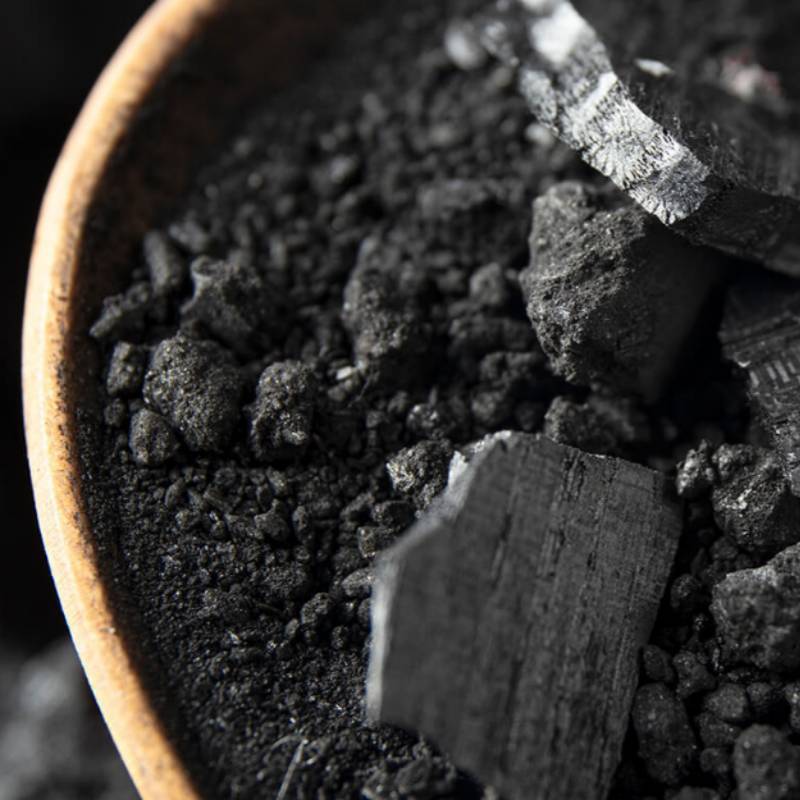
Industrial Value of Carbon Black Grinding
Carbon black is a core functional filler for rubber reinforcement, conductive plastics, lithium-ion battery electrodes and high-end inks, with a global annual consumption exceeding 15 million tons. Virgin carbon black and pyrolysis recovered carbon black (rCB) must undergo precision grinding to meet strict particle size specifications before application, so as to fully exert its reinforcing performance, electrical conductivity and tinting strength.
Drawing on years of experience in mineral and industrial powder processing, Cronus Grinding Mills have adapted mature Raymond mill and vertical mill technologies to the field of carbon black grinding, providing customers with one-stop solutions ranging from standalone equipment to complete production lines.
Core Parameter Targets: The D97 particle size of finished carbon black products is generally required to be between 5–150 μm (approximately 100–2500 mesh), with significant variations across different applications. All models of Cronus grinding mills cover a fineness range from 80 mesh to 2500 mesh, capable of meeting diverse grade requirements for rubber, batteries, inks and other products.
Core Advantages of Cronus
Energy Saving and Consumption Reduction by 30–40%
Combined action of centrifugal compression of grinding rollers and material bed formed by shovels cuts energy consumption by 30% to 40% compared with traditional ball mills, delivering prominent advantages in unit power consumption cost.
Precise and Adjustable Fineness
Equipped with built-in turbo classifiers, the product fineness can be steplessly adjusted within 80–2500 mesh. The pass rate of 325-mesh sieve reaches over 95% with uniform particle size distribution.
Small Footprint
The vertical main unit features a compact structure. With the same production capacity, its floor area is reduced by more than 50% versus ball mills, making it ideal for renovation and expansion projects.
High Cost Performance
The procurement cost of Raymond mills is only one-third of that of vertical mills, serving as the preferred cost-effective solution for small and medium-sized carbon black processing projects.
Full-cycle Service Support
We provide full lifecycle services including model selection consultation, grinding tests, on-site installation and commissioning, spare parts supply and remote technical support.
Carbon Black Grinding Model Selection Guide
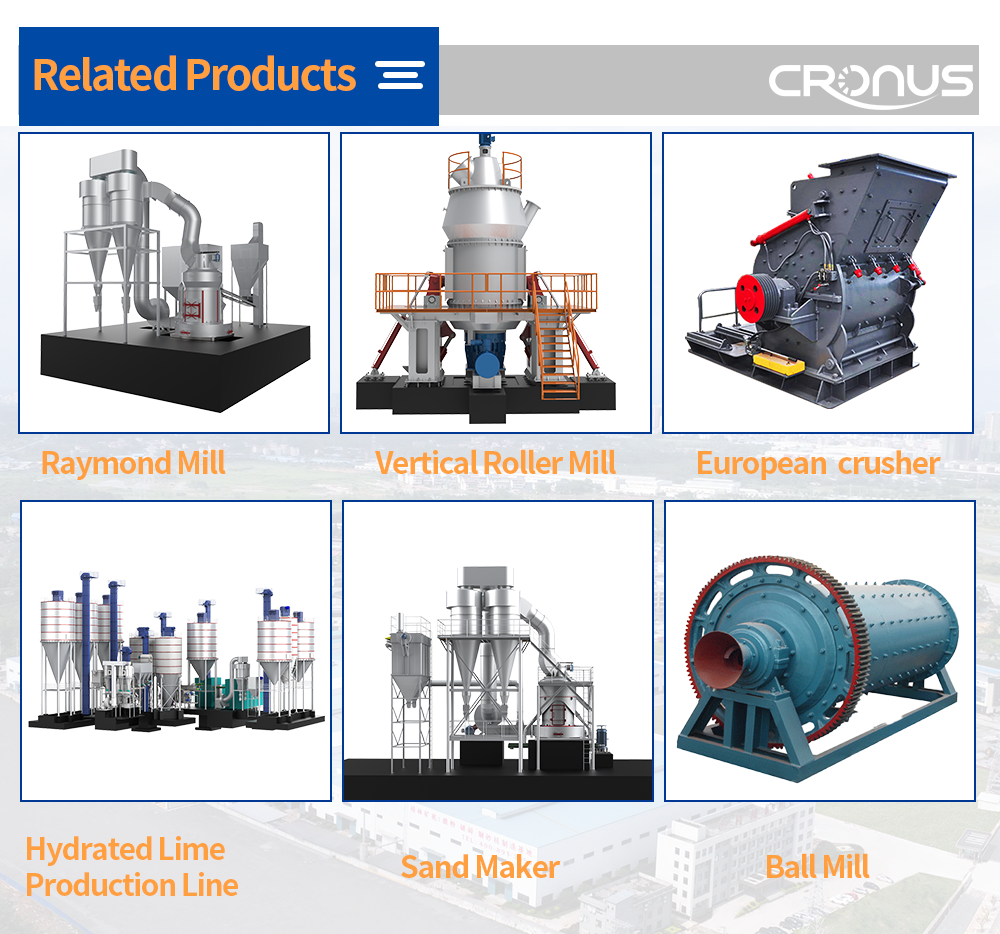
The selection of carbon black grinding mills shall take the following core indicators into comprehensive consideration:
| Model Series | Fineness Range | Applicable Production Scale | Typical Applications of Carbon Black |
|---|---|---|---|
| CRRM Raymond Mill Series | 80–600 mesh | Small and medium-sized projects | Rubber reinforcing filler, industrial carbon black |
| CRLM Vertical Mill Series | 80–600 mesh | Large complete production lines | Main unit for carbon black production lines, rCB refining |
| CRLMX Ultra-fine Mill Series | 400–2500 mesh | High-end products | Battery-grade conductive carbon black, high-pigment inks |
| CRH Ring Roller Mill Series | 325–2500 mesh | Special fine powder products | Conductive masterbatch, functional coatings |
Application Industries & Typical Cases
Cronus grinding mills have accumulated abundant engineering cases in chemical, building materials, metallurgy, power and other industries. The application scenarios for carbon black grinding are as follows:
- Tire & Rubber Industry: CR series Raymond mills grind reinforcing-grade carbon black to 80–325 mesh, ensuring uniform dispersion in natural rubber and synthetic rubber. The energy consumption is about 35% lower than that of ball mills.
- Lithium-ion Batteries: CRLMX ultra-fine mills process conductive carbon black (such as Ketjen black) to above 400 mesh, complying with strict particle size distribution requirements for cathode and anode slurry preparation.
- Printing Inks & Coatings: High-pigment carbon black is ground into 2500-mesh ultra-fine powder by CRLMX mills, endowing inks with deep black tone and high hiding power.
- Conductive Plastics & Masterbatches: The ground carbon black is dispersed into polymer carriers to endow finished products with anti-static and anti-ultraviolet properties.
- Recovered Carbon Black (rCB) Refining: Vertical CRLM mills remove ash content from carbon black produced by tire pyrolysis, enabling the products to reach indicators close to virgin carbon black and facilitating circular economy development.
Carbon Black Grinding Process Flow of Cronus
Cronus provides complete powder grinding process systems for carbon black manufacturers. The standard workflow is as follows:
- Feeding Pre-treatment: Jaw crushers crush bulk carbon black to particle size ≤30 mm. Electromagnetic vibrating feeders deliver materials at a constant rate to ensure stable operation of the production line.
- Main Unit Grinding: Driven by centrifugal force, grinding rollers press tightly against the grinding ring to form a compression zone for extrusion and shear grinding of carbon black. The shovel system creates an even material bed to improve grinding efficiency.
- Airflow Classification: Ground powder is carried by airflow into the turbo classifier. Coarse particles fall back for re-grinding, while qualified fine powder passes through blade gaps and enters the collection system for accurate fineness control.
- Collection & Dust Removal: Cyclone collectors separate major carbon black powder. Pulse bag dust collectors purify exhaust gas, with dust emission concentration meeting environmental protection standards.
Maintenance Specifications for Carbon Black Grinding Mills
Check the wear condition of grinding rollers and rings every week and adjust roller pressure in a timely manner. Lubricate bearings on a monthly basis. Inspect classifier blades regularly and replace worn components promptly to guarantee stable product fineness. Cronus supplies original wear parts including grinding rollers, grinding rings and shovels to ensure long-term efficient operation of equipment.
FAQ