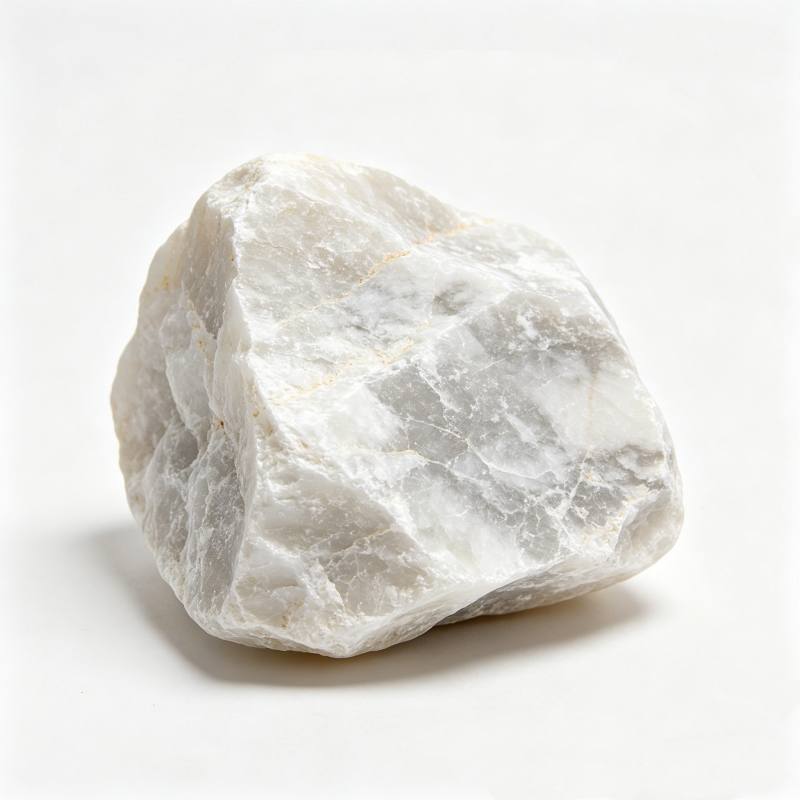
Common Types of Dolomite Grinding Mills
There are primarily three types of equipment available on the market to meet dolomite grinding requirements, each suited to specific application scenarios:
Raymond Mill
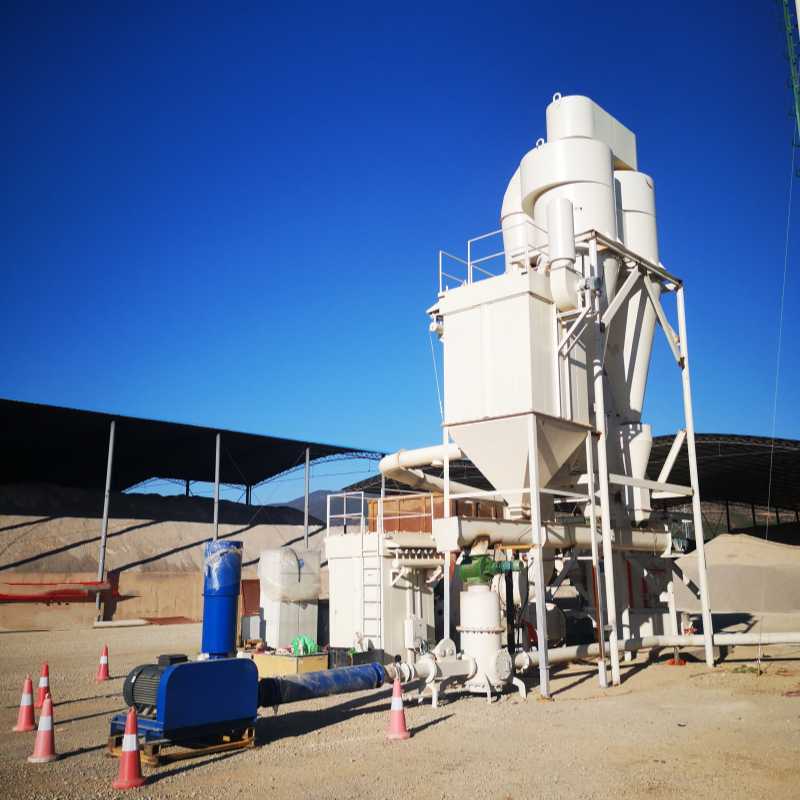
The preferred choice for small to medium-sized plants, offering excellent cost-effectiveness. It is suitable for small to medium-scale operations with limited budgets, producing finished products with a fineness ranging from 80 to 400 mesh (typically used in construction and as general-purpose fillers). Featuring mature technology, simple operation and maintenance, and low energy consumption, it is fully capable of handling the hardness of dolomite.
Key Parameters: Finished product fineness: 80–400 mesh; Hourly output: 0.3–35 tons/hour; Feed particle size: ≤15–40 mm.
Vertical Roller Mill
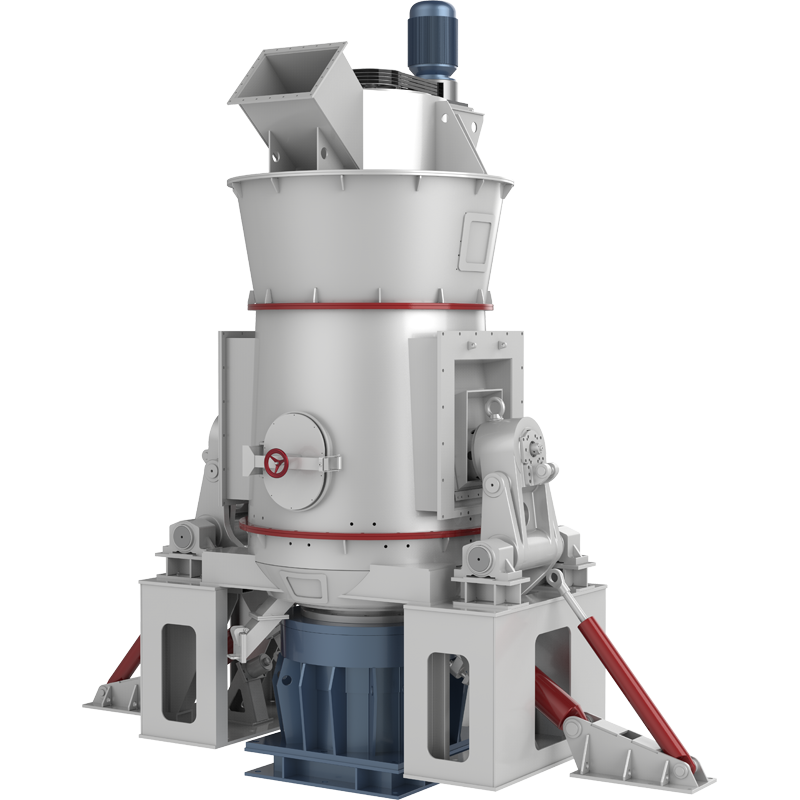
The preferred choice for large-scale industrial operations. It is ideal for medium to large-scale production environments requiring an hourly output of over 3 tons, as well as situations where high demands are placed on energy efficiency and automation. This mill boasts a high single-unit output, low energy consumption, and integrates multiple functions into a single machine. It occupies a small footprint, supports remote automatic control, and features strong drying capabilities. Key Parameters: Finished product fineness: 80–1250 mesh; Hourly output: 3–40+ tons/hour; Feed particle size: ≤20–40 mm.
Ring Roller Mill
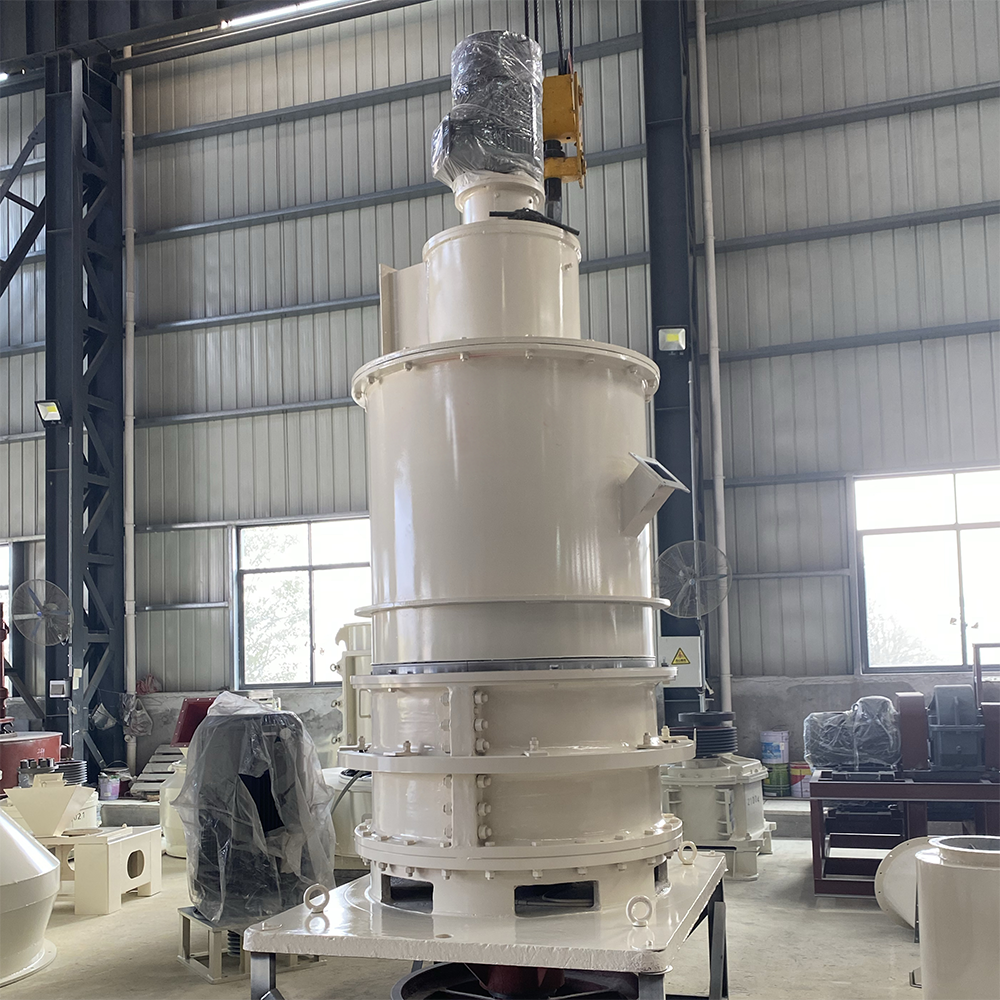
Dedicated to the production of ultrafine powders and the preferred choice for high-value-added applications. It produces finished products ranging from 325 to 2500 mesh (or even finer), typically used in sectors such as plastics and coatings. It delivers high grinding fineness, uniform particle size in the finished product, and stable operation. Key Parameters: Finished product fineness: 325–2500 mesh; Hourly output: 0.5–45 tons/hour; Feed particle size: ≤10 mm.
Key Considerations When Selecting a Dolomite Grinding Mill
Raw Material Characteristics
While dolomite is not particularly hard, it is crucial to ensure that the raw material's moisture content remains below 6%. During the rainy season, appropriate dewatering or drying measures should be implemented. Additionally, if the raw material contains hard impurities—such as quartz—it must be screened and removed prior to processing.
Comprehensive Manufacturer Strength
While equipment from small manufacturers may be inexpensive, technical support and after-sales service are often unreliable. It is highly recommended to prioritize established industry leaders with proven track records, such as Guilin Hongcheng, Guilin Mining Machinery, and Liming Heavy Industry.
Customized Solutions
Request that the manufacturer provide a detailed technical proposal and price quotation tailored to your specific requirements regarding fineness and output capacity. This ensures you select the correct model and avoid unnecessary financial waste. Wear Parts and Maintenance
Pay close attention to the materials, replacement cycles, and costs associated with wear parts; prioritize equipment featuring long-lasting wear parts that are easy to replace.
Summary
For small-to-medium scale operations, a fineness range of 80–400 mesh, and limited budgets, opt for a Raymond mill. For medium-to-large scale operations prioritizing high efficiency and energy conservation, choose a vertical mill. For ultra-fine powders and high-value-added products, select a ring-roller mill.