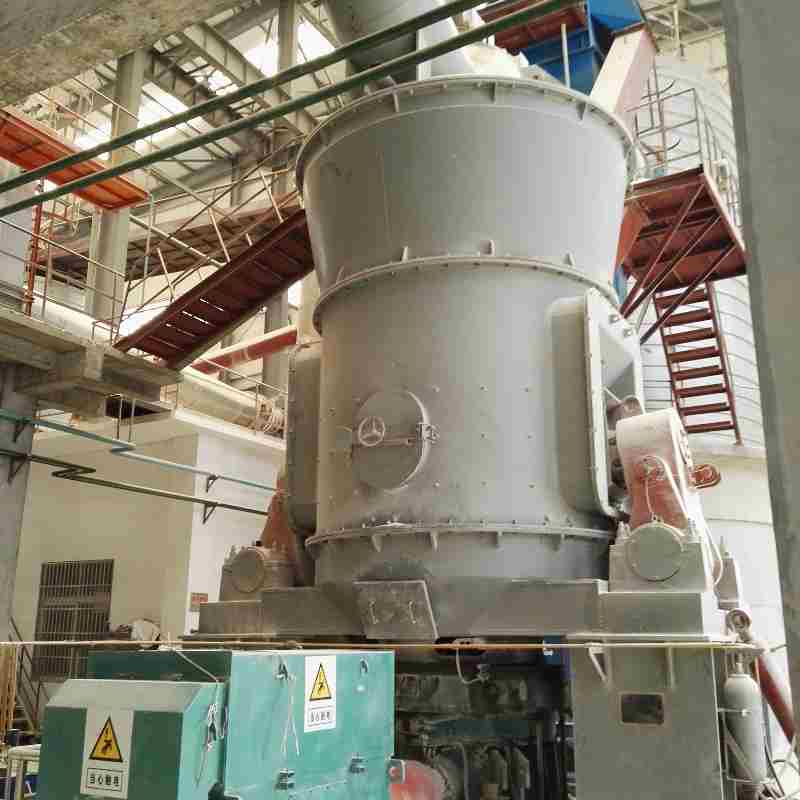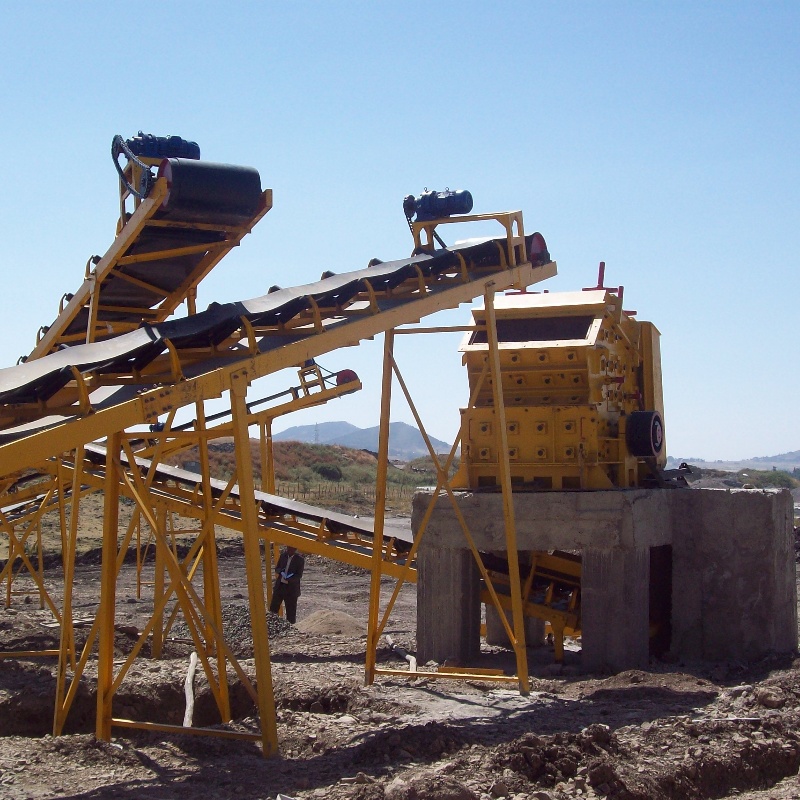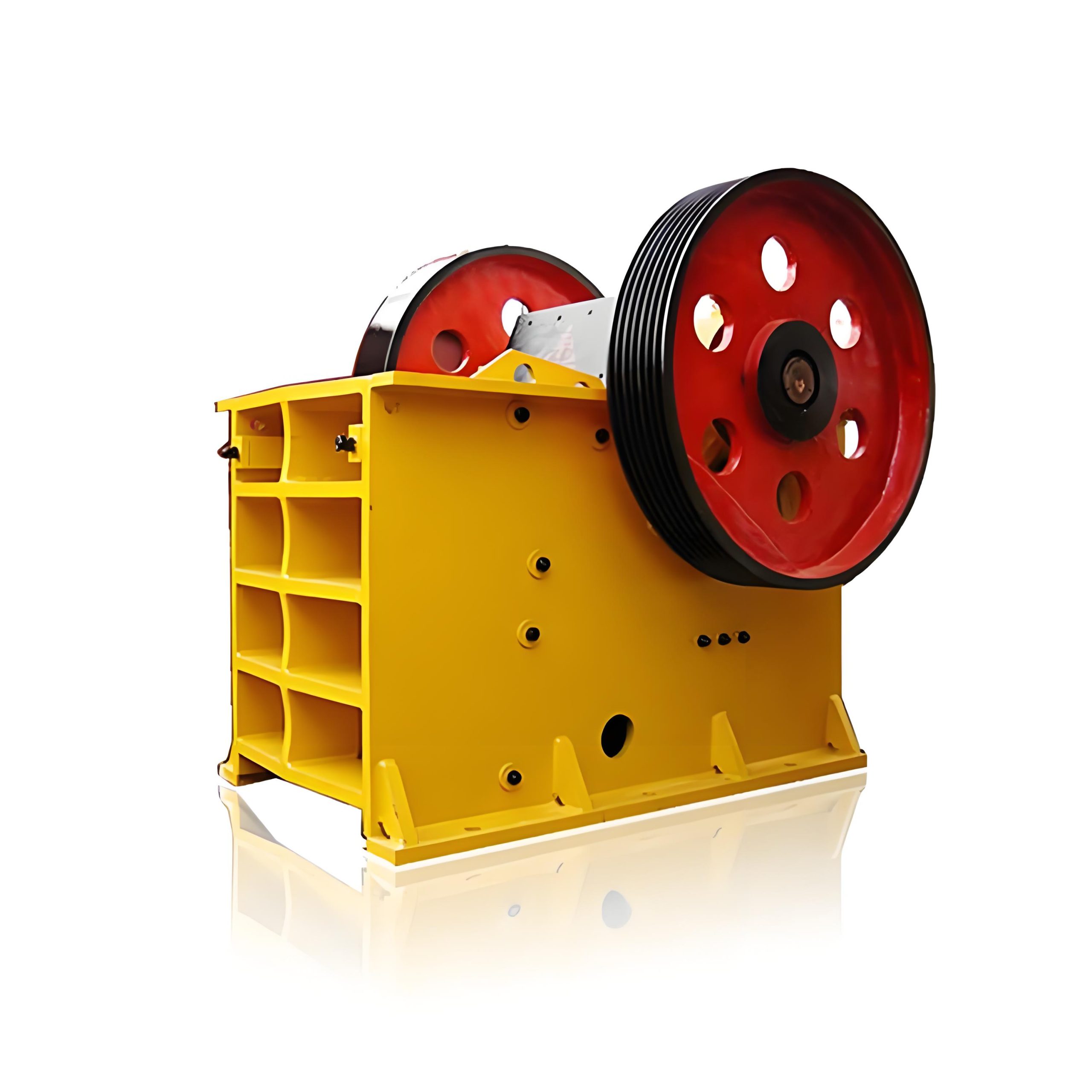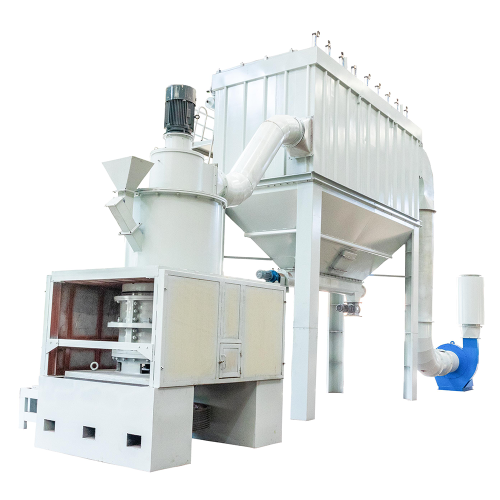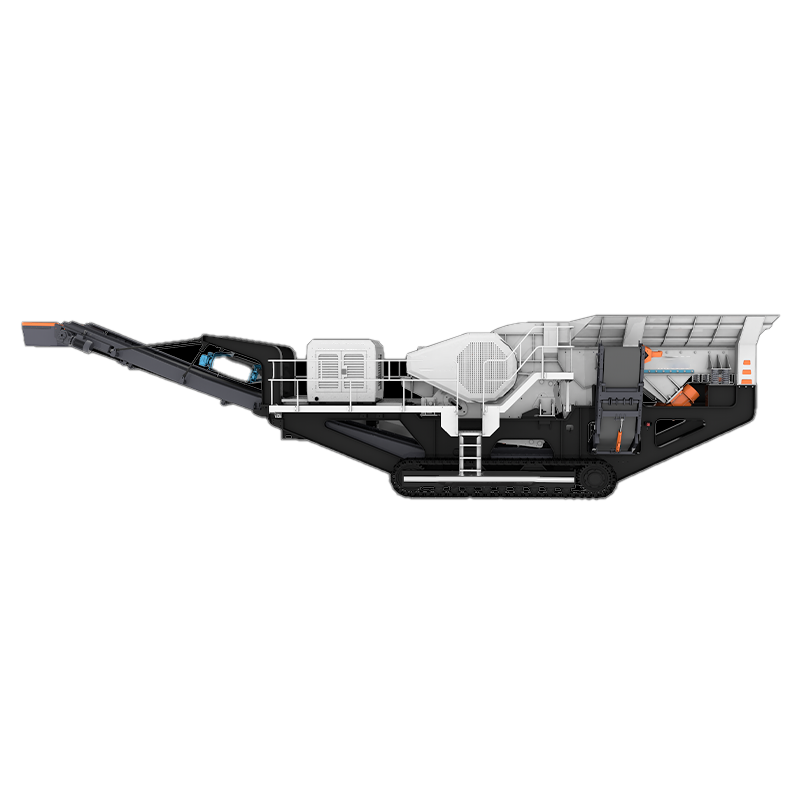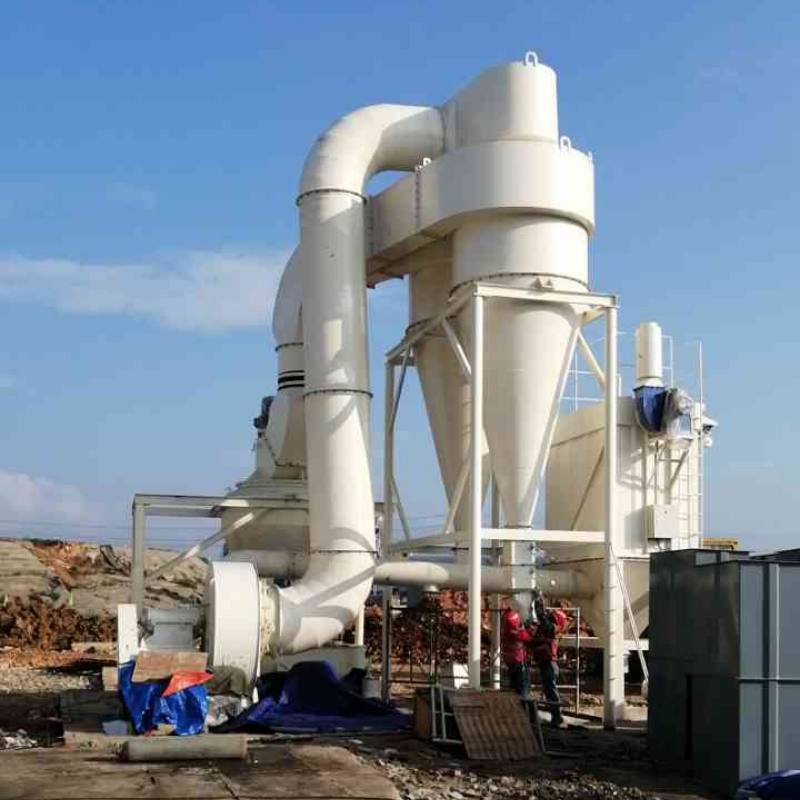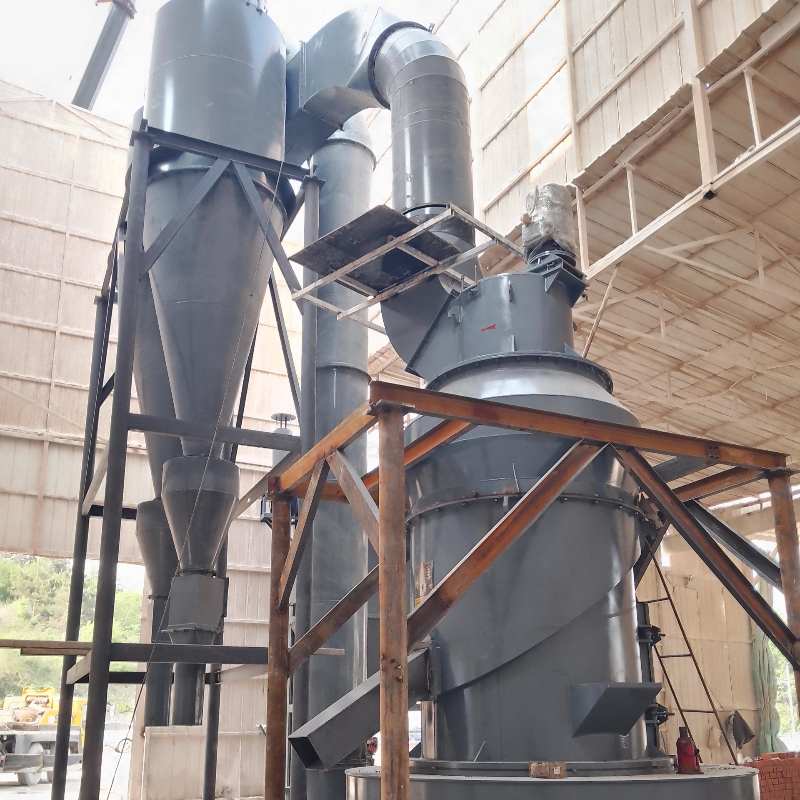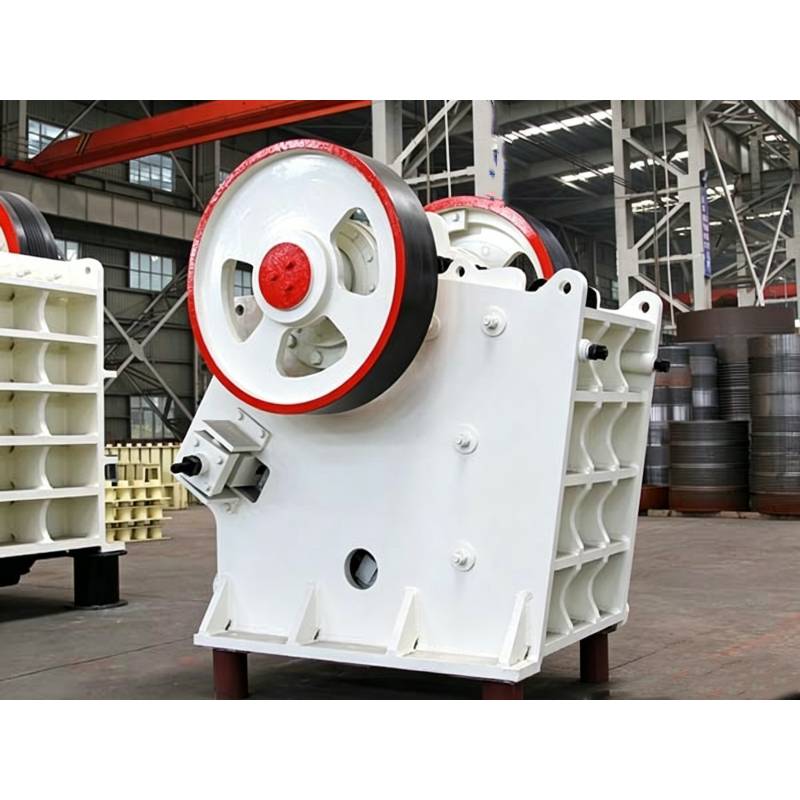
As a core piece of equipment in mining, quarrying, and building materials industries, the primary crusher's feeding method directly affects crushing efficiency and equipment service life. This article provides a comprehensive overview of feeding methods, equipment selection, and operating procedures for primary crushers.
1. Key Design Considerations for Primary Crusher Feed Hoppers
The capacity of a large crusher's feed hopper should be determined by considering factors such as the unloading method, the amount unloaded per trip, and the interval between unloading cycles. Typically, the effective storage capacity of a feed hopper ranges from 100 to 200 tons. A well-designed feed hopper capacity can effectively buffer material impact and ensure continuous, stable crusher operation.
In terms of protective design, since large crushers handle coarse feed sizes and heavy-impact materials during unloading, steel rails or thick steel plates should be laid on the rear wall, both sides, and the discharge opening of the feed hopper to prevent equipment damage. In addition, the feed hopper must have an appropriate shape and dimensions to effectively prevent material blockages or jamming inside the hopper, thereby reducing downtime risks and improving production efficiency.
2. Equipment Selection Recommendations for Primary Crusher Feeders
Proper feeder selection is essential for the stable operation of primary crushers. The choice of feeding equipment varies depending on the size of the crusher:
Large primary crushers are generally equipped with heavy-duty apron feeders installed beneath the feed hopper to meet high-flow, heavy-load feeding requirements. Medium and small primary crushers can use medium-duty apron feeders or large electromagnetic vibrating feeders to flexibly accommodate different operating conditions. Regardless of the type of feeder selected, its width should be no less than twice the maximum feed size of the crusher to ensure smooth material passage and prevent blockages.
When it comes to feeder selection, variable-frequency drive (VFD) apron feeders are strongly recommended. VFD apron feeders allow flexible adjustment of feed rates based on actual production needs, significantly improving the automation and control capabilities of the crushing system. When using an apron feeder, always ensure that a certain amount of material remains in the feed bin at all times. This prevents large lumps from directly impacting the chain plates, effectively reducing equipment wear and extending service life.
3. Operating Precautions for Primary Cone Crushers
Taking the primary cone crusher as an example, the following operating procedures must be strictly followed to ensure normal equipment operation and maximize service life.
Pre-Start Inspection: Check whether the lubrication system is functioning properly, confirm that there are no foreign objects in the cone crushing zone, adjust the belt tension, and tighten all bolts to ensure the equipment is in good standby condition.
Start-Up Sequence: Start the oil pump motor first and allow it to run for 5 to 10 minutes. After confirming that the lubrication system is operating normally, the main motor may then be started to avoid equipment damage caused by insufficient lubrication.
Precautions During Operation: The crusher should run unloaded for 1 to 2 minutes before feeding begins. Since gyratory crushers use a choke-feed method, close attention must be paid to whether feeding is uniform. Special care should be taken with ores that have high clay content or high moisture levels to prevent blockages at the feed opening. During operation, discharge conditions should be regularly inspected, and accumulation of ore in the space below the sealing device must be strictly prohibited to avoid disrupting normal equipment operation.
Shutdown Procedure: During a normal shutdown, feeding must be stopped first. Only after all ore inside the crusher has been fully discharged should the main motor be stopped, followed by the oil pump motor. After shutdown, a thorough inspection of all components must be carried out, and any issues found should be addressed promptly to keep the equipment in optimal working condition.
4、 Conclusion
The feeding method and operational protocols for primary crushers are critical factors in ensuring the efficient and stable operation of the crushing system. Proper design of the feed hopper, scientific selection of feeding equipment, and strict adherence to operating procedures not only effectively enhance crushing efficiency but also significantly extend equipment service life and reduce production and maintenance costs. Please contact Cronus for further information on primary crusher selection and configuration solutions.