Pyrophyllite Powder: Properties, Processing Methods, and Industrial Applications
Few industrial minerals occupy as quietly important a role as pyrophyllite. It lacks the celebrity of talc or the commercial buzz surrounding lithium minerals, yet manufacturers across ceramics, refractories, rubber, and specialty chemicals depend on it in ways that are difficult to substitute. Understanding what makes pyrophyllite powder valuable — and how it is properly processed — matters both to procurement professionals and to engineers designing high-performance formulations.
Related homepage: https://logicpros.net/
What Is Pyrophyllite?
Pyrophyllite is a naturally occurring hydrous aluminum silicate, with the chemical formula Al₂Si₄O₁₀(OH)₂. It belongs to the phyllosilicate family and shares structural similarities with talc, though it differs in both chemistry and performance characteristics. Its layered crystalline structure gives it a characteristic softness — typically rated between 1 and 2 on the Mohs hardness scale — along with a smooth, almost soapy texture when handled in bulk form.
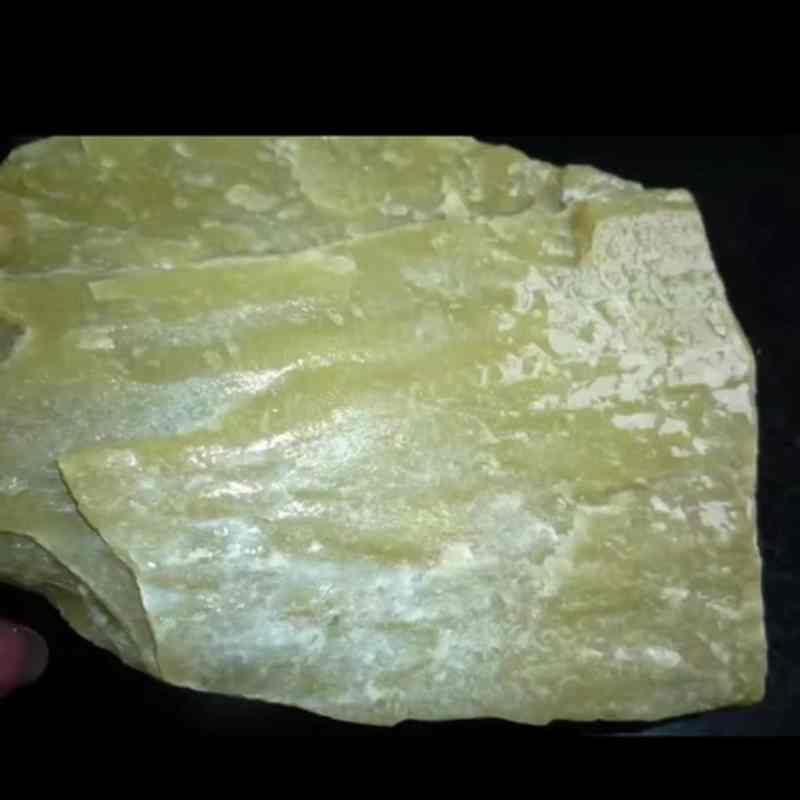
In its natural state, pyrophyllite occurs most commonly as compact masses or finely crystalline aggregates. Color varies depending on associated impurities: pure specimens tend toward white or pale gray, while iron contamination introduces green, yellow-green, or brownish hues. High-purity deposits, particularly those used in ceramics and electronics applications, are specifically selected and beneficiated to maintain consistent brightness and chemical composition.
The mineral's specific gravity typically falls between 2.65 and 2.90, and it exhibits excellent thermal stability. Unlike many silicates, pyrophyllite undergoes relatively little expansion or contraction when subjected to elevated firing temperatures. This thermal inertness is one of the central reasons it has found such enduring use in technical ceramics and refractory products.
Why Particle Size Matters
When pyrophyllite leaves the mine as raw ore, it holds none of the functional value it will eventually deliver to manufacturers. That value is unlocked through grinding — reducing the mineral to a controlled particle size that allows it to blend uniformly into ceramic bodies, rubber compounds, paint formulations, or agricultural products.
The target fineness varies considerably by application. Ceramic manufacturers often specify 200 to 325 mesh material, which provides good dispersion within clay bodies while maintaining the thermal properties that make pyrophyllite useful. Finer fractions — 600 mesh and beyond, sometimes reaching into the low-micron range — are required for paint, plastics, and electronic-grade materials, where surface smoothness and opacity depend on extremely tight particle distribution.
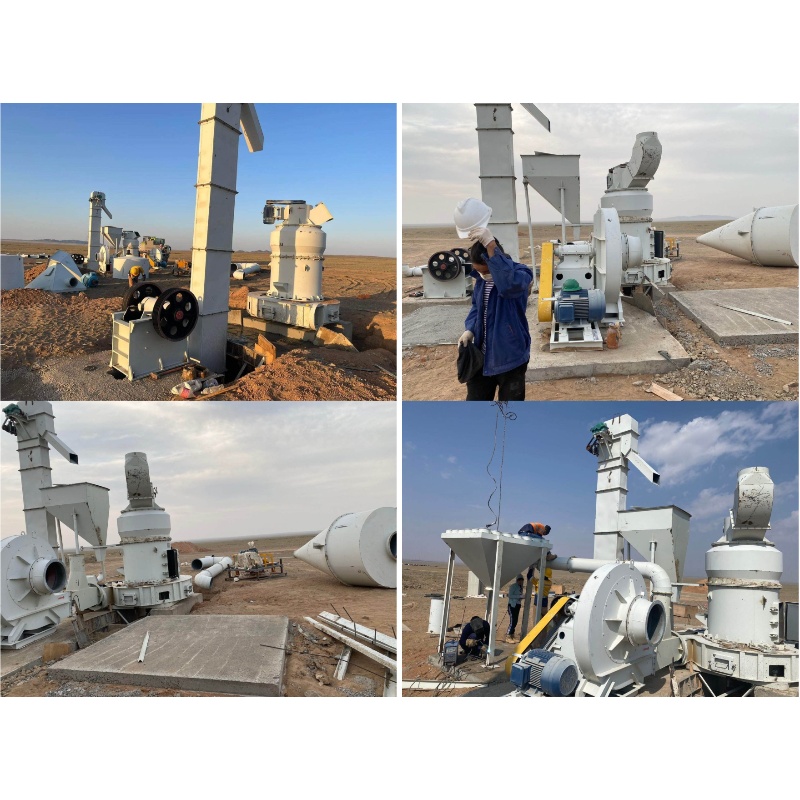
Achieving these specifications demands more than simply running ore through a crusher. Professional powder processing requires grinding equipment capable of consistent output, adjustable fineness, and stable operation across extended production runs. The choice of mill type significantly affects both the particle morphology and the energy cost per ton of finished product.
Processing Equipment for Pyrophyllite Powder
Raymond mills have long been the workhouse of mineral powder production for materials in the 80 to 400 mesh range. Their pendulum roller design applies consistent grinding pressure against a rotating ring, producing material with a relatively narrow size distribution and predictable throughput. For pyrophyllite, where the moderate hardness means that wear rates remain manageable, a well-maintained Raymond mill can operate for years with predictable consumable costs.
Vertical roller mills extend the accessible fineness range and improve energy efficiency compared to Raymond designs. By combining grinding, classification, and drying into a single operational unit, they reduce the footprint required for a complete processing line and allow operators to adjust output fineness without stopping production. For facilities handling pyrophyllite destined for multiple markets — ceramic-grade and paint-grade material produced from the same ore source — this flexibility has real commercial value.
Superfine ring roller mills push into particle ranges below 20 microns, reaching specifications that standard Raymond equipment cannot achieve. These ultrafine fractions command premium pricing and serve demanding applications in specialty coatings, high-performance ceramics, and certain pharmaceutical-adjacent industrial uses where surface area and particle geometry directly affect product performance.
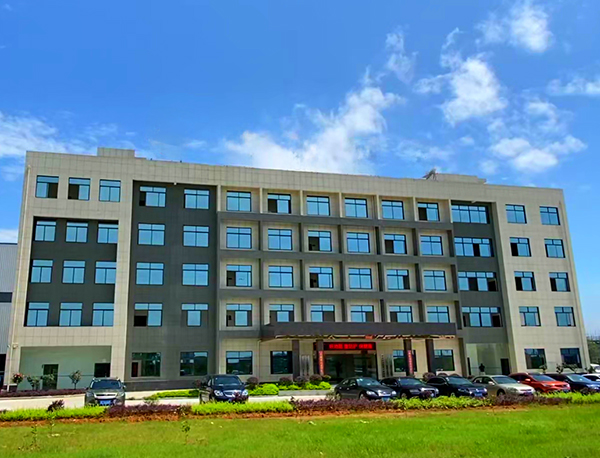
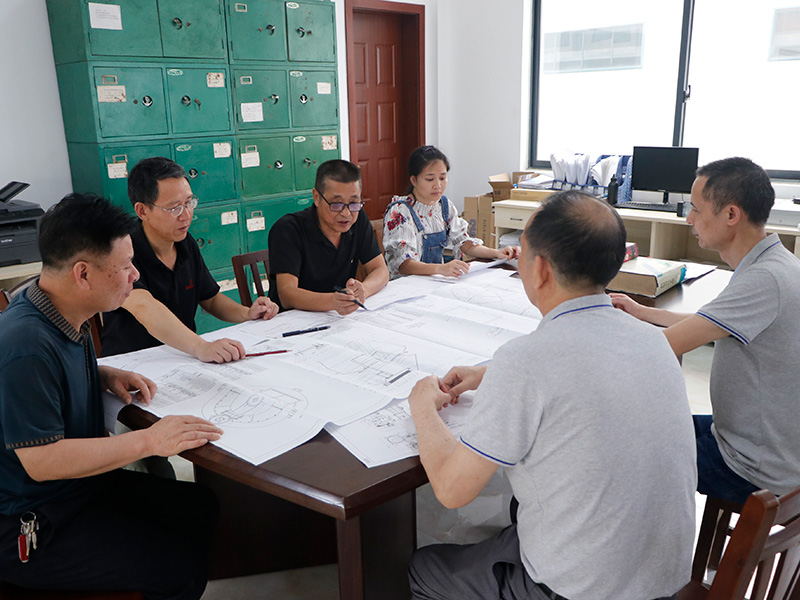
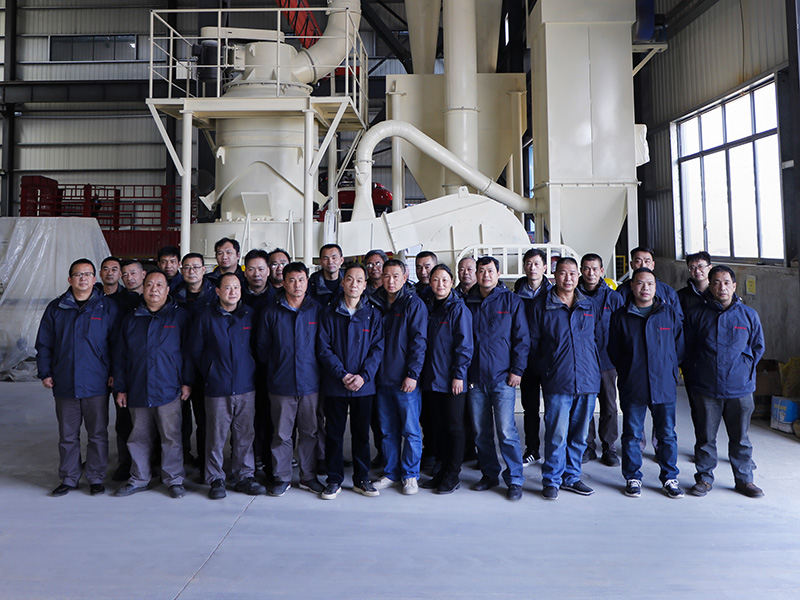
Cronus, operating under the Guilin Mining Machinery heritage that dates to 1973, manufactures all three of these equipment categories. The company's engineering experience across decades of domestic and international mineral processing projects means that its equipment configurations account for the specific challenges that pyrophyllite presents: moderate hardness paired with a tendency to absorb moisture, variable feed size depending on mining method, and the need for classification systems that can reliably hold tight mesh specifications across a full production shift.
Industrial Applications of Pyrophyllite Powder
Ceramics and Refractories
The ceramics industry consumes the largest share of processed pyrophyllite globally. When incorporated into porcelain and stoneware bodies, pyrophyllite reduces thermal expansion during firing, which in turn reduces warping and cracking. It allows faster firing cycles — a meaningful operational advantage in high-volume whiteware production — and contributes to dimensional stability in the finished piece.
In refractory applications, pyrophyllite's behavior under heat distinguishes it clearly from talc: it does not flux at high temperatures, meaning it retains structural integrity rather than softening. Kiln furniture, electrical insulators, and fire-resistant construction products all benefit from this characteristic.
Paints and Coatings
Pyrophyllite powder functions as an extender pigment in architectural and industrial coatings. Its platelet-like particle morphology contributes to film build and improves barrier properties, while its chemical inertness means it does not react with other formulation components over time. In exterior coatings, the mineral's low oil absorption helps manufacturers maintain workable viscosities without excessive binder loading.
Rubber and Plastics
As a functional filler, pyrophyllite powder improves dimensional stability and reduces material cost without significant penalty to mechanical properties. Its surface chemistry allows reasonable dispersion in both natural and synthetic rubber matrices, and its low moisture content — important in rubber processing, where water causes surface defects — makes it a practical choice for manufacturers running tight quality specifications.
Pesticides and Agricultural Products
Finely ground pyrophyllite serves as a carrier and diluent in powder-form pesticide formulations. Its inert chemistry does not interact with active ingredients, its flowability aids uniform application, and its softness means it does not abrade equipment surfaces during mixing and packaging. Agricultural dusting applications demand material that flows freely and coats surfaces evenly, requirements that pyrophyllite powder meets reliably.
Glass and Electronics
In glass manufacturing, pyrophyllite provides a source of alumina that integrates more gradually into the melt than synthetic alumina compounds, giving formulators a degree of control over alumina uptake that supports consistent optical properties. In certain electronic substrate applications, the mineral's high dielectric strength and thermal stability make it suitable for components that must perform reliably across temperature cycles.
Sourcing and Quality Considerations
Not all pyrophyllite deposits are equivalent, and not all processing operations deliver consistent product. Buyers specifying pyrophyllite powder for technical applications typically evaluate several parameters: whiteness or brightness (measured by reflectance), chemical purity (particularly iron and titanium content, which affect color and electrical properties), moisture content, particle size distribution, and mesh-passing percentage.
Reliable suppliers characterize their product against these parameters with batch-level documentation rather than relying on general-grade descriptions. Processing equipment plays a role here too — mills that maintain stable classification over extended runs produce material with lower variability between batches, which matters considerably to ceramic manufacturers running automated forming lines where unexpected changes in raw material fineness translate directly to production losses.
Conclusion
Pyrophyllite powder is not a glamorous material, but it is a dependable one. Its combination of thermal stability, chemical inertness, mechanical softness, and platelet particle geometry makes it useful across a wide industrial range, from refractories that must survive continuous high-temperature exposure to exterior paints that must hold up through years of weather cycling.
The quality of finished pyrophyllite powder reflects both the quality of the ore deposit and the precision of the grinding and classification process. For manufacturers who depend on consistent performance from their raw materials, working with equipment suppliers and processors who understand the specific demands of phyllosilicate minerals is not a minor detail — it is part of the foundation that makes reliable production possible.